What is Automatic Number Plate Recognition (ANPR/ALPR)?
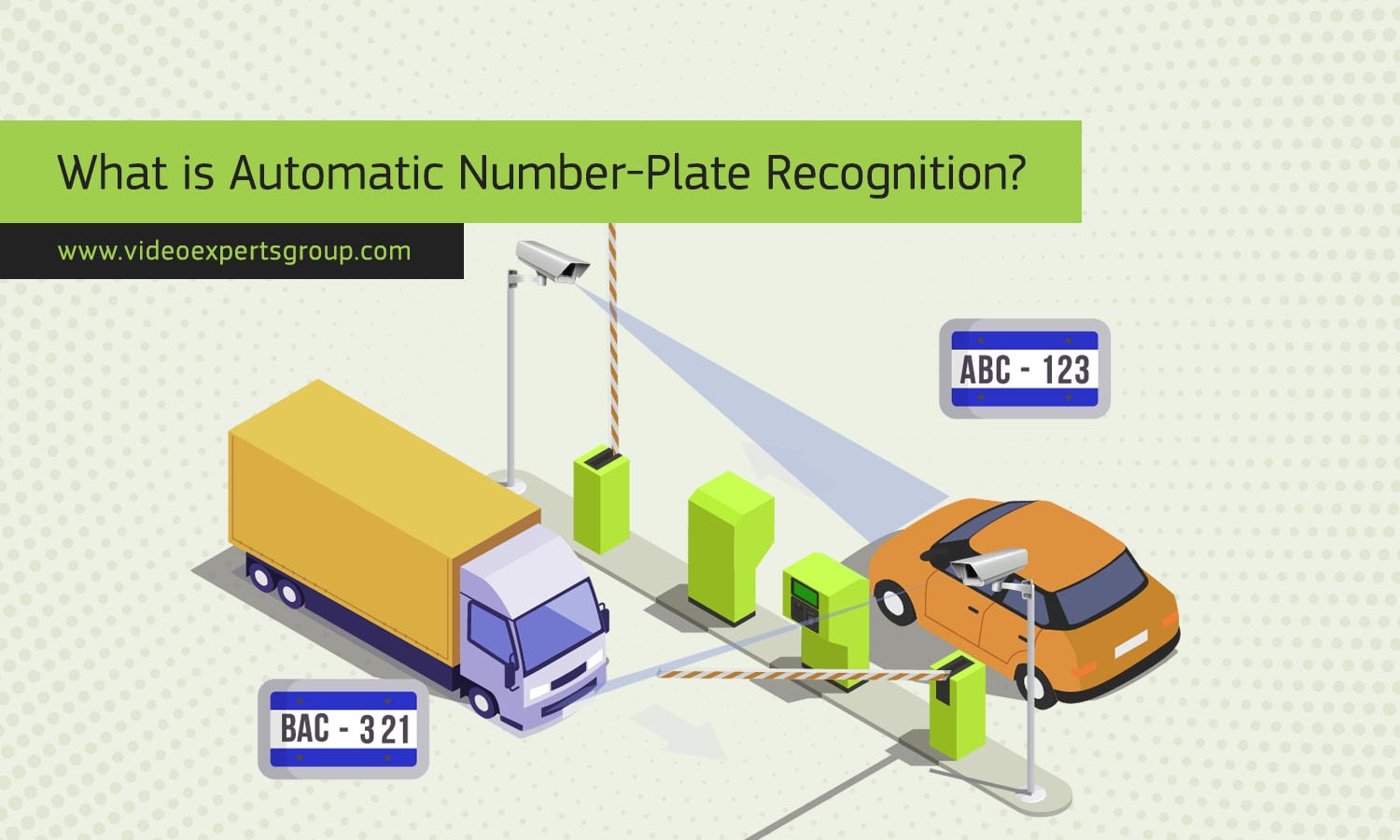
Automatic Number Plate Recognition, also known as ANPR or ALPR, has become a standard tool in modern traffic management, security, and smart city systems. It helps organizations automate the process of identifying and recording vehicle license plates in real time. Over the years ANPR has grown from a specialized law enforcement tool into a widely used technology across parking systems, toll collection, logistics and perimeter security. This article explains what ANPR is, how it works, its strengths and weaknesses, and the situations where it provides the most value.
Meaning
Automatic Number Plate Recognition is a vision based technology used to detect, capture, and analyze vehicle license plates from images or video streams. The system converts the visual representation of a plate into machine readable text. ANPR is sometimes called ALPR, especially in North America. The goal is to identify vehicles automatically without needing manual checks or human intervention. It relies on specialized cameras, optical character recognition, and software capable of interpreting the unique layouts used in different countries and regions.
ANPR is used in traffic control, law enforcement, access control, fleet monitoring, and automation of parking facilities. Its ability to work continuously and deliver quick results makes it suitable for environments where processing speed and accuracy play an important role.
How it works
Even though ANPR systems vary by manufacturer and implementation, they commonly follow a similar workflow. The process includes several interlinked steps.
1. Image capture
ANPR uses dedicated cameras designed to capture clear images of license plates regardless of lighting, weather, or vehicle speed. These cameras often include infrared support for night operation. The moment a vehicle enters the camera's field of view, the system records a frame or a short video snippet.
2. Plate detection
Software analyzes the captured frame to locate the region where a license plate is positioned. This step uses computer vision algorithms to isolate the plate from the rest of the image. The system considers shapes, contrast patterns, and color variations to ensure accurate detection even when the plate is at an angle or partially obscured.
3. Character segmentation
Once the plate is identified, the system separates individual characters. Segmentation splits letters and numbers into isolated elements that can be processed independently. High quality segmentation is important because errors at this stage can affect the accuracy of the final result.
4. Optical character recognition
During this step the system transforms the separated characters into digital text. OCR engines are trained to recognize different fonts, sizes, reflective surfaces, and plate formats. Some systems use artificial intelligence to adapt to regional variations and improve performance over time.
5. Data processing and output
After recognition, the system generates the final result, also known as the plate read. This data can then be used for a variety of purposes such as logging vehicle entries, matching against watchlists, calculating toll fees, or granting access to secure areas. The output may contain the plate number, confidence score, timestamps, GPS data, and associated images.
Advantages
ANPR offers several valuable strengths that contribute to its widespread adoption. Key advantages include:
- High level of automation that reduces manual work and the need for human monitoring.
- Ability to operate continuously in real time, providing fast results during high traffic volumes.
- Useful in security applications due to instant alerts and automatic record keeping.
- Improved efficiency for parking management, toll systems, and access control gates.
- Supports analytics such as traffic flow, peak hour monitoring, and fleet tracking.
- Works in various lighting conditions when supported by infrared or high dynamic range sensors.
Disadvantages
Despite its benefits, ANPR has certain limitations that organizations must consider before implementation:
- Accuracy can decrease in poor weather, heavy glare, damaged plates, or extreme vehicle angles.
- Different plate styles and regional variations can require additional training or customization.
- High quality cameras and specialized software can be expensive to deploy and maintain.
- Infrastructure upgrades such as proper lighting, mounting points, and connectivity may be required.
- Processing errors can lead to false readings that affect billing or automatic enforcement systems.
FAQs
