Cloud NVR

Connect IP cameras from different locations using VXG Cloud-based Network Video Recorder (NVR)

Get Demo
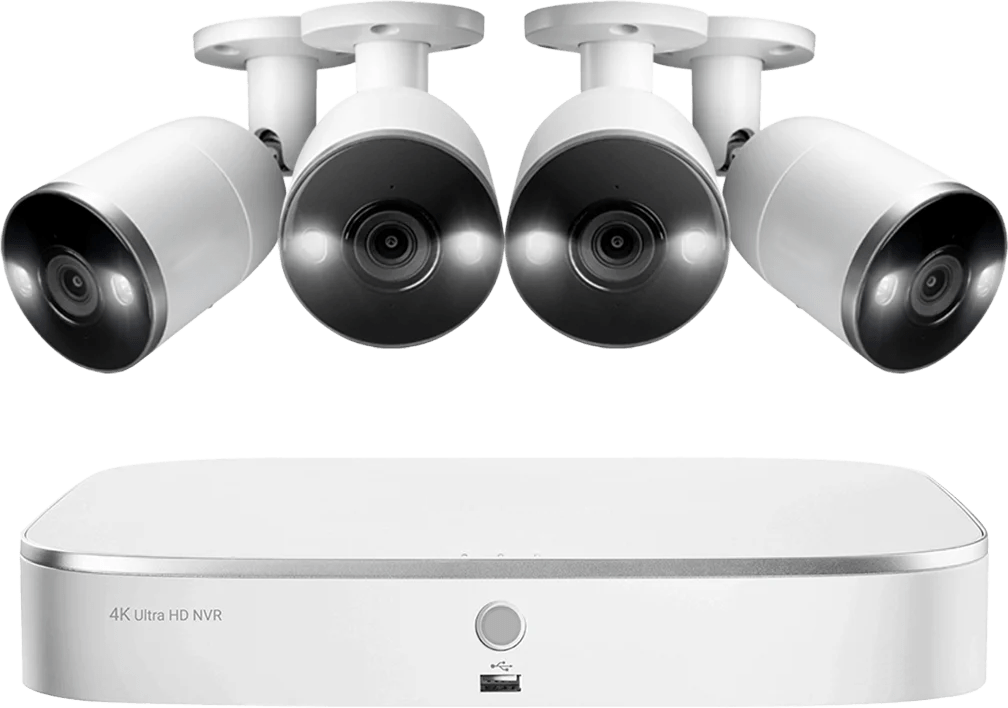
NVR
VXG Cloud DVR/NVR

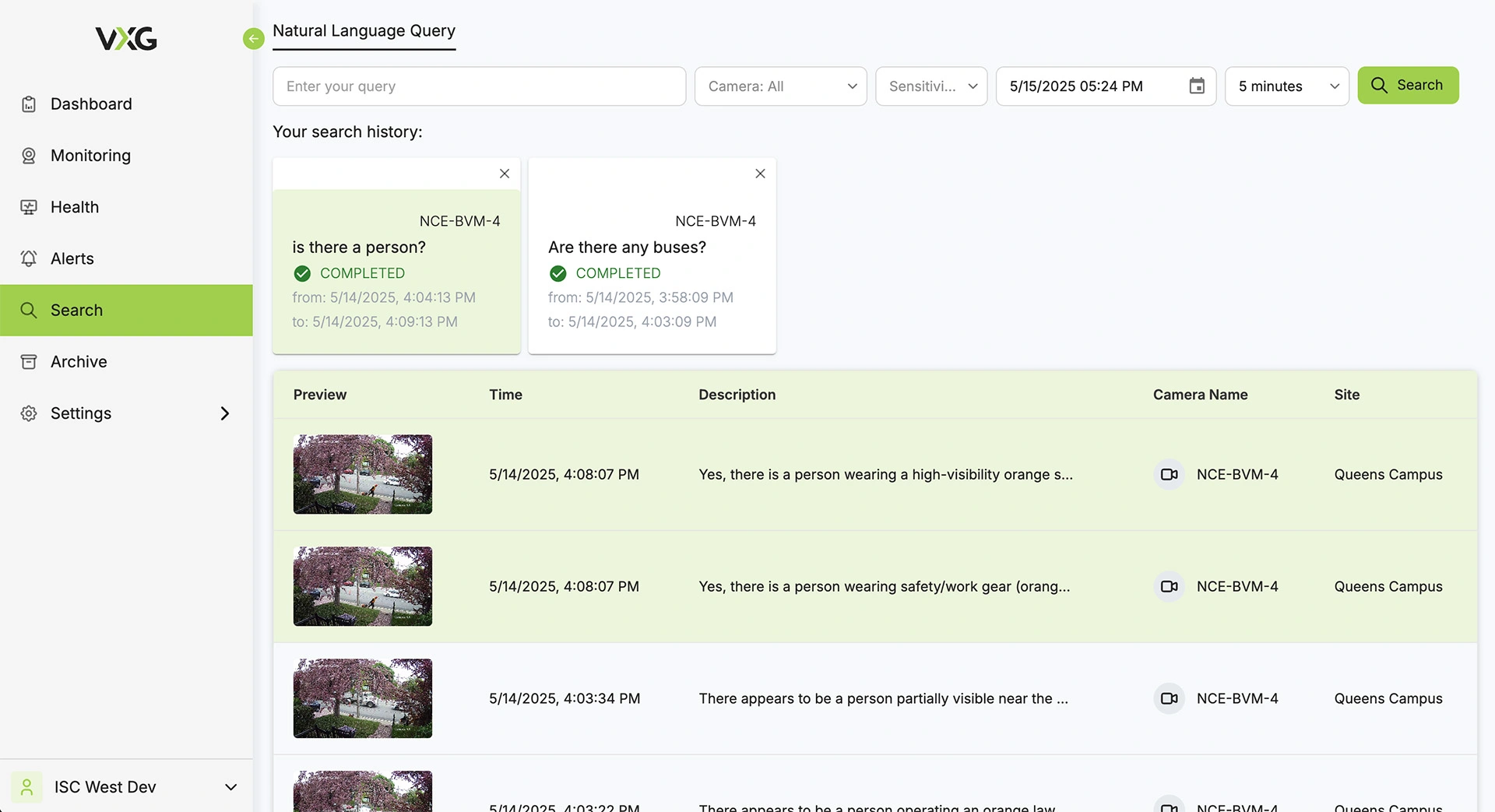
VXG offers plug-&-play Cloud-based NVR with remote management to make connection to your existing cameras simple. Use of standard hardware minimizes the capital cost. In addition to recording video, the NVR with cloud storage will do all kinds of video pre-processing to minimize the bandwidth and the AI processing cost.

VXG Cloud NVR

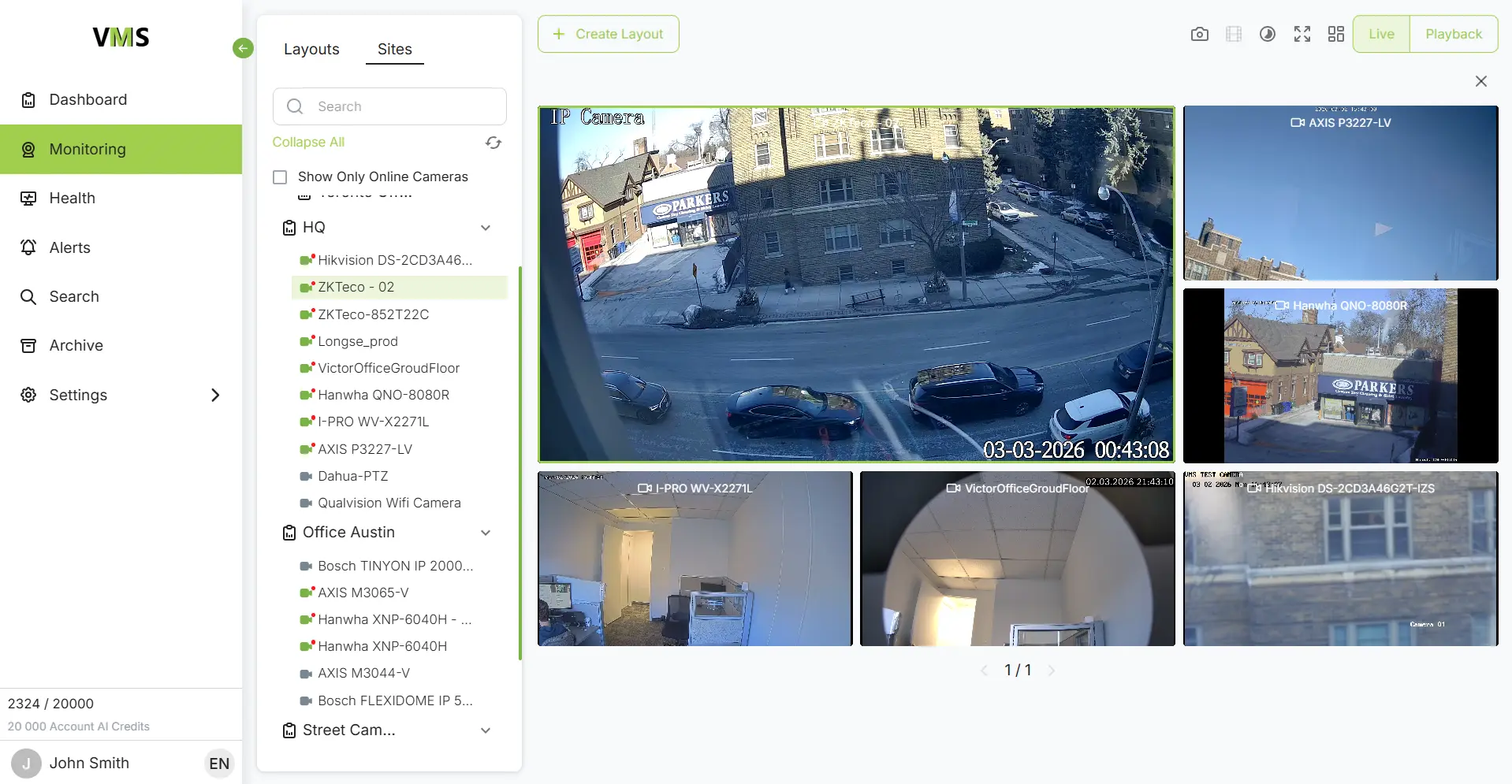
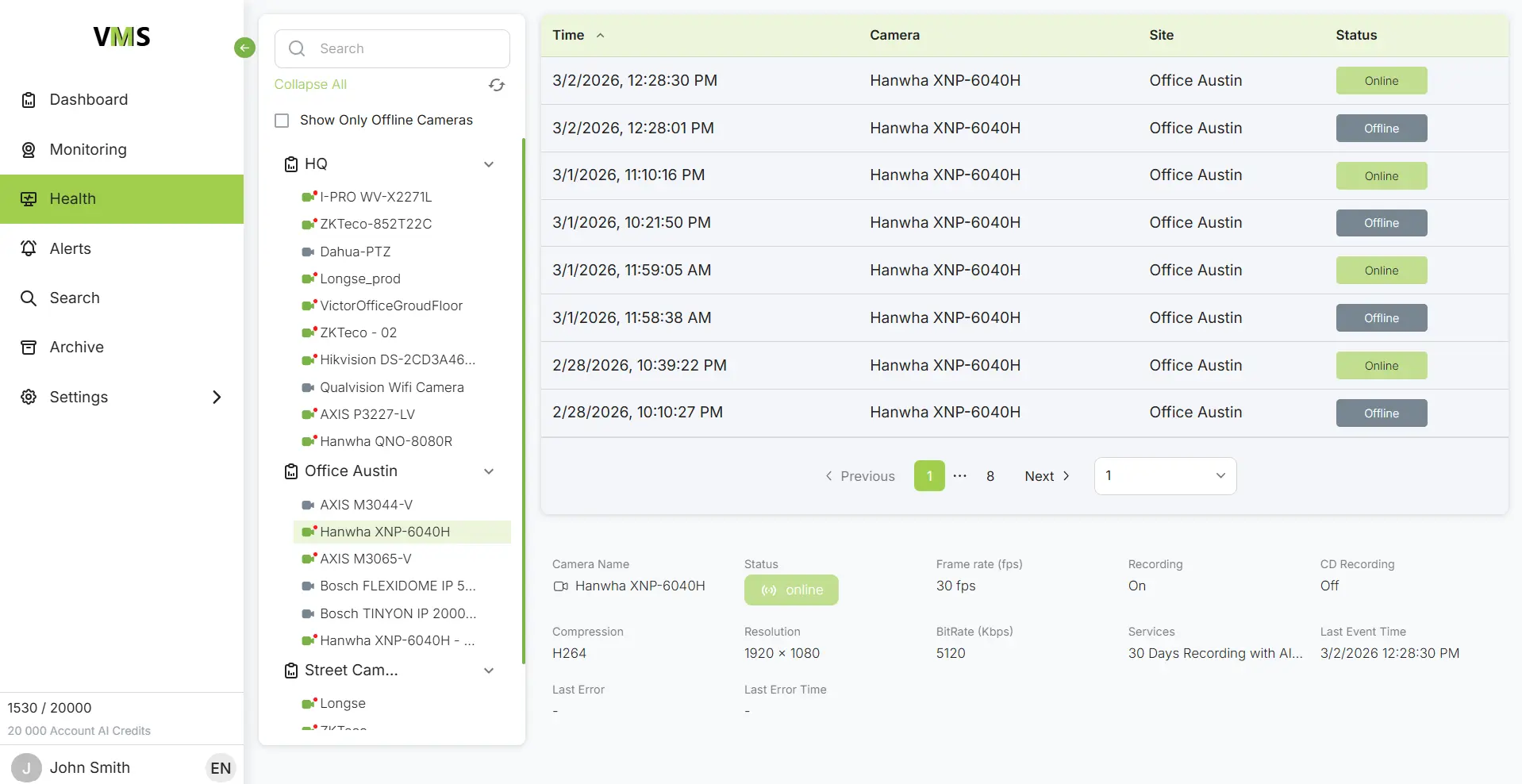
VXG cloud-based NVR is managed through the VXG Cloud Camera System that provides access to live and video recorded in the local storage through the Cloud VMS Web and Mobile clients, as well as using VXG REST API.

How to Use

Grad shape

Specifications

  • Inputs and formats:
  • Any ONVIF/RTSP IP camera
  • OS and requirements:
  • Any Linux x86 or ARM-based PC that supports Docker containers
  • A native Linux package is available upon request
  • Cloud relay:
  • Any channel can be relayed to VXG Cloud VMS
  • Output formats:
  • Live streaming (simultaneously from any input): WebRTC, RTSP, RTMP, HLS
  • Recording and playback: MP4
  • Processing:
  • Image extraction from live or recorded video (for time-lapse, scrubbing and AI)
  • Video clipping
  • Recording:
  • Any S3 compatible storage: local, network and Cloud
  • Includes S3 driver for local recording
  • API and SDK:
  • REST API
  • Web SDK: HTML5 Player and samples for quick integration
  • Mobile SDK: Android and iOS SDK for Playback and Streaming

Frequently Asked Questions

A traditional NVR is a physical box limited by its hardware ports (e.g., 8, 16, or 32 channels) and local storage capacity. The VXG Cloud NVR is a software-based solution that can be installed on standard hardware (like a Linux PC, Raspberry Pi, or NUC) or run as a virtualized Docker container. It bridges the gap between local and cloud surveillance by recording video locally while providing secure, centralized remote access and long-term cloud backup through the VXG Cloud VMS.
VXG is hardware-agnostic. You do not need to replace your existing infrastructure. The Cloud NVR works with any standard IP camera that supports ONVIF or RTSP protocols. This allows you to "cloud-enable" legacy systems from major manufacturers instantly, adding features like remote management and mobile viewing without a costly "rip-and-replace" overhaul.
It does both. The VXG Cloud NVR provides a hybrid storage model. It records high-quality video to local storage (S3-compatible local drives or network storage) for immediate high-resolution playback. Simultaneously, it can sync specific events or continuous streams to the cloud. This ensures you have a local backup for bandwidth efficiency and a cloud backup for disaster recovery if the local recorder is damaged or stolen.
VXG uses a unique AI Video Pipeline and "Edge Pre-processing" to reduce bandwidth consumption by up to 100x. Instead of streaming raw video 24/7, the Cloud NVR can perform local motion or object detection and only upload relevant "event clips" or low-resolution thumbnails to the cloud. High-resolution footage is only retrieved on demand, significantly lowering operational costs for large-scale deployments.
Reliability is built into the architecture. If the internet connection is lost, the Cloud NVR continues to record locally to the on-site hardware. Once the connection is restored, the system can automatically re-synchronize the missed footage with the cloud. This "store-and-forward" mechanism ensures no critical surveillance data is lost during network outages.
Yes. VXG provides enterprise-grade security including TLS/SSL encryption for all video streams and data in transit. Unlike consumer cloud brands that store data on their own servers, VXG allows you to self-host the solution in your own private cloud (AWS, Azure, Google Cloud) or data center. This gives you 100% ownership and control over your video data, ensuring compliance with strict privacy regulations like GDPR or HIPAA.
The system is designed for unlimited scalability. Because it is software-defined and microservices-based, you can manage one camera or 100,000 cameras across thousands of locations from a single dashboard. New cameras and locations can be added via the API or Web UI without needing to configure complex port forwarding or VPNs, making it the ideal solution for multi-site businesses and system integrators.