CAD (Computer-Aided Dispatch) Understanding
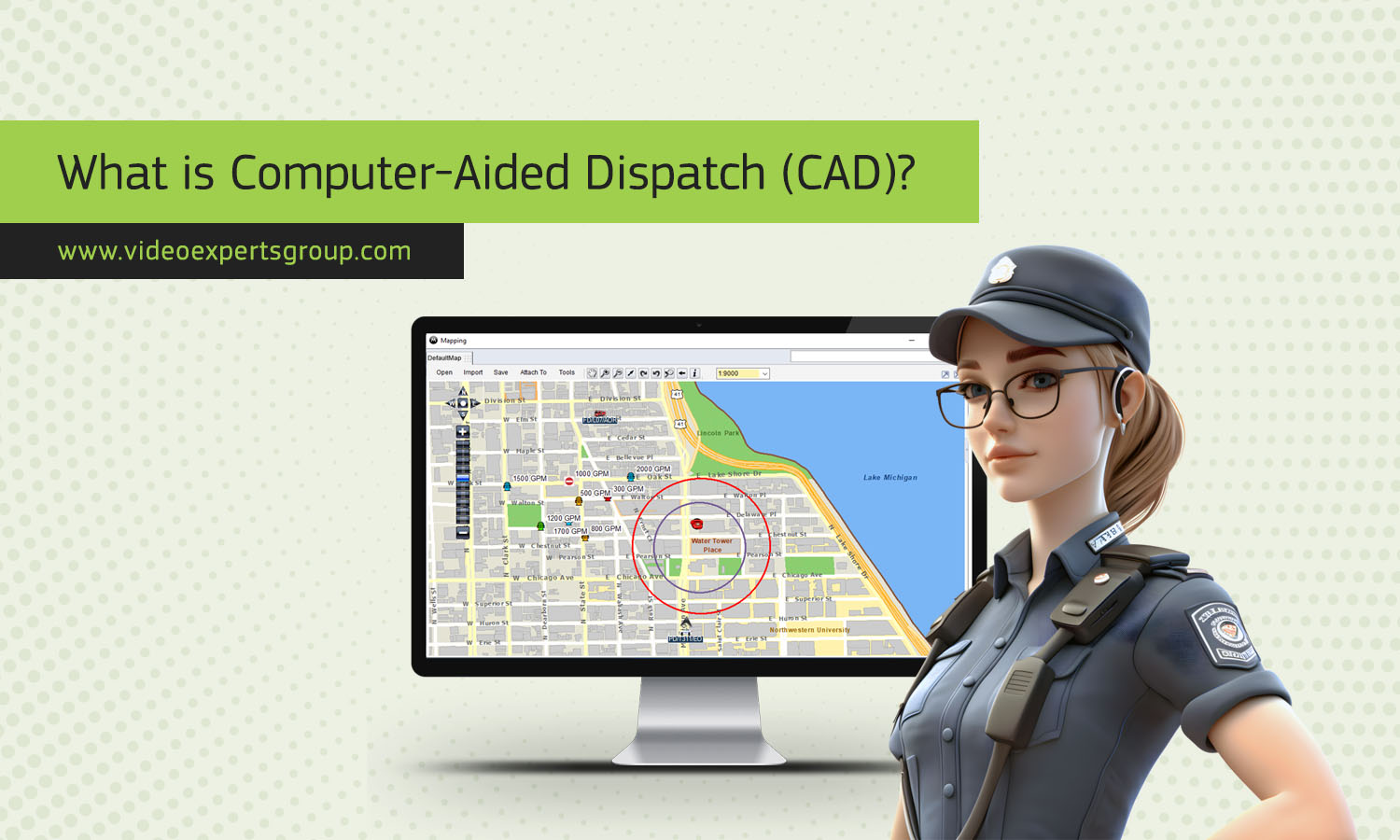
When emergency calls come in, seconds matter. Dispatchers must gather information, assess the situation, and send the right resources as quickly as possible. Doing this efficiently with paper logs or basic tools is nearly impossible in today’s fast paced environments. Computer-Aided Dispatch, commonly known as CAD, was developed to solve this challenge. It helps emergency service organizations manage calls, coordinate responses, and maintain clear situational awareness in real time.
Meaning
Computer-Aided Dispatch is a software system used by emergency service agencies to record, manage, and respond to incidents. It is most commonly used by police departments, fire services, ambulance providers, and other public safety organizations. CAD systems assist dispatchers by organizing incoming calls, tracking resources, and guiding response decisions.
At its core, CAD acts as the central command platform for dispatch operations. It replaces manual processes with digital workflows that are faster, more accurate, and easier to monitor. Each call for service becomes a structured incident within the system, complete with location data, priority level, and assigned units.
Key features
- Call intake and incident creation.
- Automatic location identification and mapping.
- Resource tracking for vehicles and personnel.
- Priority based dispatch recommendations.
- Real time status updates for active incidents.
- Integration with radio, phone, and mobile data systems.
- Event logging and historical reporting.
Modern CAD platforms often include advanced tools such as GPS based unit tracking, predefined response plans, and data sharing with neighboring agencies. These features help dispatchers make informed decisions under pressure.
How CAD works
A CAD system begins working the moment a call is received. When a caller contacts an emergency number, the dispatcher enters details into the CAD interface. The system captures essential information such as the caller’s location, nature of the incident, and any immediate risks.
Based on predefined rules and priorities, the CAD system suggests which units should be dispatched. These suggestions consider factors like proximity, availability, and unit capability. Dispatchers can accept the recommendation or adjust it based on their judgment.
Once units are assigned, CAD tracks their status in real time. Responders update their progress through mobile devices or radio communication, and these updates appear instantly within the system. This allows dispatchers to maintain a clear overview of all ongoing incidents.
After the incident is resolved, CAD stores the data for reporting and analysis. This information is valuable for training, performance evaluation, and long term planning.
Benefits
One of the main benefits of Computer-Aided Dispatch is speed. By automating routine tasks and providing instant access to information, CAD reduces response times and helps agencies act more quickly during emergencies.
Accuracy is another major advantage. CAD systems minimize errors by standardizing data entry and maintaining a single source of truth for all incidents. This improves communication between dispatchers and field units.
Operational efficiency also improves with CAD. Supervisors can monitor workloads, allocate resources more effectively, and identify bottlenecks. Over time, the data collected by CAD supports better decision making and service improvements.
Finally, CAD enhances accountability and transparency. Every action is logged, creating a detailed record that can be reviewed when needed.
FAQs
