Fleet GPS Tracking: Everything You Need to Know
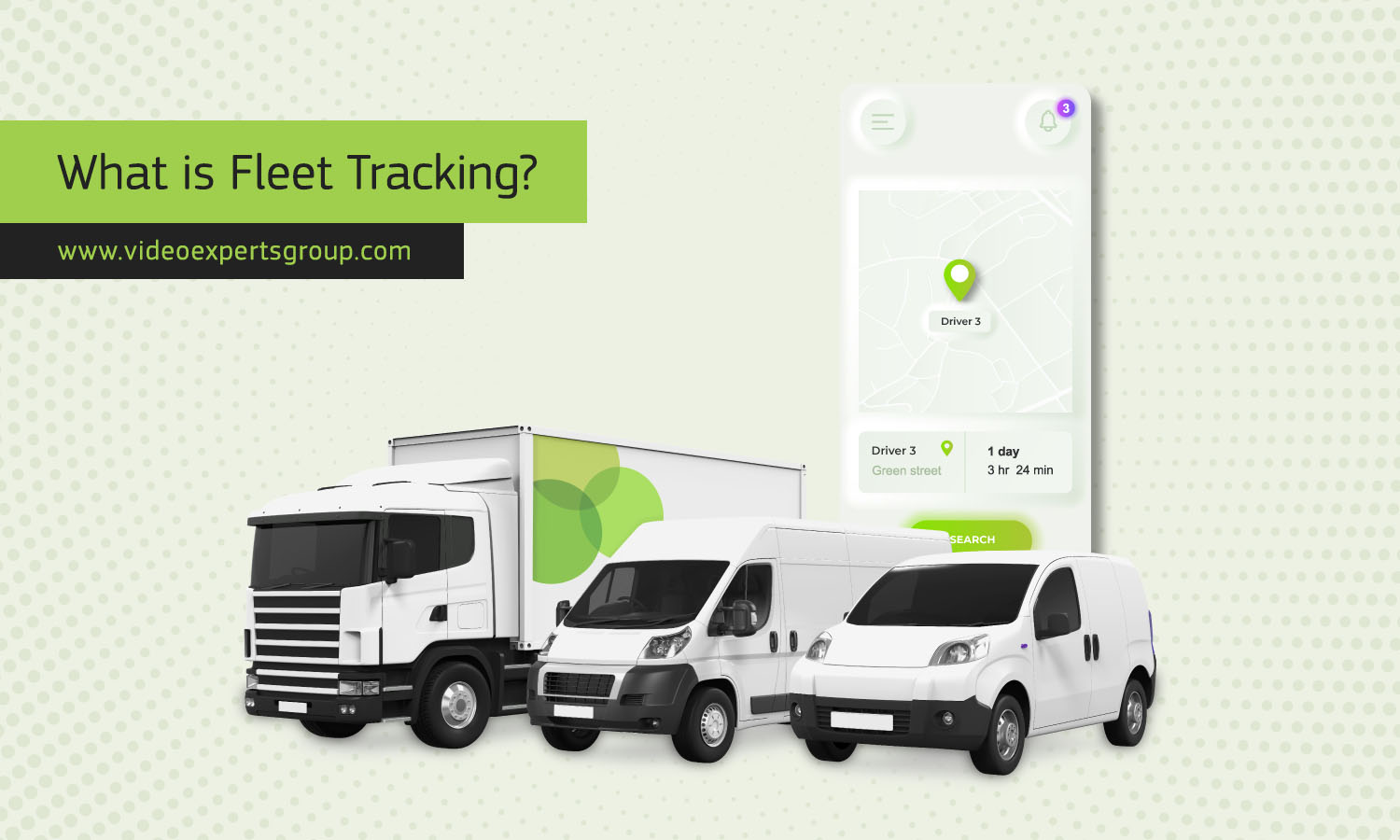
Fleet GPS tracking has moved from a niche technology into a standard business tool for companies that rely on vehicles. From delivery services and logistics providers to construction firms and service technicians, organizations use fleet tracking to gain visibility into vehicle location, usage, and performance. The goal is simple: reduce costs, improve safety, and make day-to-day operations more predictable.
Meaning
Fleet tracking is a system that allows businesses to monitor the real-time and historical location of multiple vehicles using satellite positioning technology. Each vehicle in the fleet is equipped with a GPS tracking device that collects location data and sends it to a central software platform.
Beyond location, modern fleet tracking often includes data on speed, idle time, routes, fuel usage, and driver behavior. This transforms fleet tracking from a basic map view into a full fleet management solution.
How it works
Fleet GPS tracking starts with a hardware device installed in each vehicle. This device uses signals from GPS satellites to determine its exact position. The tracker then transmits this information via cellular networks to a cloud-based server.
Fleet managers access the data through web or mobile software, where they can view vehicle locations, replay routes, receive alerts, and generate reports. Depending on the system, data can be updated every few seconds or at longer intervals to balance accuracy and cost.
Advanced systems integrate vehicle diagnostics, driver identification, and sensors for fuel, temperature, or cargo doors, creating a detailed picture of how each vehicle is used.
Types
Fleet GPS tracking solutions vary based on hardware, installation method, and functionality.
- Plug-and-play trackers connect to the vehicle’s diagnostic port and are easy to install or move between vehicles.
- Hardwired trackers are permanently installed and offer more reliable power and advanced data collection.
- Battery-powered trackers are used for trailers, equipment, or assets without a constant power source.
- Passive tracking systems store data locally and require manual download, mainly used where live tracking is not needed.
- Active tracking systems transmit data in real time and are the most common choice for commercial fleets.
Advantages
- Real-time visibility into vehicle locations and routes.
- Improved driver accountability and safer driving habits.
- Reduced fuel costs through route optimization and idle control.
- Faster response to delays, breakdowns, or emergencies.
- Accurate records for billing, payroll, and compliance.
- Better asset utilization and reduced vehicle theft risk.
Disadvantages
- Initial costs for hardware, installation, and subscriptions.
- Ongoing monthly or annual service fees.
- Privacy concerns from drivers if policies are unclear.
- Dependence on cellular coverage for real-time updates.
- Learning curve for staff when adopting new software.
Popular systems
The fleet GPS tracking market offers many software platforms, each with its own focus and strengths.
- Geotab is known for deep vehicle data, compliance tools, and scalability for large fleets.
- Samsara combines GPS tracking with driver safety, cameras, and IoT integrations.
- Verizon Connect provides robust tracking, reporting, and enterprise-level support.
- Fleet Complete focuses on real-time tracking, compliance, and mixed asset management.
- KeepTruckin emphasizes ease of use, electronic logging, and driver-friendly tools.
Choosing the right system depends on fleet size, vehicle type, regulatory needs, and budget.
FAQs
