What is a Panic Button?
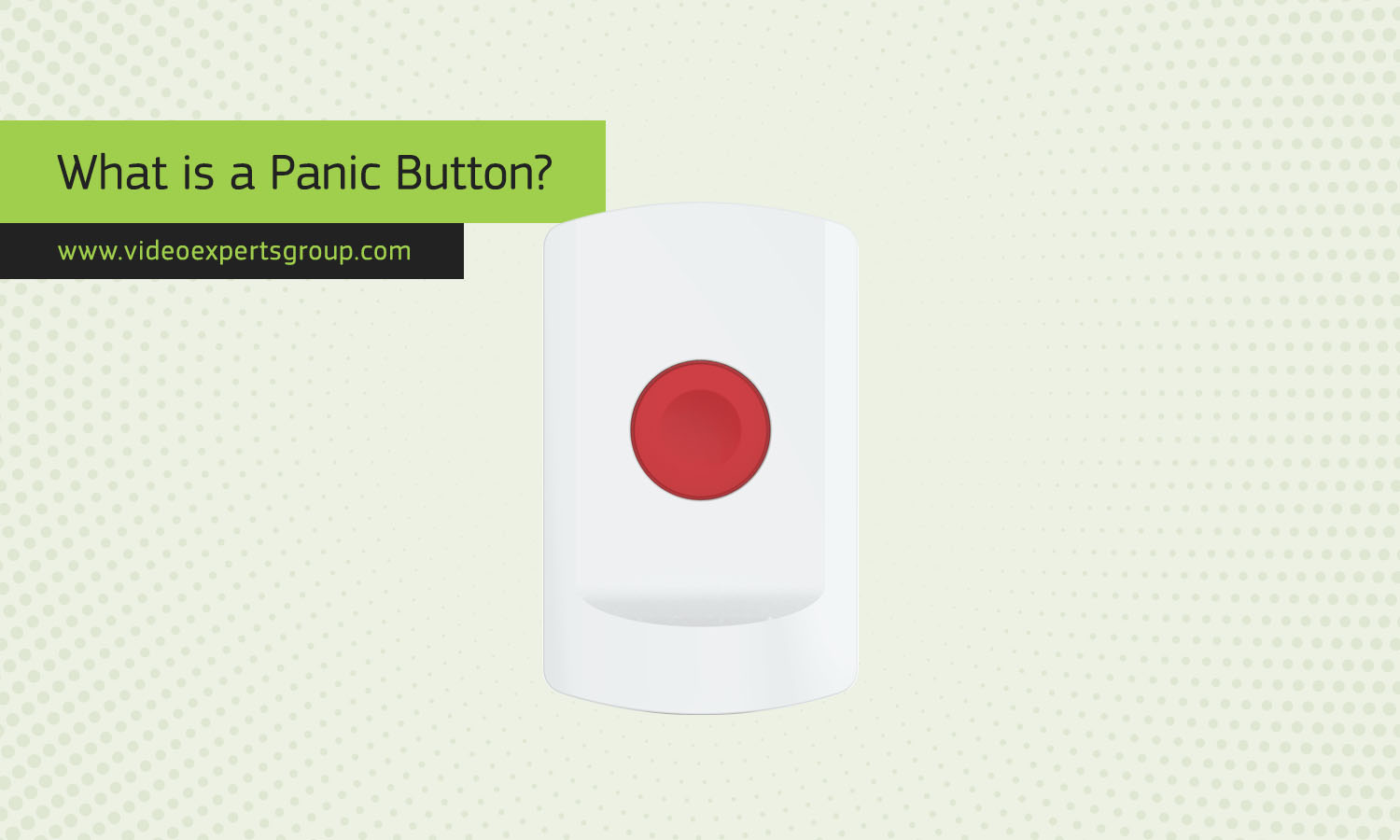
A panic button is a simple yet powerful safety tool designed to request immediate help during dangerous or stressful situations. It is widely used in security systems, workplaces, healthcare facilities, and personal safety devices. With a single press, a panic button can alert authorities, security teams, or emergency contacts, reducing response time when every second matters.
Meaning
A panic button is a physical or digital control that allows a person to quickly send an emergency alert. The alert signals that the user is facing a threat, medical emergency, or urgent situation and needs immediate assistance. Unlike standard alarms that may require multiple steps, a panic button is designed for speed and simplicity, often working instantly with one action.
Panic buttons can be standalone devices or integrated into larger systems such as alarm panels, mobile apps, smartwatches, or access control systems. Their main purpose is to minimize reaction time and provide a clear distress signal without requiring verbal communication.
How panic button works
The basic operation of a panic button follows a straightforward process. When the button is pressed, it sends a predefined signal to a monitoring system or directly to responders. The signal may travel through wired connections, wireless networks, cellular data, or the internet, depending on the setup.
Once activated, the system performs one or more actions. These actions may include notifying a security control room, sending alerts to emergency services, triggering a loud or silent alarm, or sharing the user’s location. In advanced systems, the activation can also start video recording, lock or unlock doors, or notify multiple contacts at once.
The simplicity of the process is intentional. Panic situations often limit a person’s ability to think clearly, so the design focuses on immediate response with minimal effort.
Types
Panic buttons come in several forms, each suited to different environments and needs.
- Fixed panic buttons installed on walls, desks, or under counters in offices, banks, and retail stores.
- Wireless panic buttons that can be carried or placed flexibly without complex wiring.
- Mobile app panic buttons built into smartphone applications for personal safety.
- Wearable panic buttons integrated into watches, pendants, or bracelets.
- Integrated panic buttons included in alarm panels, access control readers, or smart home systems.
Each type offers a balance between accessibility, discretion, and coverage.
Common uses
Panic buttons are used across many sectors because of their reliability and ease of use. In retail and banking, they help staff silently alert security during robberies or aggressive incidents. In offices and schools, they provide a quick way to respond to threats or medical emergencies.
Healthcare facilities use panic buttons to protect staff working alone or with potentially aggressive patients. Hotels and hospitality businesses rely on them to support employee safety, especially for housekeeping staff. On a personal level, individuals use panic buttons for protection while traveling, exercising outdoors, or managing health risks.
Benefits
The main benefit of a panic button is speed. One press can replace multiple phone calls or complicated actions. This quick response can reduce harm, prevent escalation, and save lives.
Another advantage is discretion. Many panic buttons operate silently, allowing the user to request help without drawing attention. They also provide peace of mind, knowing that help is always within reach.
Panic buttons can be integrated with modern security systems, adding value through location tracking, video verification, and automated workflows.
Limitations
Despite their usefulness, panic buttons have limitations. They rely on power sources and communication networks, which means outages or signal loss can affect performance. Accidental activation can also occur if devices are not properly placed or protected.
Another limitation is that a panic button alone does not resolve an emergency. Its effectiveness depends on how quickly and appropriately responders act after receiving the alert. Training, clear procedures, and regular testing are essential to ensure the system works as intended.
FAQs
