What is a PoE Camera?
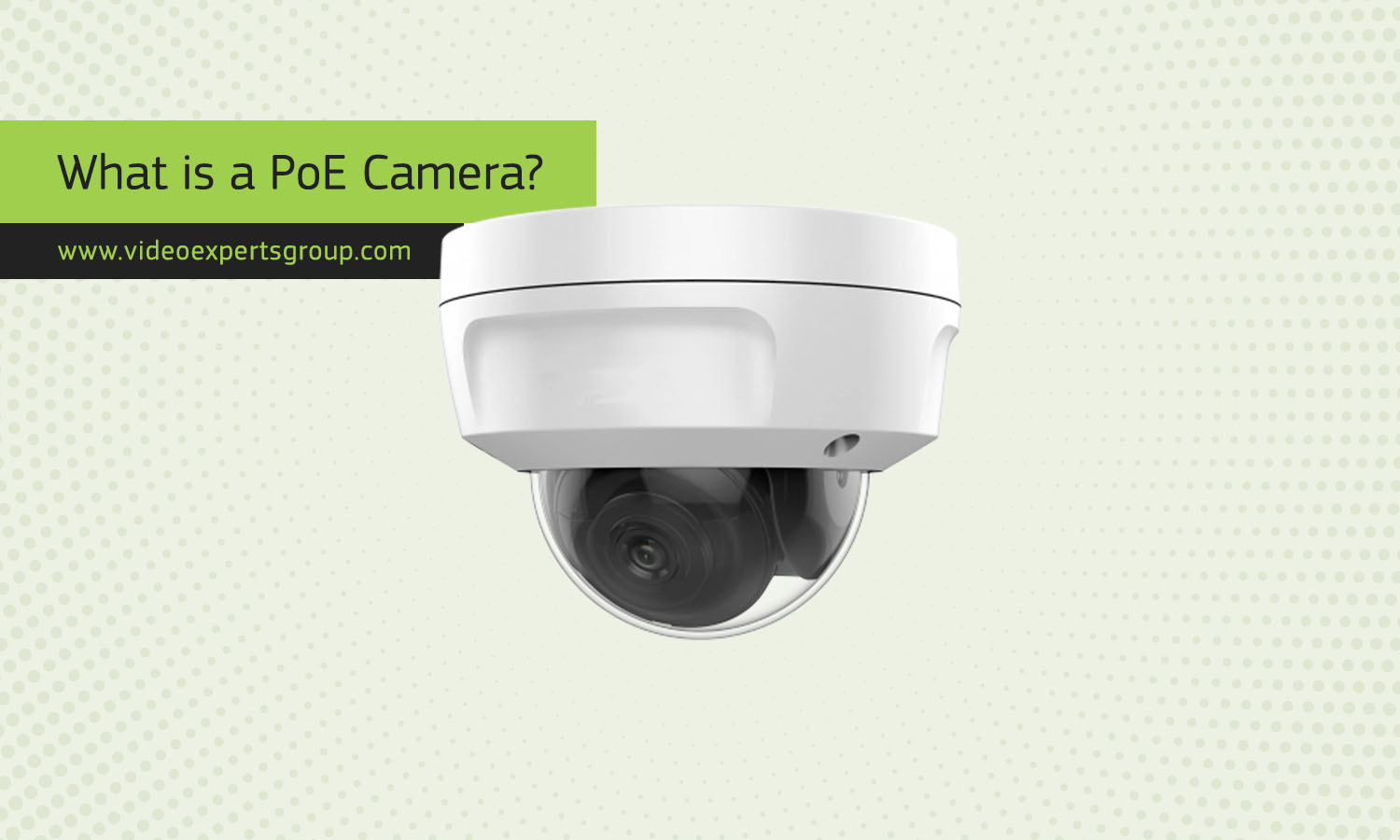
Video surveillance has changed a lot over the years. What once required complex wiring and separate power sources can now be set up with far fewer cables and less effort. One of the technologies that made this possible is Power over Ethernet, commonly known as PoE. Cameras that use this technology are widely found in homes, offices, factories, and public spaces because they combine reliability, image quality, and easier installation. Understanding what a PoE camera is and how it works can help you decide whether it is the right choice for your security needs.
Meaning
A PoE camera is a type of security camera that receives both electrical power and data through a single Ethernet cable. Instead of running one cable for power and another for network communication, a PoE camera uses one standard network cable, usually Cat5e or Cat6, to handle everything. This design reduces clutter, simplifies setup, and improves overall reliability.
PoE cameras are a subtype of IP cameras, which means they capture video digitally and transmit it over a network. The key difference is how they are powered. While some IP cameras rely on local power adapters or batteries, PoE cameras draw power directly from a PoE-enabled network switch or a PoE injector. This makes them especially popular in professional and semi-professional surveillance systems.
How PoE camera works
The operation of a PoE camera is straightforward but efficient. At the center of the system is a PoE source, which can be a PoE switch or a PoE injector. This device sends low-voltage power along with data over the Ethernet cable. The camera at the other end is designed to accept this combined signal.
When the Ethernet cable is connected, the PoE source and the camera communicate briefly to confirm that the connected device is compatible and to determine how much power is needed. Once confirmed, power flows safely to the camera. At the same time, the camera sends digital video data back through the same cable to a network video recorder, server, or monitoring software.
This approach follows established PoE standards, which help prevent damage and ensure stable operation. Because the power levels are controlled and monitored, PoE systems are considered safe for continuous use in security applications.
Benefits
PoE cameras offer several advantages that explain their widespread adoption in modern surveillance.
- Simpler installation. Only one cable is needed per camera, reducing drilling, wiring, and installation time.
- Cleaner setup. Fewer cables mean less visual clutter and easier cable management.
- Centralized power control. Cameras can be powered on, powered off, or rebooted from the network switch without physical access.
- Higher reliability. Wired connections are less prone to interference and dropouts than wireless links.
- Scalability. Adding new cameras is often as simple as running another Ethernet cable to a PoE port.
- Better image quality. PoE cameras usually support higher resolutions and stable frame rates.
Common uses
PoE cameras are used in many environments where dependable surveillance is important.
In homes, they are often installed around entrances, driveways, and yards to provide clear video and continuous operation without worrying about battery changes. In offices and retail spaces, PoE cameras monitor employee areas, customer traffic, and storage rooms while integrating easily with existing network infrastructure.
Industrial facilities and warehouses rely on PoE cameras for long-term monitoring, as wired power and data are more reliable in large buildings. Schools, hospitals, and public institutions also favor PoE cameras because they can be centrally managed and supported by backup power systems, ensuring operation during power interruptions.
PoE camera vs. IP camera
The terms PoE camera and IP camera are sometimes confused, but they are not identical. An IP camera is any camera that transmits video over a network using digital signals. This category includes many different power options.
A PoE camera is a specific type of IP camera that uses Power over Ethernet for its power supply. Other IP cameras may rely on separate power adapters, direct electrical wiring, or even batteries. In practice, this means all PoE cameras are IP cameras, but not all IP cameras are PoE cameras.
The main advantage of PoE within the IP camera family is convenience. By removing the need for a nearby power outlet, PoE cameras can be placed more freely and managed more easily, especially in larger systems.
PoE camera vs. Wi-Fi camera
PoE cameras and Wi-Fi cameras differ mainly in how they connect to the network and receive power. A PoE camera uses a wired Ethernet connection for both data and power. A Wi-Fi camera sends video wirelessly but still needs power, either from a wall outlet or a battery.
Wi-Fi cameras are often chosen for quick setups and small spaces because they reduce the need for network cabling. However, they can be affected by signal interference, network congestion, and limited range. Battery-powered models also require regular recharging or replacement.
PoE cameras, on the other hand, offer stable connections, consistent video quality, and uninterrupted operation as long as the network is powered. They are better suited for permanent installations and areas where reliability matters more than portability.
FAQs
