What is a Charge-Coupled Device (CCD)?
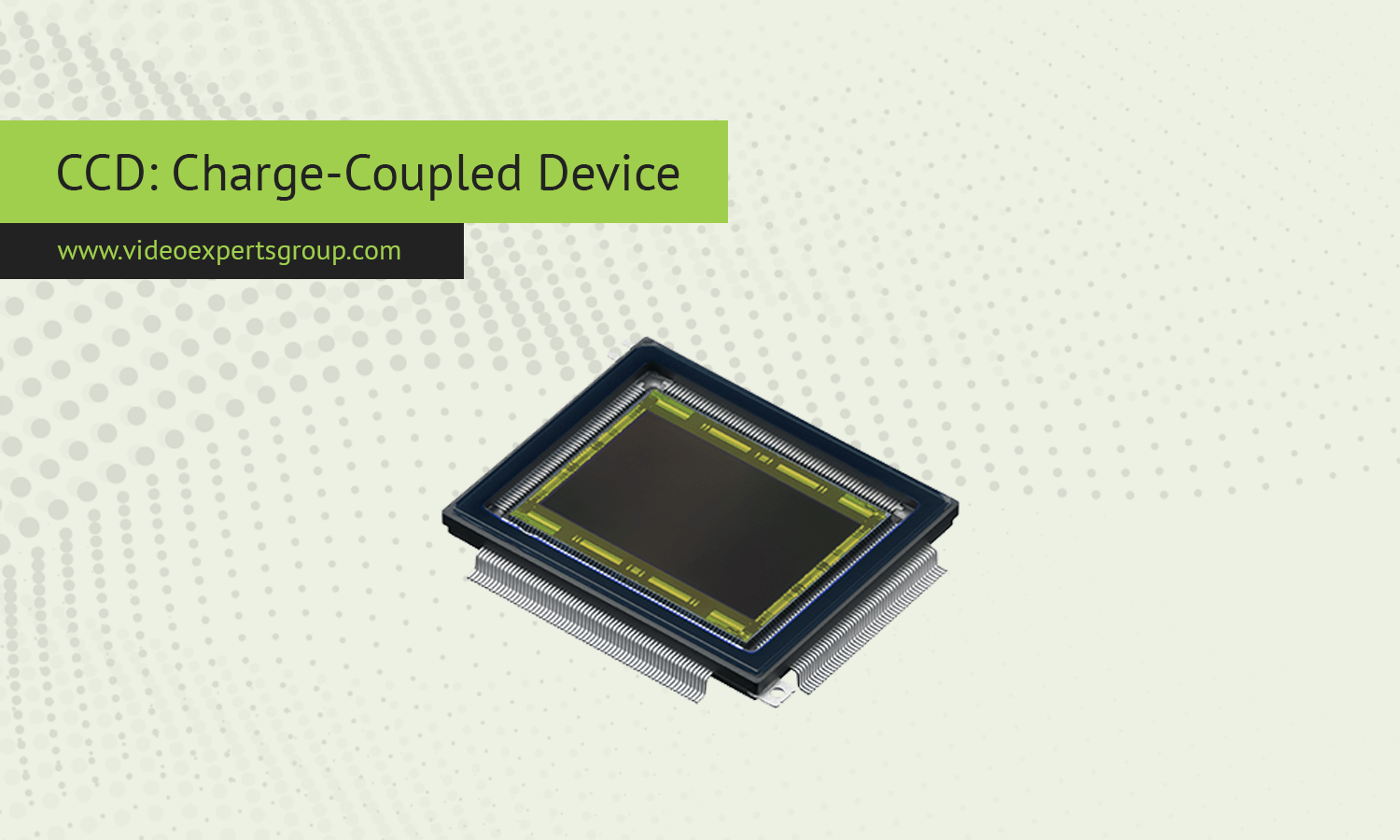
A charge-coupled device (CCD) is a type of image sensor that converts light into electronic signals. It is widely used in digital cameras, telescopes, scanners, and medical imaging systems to capture high-quality images with exceptional accuracy. Before the rise of CMOS sensors, CCDs were the gold standard in digital imaging due to their superior light sensitivity and low noise.
Definition
A CCD is a semiconductor device that captures and transfers electrical charges representing light intensity from one capacitor (pixel) to another within a grid-like array. These charges are then converted into digital values to form an image. The term charge-coupled refers to how the electrical charges are passed or “coupled” across the device to create the final output signal.
Working Principle
The operation of a CCD can be understood in several key steps:
- Photon Capture: When light strikes the CCD surface, photons are absorbed by the photosensitive layer, generating electron-hole pairs.
- Charge Accumulation: The electrons accumulate in each pixel proportionally to the amount of light received.
- Charge Transfer: Once exposure ends, the accumulated charges are sequentially transferred across the CCD’s array — pixel by pixel and row by row — toward the readout register.
- Signal Conversion: The final charge packet is converted into a voltage signal, which is then amplified and digitized to produce a digital image.
This process ensures uniformity and precision, as each pixel’s charge is moved in an orderly fashion without distortion. However, it also means CCDs require precise timing and higher power consumption compared to other imaging sensors.
Where are CCDs Used?
CCDs are used in a variety of high-performance imaging applications where image quality is critical:
- Astronomy: Used in telescopes and space probes for capturing faint light from distant celestial bodies.
- Medical Imaging: Employed in X-ray machines, endoscopy, and microscopy for accurate diagnostics.
- Industrial Inspection: Utilized in quality control systems to detect flaws in products or materials.
- Scientific Research: Used in spectroscopy and other instruments that require high signal precision.
- Photography and Videography: Although now largely replaced by CMOS sensors, professional and scientific cameras still use CCDs for superior image detail.
Advantages
- High Image Quality: CCDs deliver excellent dynamic range, low noise, and accurate color representation.
- Uniform Pixel Response: All pixels behave consistently, reducing artifacts and uneven brightness.
- High Sensitivity to Light: Ideal for low-light imaging environments such as astronomy.
- Low Distortion: The charge transfer mechanism ensures precise image reproduction without geometric distortion.
Disadvantages
- High Power Consumption: CCDs require more energy due to their complex charge transfer process.
- Slower Readout Speed: Transferring charges sequentially makes them slower than CMOS sensors.
- Higher Cost: Manufacturing and operation are more expensive, limiting their use in consumer devices.
- Heat Generation: The energy-intensive process can produce heat, potentially affecting long exposures.
FAQs
