The Most Dangerous Cities in South Carolina
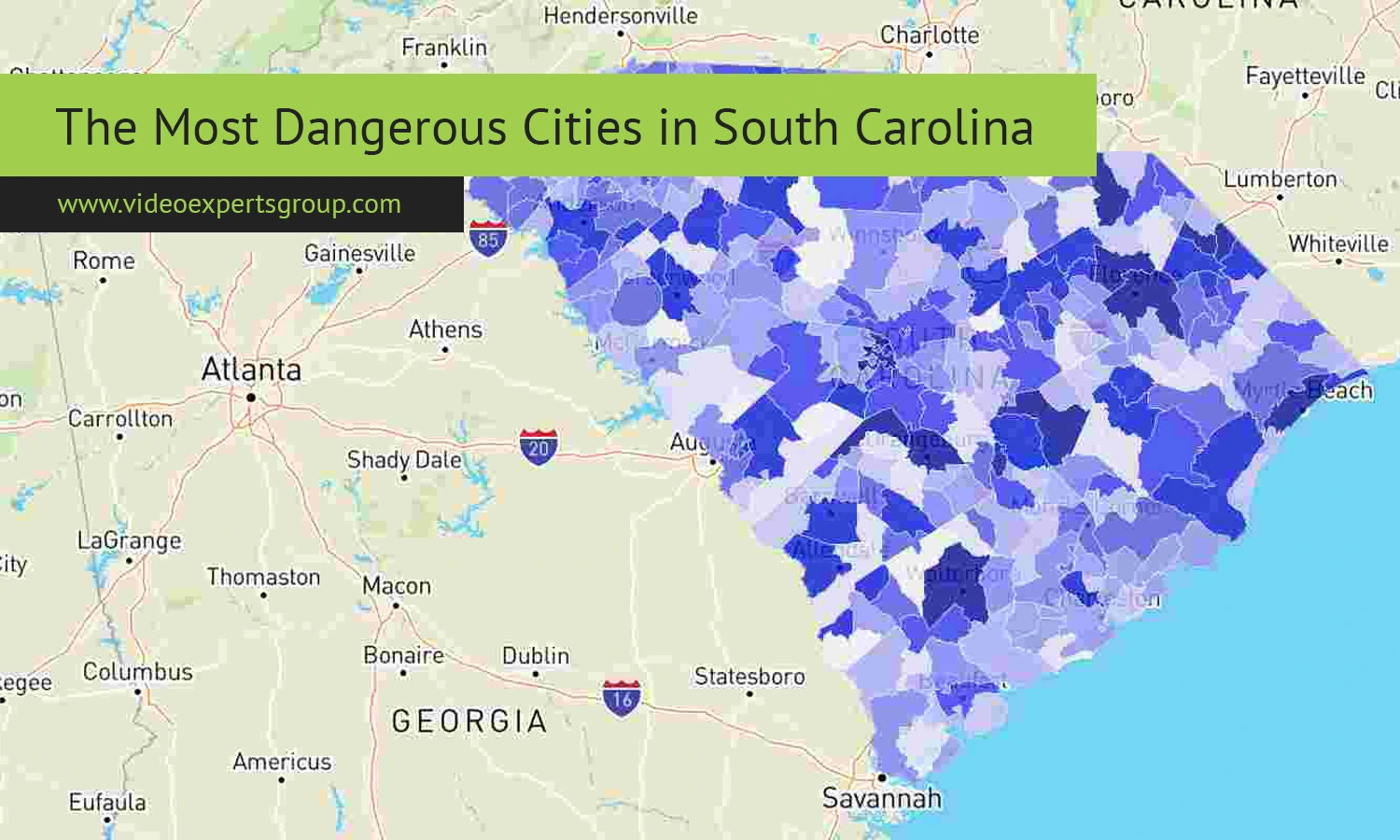
South Carolina is known for its historic towns, coastal destinations, and fast-growing communities, but like every state, it also has cities that struggle with elevated crime rates. Crime statistics can vary significantly depending on population size, economic conditions, tourism activity, and local law enforcement resources. While many areas across the state remain safe for residents and visitors, some cities consistently report higher levels of violent crime and property crime than the national average.
It is important to understand that a city's appearance on a crime ranking list does not mean every neighborhood is unsafe or that residents are constantly in danger. In many cases, crime is concentrated in specific districts, and local authorities continue to invest in community programs, policing strategies, and economic development initiatives to improve public safety. This guide explores several South Carolina cities that frequently appear in crime statistics reports and public safety discussions.
Union
Union is a small city in northern South Carolina with a long textile and manufacturing history. Over the years, economic decline and limited job opportunities have contributed to higher crime rates compared to many similarly sized communities. Although Union maintains a close-knit atmosphere, law enforcement agencies regularly deal with both property-related offenses and violent incidents.
Residents often report concerns about burglary, theft, drug-related activity, and assaults in certain areas of the city. Limited economic growth and poverty levels have created ongoing challenges for local officials attempting to reduce criminal activity. Despite these concerns, community organizations and revitalization programs continue working to improve safety and quality of life.
Overall Crime Rate (per 1,000 residents): Approximately 95
Crime Odds: About 1 in 11 residents may become a victim of crime
Primary Crime Categories: Burglary, aggravated assault, vehicle theft, drug offenses
Walterboro
Walterboro is located in the Lowcountry region of South Carolina and serves as an important regional hub along Interstate 95. The city attracts travelers and tourists throughout the year, which can contribute to certain property crimes, especially theft-related offenses targeting vehicles and temporary visitors.
Walterboro has experienced periods of elevated violent crime and property crime rates compared to the state average. Law enforcement agencies frequently focus on drug enforcement operations and repeat offenders. While many neighborhoods remain relatively quiet, some sections of the city have experienced persistent issues with robbery and assault cases.
The city has invested in downtown revitalization and community policing efforts to strengthen safety and attract more economic activity. Residents often emphasize that crime problems are not uniform throughout Walterboro and vary significantly by neighborhood.
Overall Crime Rate (per 1,000 residents): Approximately 72
Crime Odds: Roughly 1 in 14 residents may experience crime
Primary Crime Categories: Theft, robbery, burglary, assault
Spartanburg
Spartanburg is one of the largest cities on this list and serves as a major economic center in the Upstate region. The city has seen significant growth in manufacturing and business investment during the past decade, yet certain parts of Spartanburg continue to struggle with elevated crime levels.
Violent crime remains one of the biggest public safety concerns in Spartanburg. Assaults, robberies, and shootings occasionally dominate local headlines, particularly in neighborhoods facing economic hardship. Property crimes such as vehicle theft and residential burglary also contribute heavily to the city's overall crime statistics.
Despite these challenges, Spartanburg has undergone substantial redevelopment and infrastructure improvements. Many residential areas and business districts remain stable and attractive, while law enforcement agencies continue implementing targeted crime reduction programs.
Overall Crime Rate (per 1,000 residents): Approximately 67
Crime Odds: Around 1 in 15 residents may become crime victims
Primary Crime Categories: Violent assault, robbery, burglary, motor vehicle theft
Orangeburg
Orangeburg is home to several educational institutions and serves as an important cultural center in central South Carolina. However, the city has also developed a reputation for elevated crime rates, particularly involving violent offenses and property crimes.
Economic inequality and gang-related activity have contributed to safety concerns in some neighborhoods. Local police departments regularly investigate assault cases, armed robberies, and drug trafficking incidents. Property crimes, including home break-ins and theft, also remain relatively common.
Community leaders have focused on youth programs and educational initiatives aimed at reducing long-term criminal behavior. Many residents believe continued investment in employment opportunities and neighborhood development could improve public safety over time.
Overall Crime Rate (per 1,000 residents): Approximately 75
Crime Odds: Roughly 1 in 13 residents may be affected by crime
Primary Crime Categories: Assault, robbery, burglary, narcotics offenses
Hartsville
Hartsville is widely recognized for its industrial base and educational institutions, yet the city still faces notable public safety concerns. Although smaller than many urban areas, Hartsville reports crime rates that exceed state averages in several categories.
Property crimes such as burglary and theft remain ongoing issues for residents and businesses. Violent incidents, while less frequent than in larger cities, still contribute to the city's crime statistics. Drug-related arrests also play a major role in local law enforcement activity.
Community involvement remains strong in Hartsville, and many residents actively participate in local safety initiatives. The city continues investing in redevelopment projects and policing efforts designed to strengthen neighborhood security.
Overall Crime Rate (per 1,000 residents): Approximately 61
Crime Odds: About 1 in 16 residents may become victims of crime
Primary Crime Categories: Theft, burglary, assault, drug crimes
Darlington
Darlington is best known nationally for its famous NASCAR raceway, but outside major racing events, the city faces persistent economic and public safety challenges. Crime rates in Darlington regularly exceed national averages, especially in property crime categories.
Local authorities frequently deal with theft, residential break-ins, and drug-related offenses. Some neighborhoods have also reported elevated levels of violent crime, including aggravated assault and armed robbery. Economic instability has contributed to ongoing social challenges within the community.
Despite these issues, Darlington remains an important regional destination with active revitalization efforts. Residents and city officials continue working toward long-term economic improvement and stronger community policing programs.
Overall Crime Rate (per 1,000 residents): Approximately 64
Crime Odds: Roughly 1 in 16 residents may experience crime
Primary Crime Categories: Burglary, theft, assault, drug-related offenses
Dillon
Dillon is located near the North Carolina border and has historically served as a transportation and travel corridor community. Unfortunately, the city also experiences elevated crime rates that consistently place it among the higher-crime areas in South Carolina.
Property crime is particularly common in Dillon, with vehicle theft, burglary, and larceny occurring more frequently than state averages. Violent crime rates also remain a concern, especially aggravated assault incidents. Economic struggles and population decline have contributed to many of the city's public safety issues.
Local leaders continue searching for economic development opportunities while law enforcement agencies focus on reducing repeat criminal activity and drug trafficking operations.
Overall Crime Rate (per 1,000 residents): Approximately 78
Crime Odds: Around 1 in 13 residents may become victims of crime
Primary Crime Categories: Theft, assault, burglary, vehicle theft
Myrtle Beach
Myrtle Beach is one of South Carolina's most visited tourist destinations, attracting millions of visitors every year. Because of its tourism industry and large seasonal population increases, the city experiences unusually high crime statistics compared to its permanent population size.
Many crimes in Myrtle Beach involve theft, shoplifting, vehicle break-ins, and offenses connected to nightlife and tourism districts. Violent crimes also occur, particularly during busy vacation seasons when large crowds gather in entertainment areas.
It is important to note that tourist-heavy cities often appear higher in crime rankings because temporary visitors are included in incident totals but not permanent population calculations. Many residential neighborhoods outside tourist zones remain relatively safe and family-oriented.
Overall Crime Rate (per 1,000 residents): Approximately 83
Crime Odds: About 1 in 12 residents or visitors may experience crime
Primary Crime Categories: Theft, robbery, assault, vehicle break-ins
Lancaster
Lancaster has experienced rapid growth due to its proximity to the Charlotte metropolitan area. While development has brought new businesses and residents, the city still struggles with crime levels above state averages in several categories.
Violent offenses such as aggravated assault and robbery remain concerns for local law enforcement agencies. Property crimes, especially burglary and vehicle theft, also contribute heavily to crime statistics. Population growth has placed additional pressure on infrastructure and policing resources.
Community leaders continue investing in redevelopment projects and public safety improvements to address long-term crime trends and strengthen neighborhood stability.
Overall Crime Rate (per 1,000 residents): Approximately 58
Crime Odds: Around 1 in 17 residents may become victims of crime
Primary Crime Categories: Assault, burglary, theft, robbery
Marion
Marion is a historic South Carolina city that has faced economic hardship for decades following industrial decline. High poverty levels and limited employment opportunities have contributed to elevated crime rates, particularly involving property crime and narcotics activity.
Residents frequently report concerns about burglary, theft, and violent altercations in some neighborhoods. Drug-related arrests continue to represent a major portion of local criminal investigations. While Marion has a strong sense of community and history, public safety remains a key challenge for city officials.
Revitalization efforts, small business development, and community outreach programs are ongoing as local leaders work to improve conditions and reduce criminal activity over time.
Overall Crime Rate (per 1,000 residents): Approximately 70
Crime Odds: Roughly 1 in 14 residents may experience crime
Primary Crime Categories: Burglary, theft, assault, drug offenses
FAQs
