What is a Data Center?
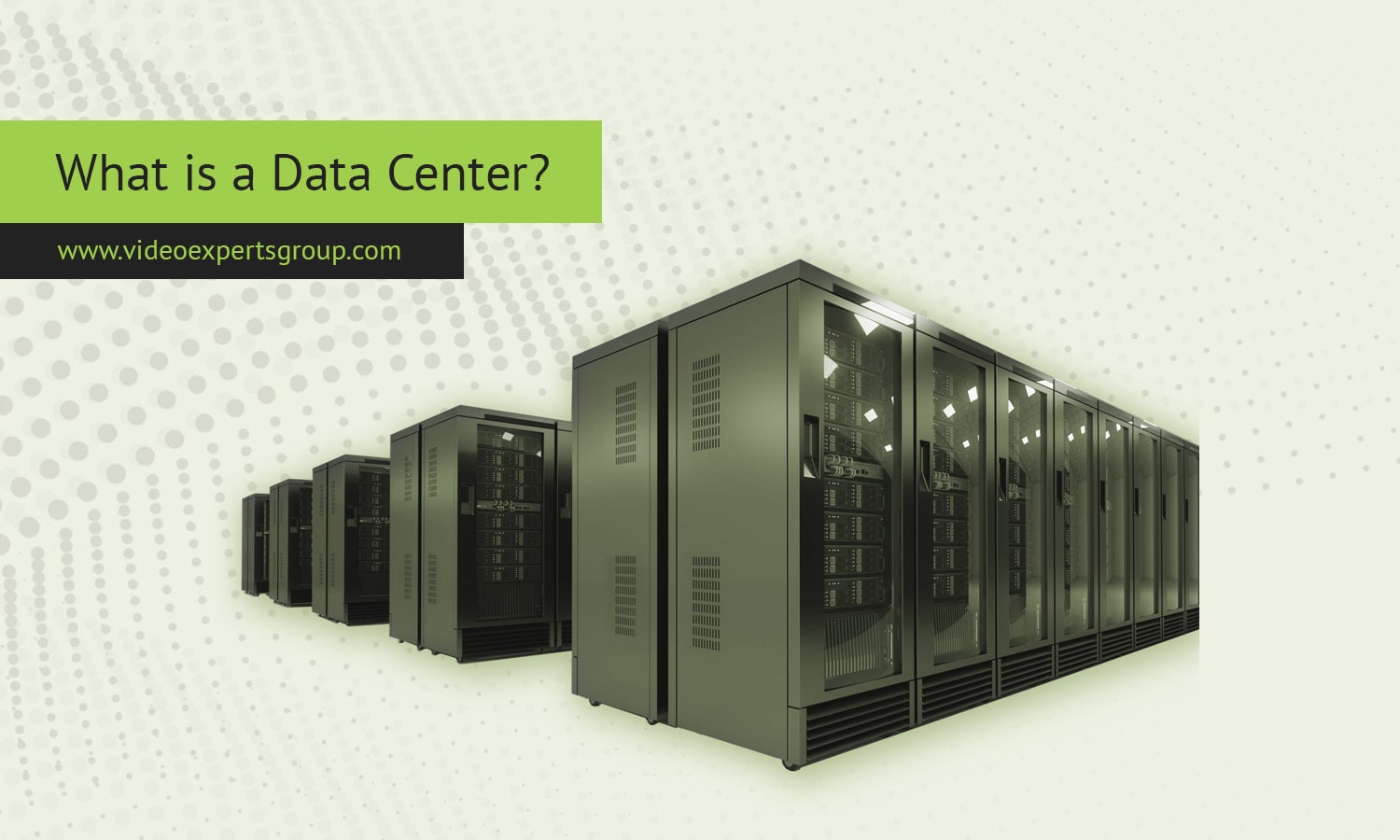
In the modern digital world, almost every online action depends on invisible infrastructure working around the clock. From sending emails and streaming videos to running business applications and storing sensitive records, all of this activity relies on secure and powerful facilities known as data centers. Although most people never see them, data centers are the backbone of today’s connected economy and digital services.
Meaning
A data center is a specialized physical facility designed to house computing systems and related equipment used for processing, storing, and managing data. It contains servers, storage systems, networking devices, and supporting infrastructure that keep digital services running reliably. Data centers are built with strict requirements for power, cooling, security, and connectivity to ensure that data remains available and protected at all times.
Unlike a simple server room, a data center is engineered to operate continuously, often 24 hours a day, seven days a week. It is designed to handle high workloads, large volumes of data, and critical applications that businesses and organizations depend on.
What a data center does
The primary role of a data center is to support the lifecycle of data, from creation and processing to storage and delivery. Data centers run applications, host websites, manage databases, and enable communication between users and digital services. When you log in to a cloud platform, access a company system, or use an online service, your request is processed inside a data center.
Data centers also ensure data availability and reliability. They are designed with backup systems and redundancy so that services remain online even if hardware fails or power is interrupted. In addition, data centers play a major role in protecting information by applying physical and digital security measures to prevent unauthorized access or data loss.
Key components
A data center consists of several essential components that work together to keep systems operational and secure.
- Servers - Computers that run applications, process requests, and perform calculations.
- Storage systems - Devices that store data, including hard drives, solid-state storage, and backup systems.
- Networking equipment - Switches, routers, and cables that connect servers to each other and to external networks.
- Power infrastructure - Electrical systems, uninterruptible power supplies, and generators that ensure continuous power.
- Cooling systems - Air conditioning and airflow management solutions that prevent overheating.
- Security systems - Physical controls such as access badges and cameras, along with monitoring and management tools.
Each component is carefully planned to support performance, scalability, and reliability while minimizing downtime.
Types
Data centers come in different forms depending on ownership, size, and purpose.
- Enterprise data centers - Facilities owned and operated by a single organization to support its internal systems.
- Colocation data centers - Shared facilities where multiple companies rent space for their servers and equipment.
- Cloud data centers - Large-scale facilities operated by cloud service providers to deliver on-demand computing resources.
- Edge data centers - Smaller facilities located closer to users to reduce latency and improve performance.
Each type serves different business needs, from full control and customization to flexible and scalable cloud services.
Benefits
Using a data center offers many advantages for organizations of all sizes. One of the main benefits is reliability, as data centers are built with redundant systems to minimize service interruptions. They also provide strong security, combining physical protection with controlled environments and monitoring.
Scalability is another key benefit. Data centers allow businesses to expand their computing resources as their needs grow, without rebuilding infrastructure from scratch. Centralized management improves efficiency, making it easier to maintain systems, apply updates, and monitor performance. For many organizations, data centers also help meet compliance requirements by providing controlled and auditable environments for sensitive data.
Data center vs. Data warehouse
Although the terms are sometimes confused, a data center and a data warehouse serve different purposes. A data center is a physical facility that houses hardware and infrastructure. It supports many types of workloads, including applications, networking, and storage.
A data warehouse, on the other hand, is a specialized system used for storing and analyzing large volumes of structured data. It is designed for reporting, analytics, and business intelligence rather than running general applications. A data warehouse can be hosted inside a data center, but it represents a specific use of computing resources rather than the facility itself.
FAQs
