Full HD (FHD) Resolution Understanding
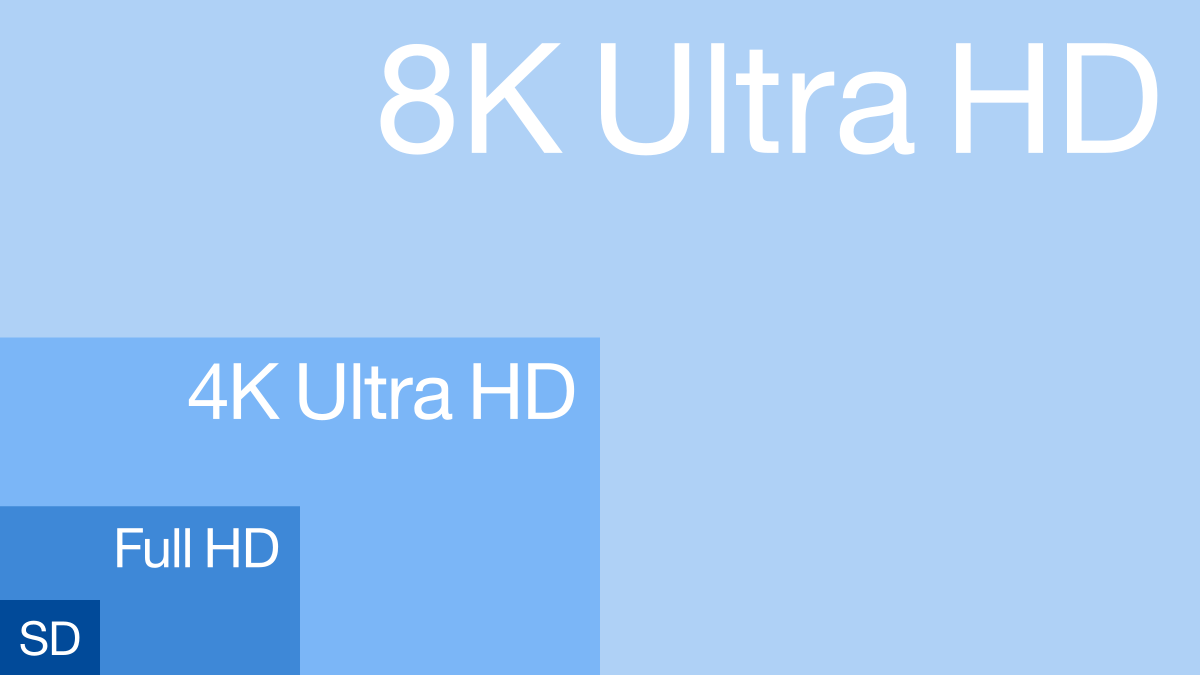
Modern screens — from smartphones to televisions — often come with various resolution labels that can be confusing. Among them, Full HD (FHD) remains one of the most popular and widely used standards worldwide. It offers a balance of clarity, performance, and affordability, making it the preferred choice for many users who seek high-quality visuals without the steep cost of 4K or Ultra HD displays.
Meaning
Full HD, or FHD, stands for Full High Definition, representing a display resolution of 1920 x 1080 pixels. This means the screen has 1,920 pixels horizontally and 1,080 pixels vertically, resulting in over 2 million pixels in total. FHD provides four times the detail of standard HD (720p), offering crisp and clear images suitable for movies, gaming, and general use.
The 16:9 aspect ratio, typical of FHD displays, delivers a widescreen experience ideal for video playback and gaming, where a wide field of view enhances immersion.
Key Characteristics
Full HD resolution combines visual sharpness with reasonable hardware efficiency, making it ideal for a broad range of devices. Some defining features include:
- Balanced Clarity: Offers high-quality visuals without overloading system resources.
- Widespread Compatibility: Supported by almost all devices, including TVs, laptops, monitors, and smartphones.
- Cost-Effective: More affordable than higher resolutions such as 4K or Ultra HD.
- Efficient Performance: Requires less processing power, making it suitable for mid-range graphics cards and processors.
- Excellent for Streaming: Many online platforms stream at 1080p, ensuring optimal viewing quality.
Full HD vs. 4K
While Full HD (1920 x 1080) remains the standard for many screens, 4K (3840 x 2160) has become increasingly popular for its enhanced detail. However, there are key differences:
- Resolution: 4K has four times more pixels than FHD, resulting in greater image sharpness.
- Performance: 4K demands more processing power, bandwidth, and storage space.
- Cost: 4K devices and media are typically more expensive.
- Practicality: On smaller screens, the difference between FHD and 4K is minimal to the naked eye.
For users who prioritize affordability and smooth performance, FHD remains a smart and efficient choice, especially for laptops, streaming, and general entertainment.
Full HD vs. HD
The difference between Full HD (1080p) and HD (720p) lies primarily in resolution and image clarity.
- Full HD (1920 x 1080) has over twice the pixels of HD (1280 x 720).
- FHD produces more detail, making it better suited for larger screens.
- HD, while still clear on smaller devices, appears softer and less defined on bigger displays.
In short, Full HD delivers sharper visuals, richer colors, and a more enjoyable viewing experience, particularly on TVs and monitors larger than 24 inches.
Full HD vs. Ultra HD
The term Ultra HD (UHD) typically refers to 4K resolution (3840 x 2160). While both FHD and UHD provide excellent image quality, they serve different purposes:
- UHD offers finer detail and greater color depth, ideal for large displays and high-end content creation.
- FHD consumes less power, bandwidth, and storage, making it more practical for streaming, gaming, and everyday computing.
- For most users, FHD provides sufficient clarity for daily tasks, while UHD is better for professionals or enthusiasts seeking superior detail.
FAQs
