Infrared Night Vision Security Camera: Complete Guide
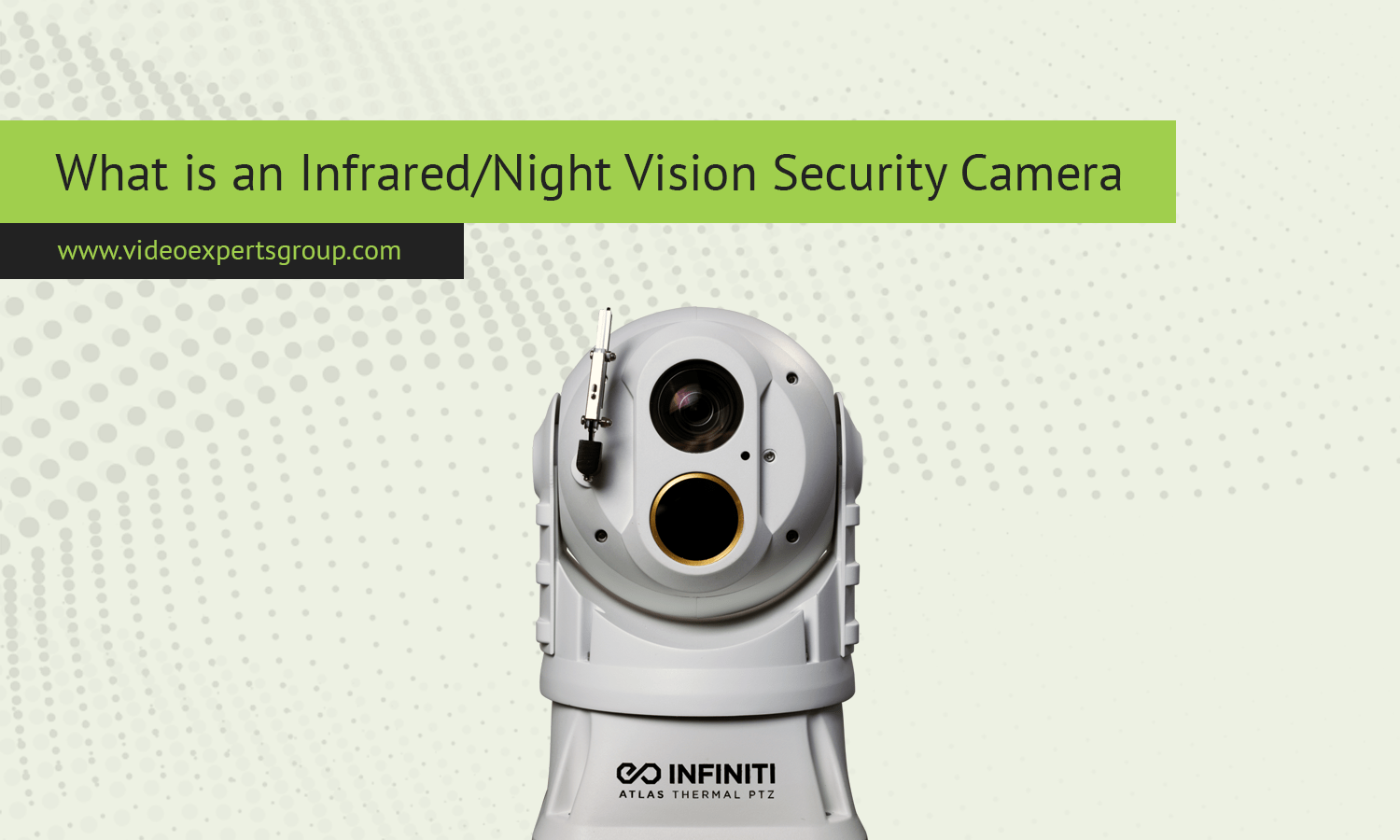
Infrared (IR) night vision security cameras have become a core element of modern video surveillance. They allow property owners, businesses, and security professionals to monitor areas even in total darkness, where standard cameras fail. Whether used for home protection, perimeter security, or industrial monitoring, IR cameras provide reliable visibility at night without the need for visible lighting.
Meaning
An infrared (night vision) security camera is a type of surveillance camera designed to capture clear images in low-light or zero-light conditions. Instead of relying solely on visible light, it uses infrared illumination and sensors that can detect infrared wavelengths. These wavelengths are invisible to the human eye, which makes IR cameras discreet while still being effective at night.
Most IR cameras automatically switch from color mode during the day to black-and-white mode at night. This transition allows the camera to maximize contrast and detail when visible light is not available.
How IR camera works
Infrared security cameras work by combining infrared LEDs, an image sensor, and an IR-cut filter. During daylight hours, the IR-cut filter blocks infrared light so colors appear natural and accurate. When light levels drop, the filter moves out of the way, allowing infrared light to reach the sensor.
Built-in infrared LEDs emit IR light that reflects off objects and surfaces in the camera’s field of view. The image sensor captures this reflected IR light and converts it into a monochrome image. Because infrared light reflects differently from visible light, the resulting image highlights shapes, movement, and edges rather than color details.
The effective range of an IR camera depends on LED power, lens quality, sensor sensitivity, and environmental factors such as fog, rain, or dust.
Key features
- Infrared LEDs that enable visibility in complete darkness without alerting intruders.
- Automatic day and night switching using an IR-cut filter for accurate daytime color and sharp nighttime images.
- IR range measured in meters or feet, indicating how far the camera can see in the dark.
- High-sensitivity image sensors that improve clarity and reduce noise in low-light scenes.
- Smart IR technology that adjusts LED intensity to prevent overexposure of nearby objects.
- Motion detection and alerts optimized for nighttime monitoring.
- Weather-resistant housings for outdoor use in harsh conditions.
Uses
Infrared night vision cameras are used in a wide range of security scenarios. Homeowners install them to protect yards, entrances, and garages after dark. Businesses rely on IR cameras to secure offices, warehouses, parking lots, and retail stores outside of working hours.
They are also common in industrial facilities, where safety and monitoring must continue around the clock. In public infrastructure, IR cameras help monitor perimeters, roads, and restricted zones. Even in rural areas, these cameras are useful for monitoring remote properties or detecting wildlife movement.
Advantages
- Provides clear visibility in total darkness.
- Works without visible light, keeping surveillance discreet.
- Reliable and proven technology with wide availability.
- Lower cost compared to advanced thermal imaging systems.
- Effective for both indoor and outdoor security applications.
Disadvantages
- Night images are usually black and white, with no color detail.
- Limited effectiveness in heavy fog, rain, or snow.
- Strong reflections from walls or objects can cause overexposure.
- IR range is finite and may not cover very large areas.
- Less effective than thermal cameras for detecting heat differences.
FAQs
