IoT (Internet of Things): Meaning, Applications, Devices
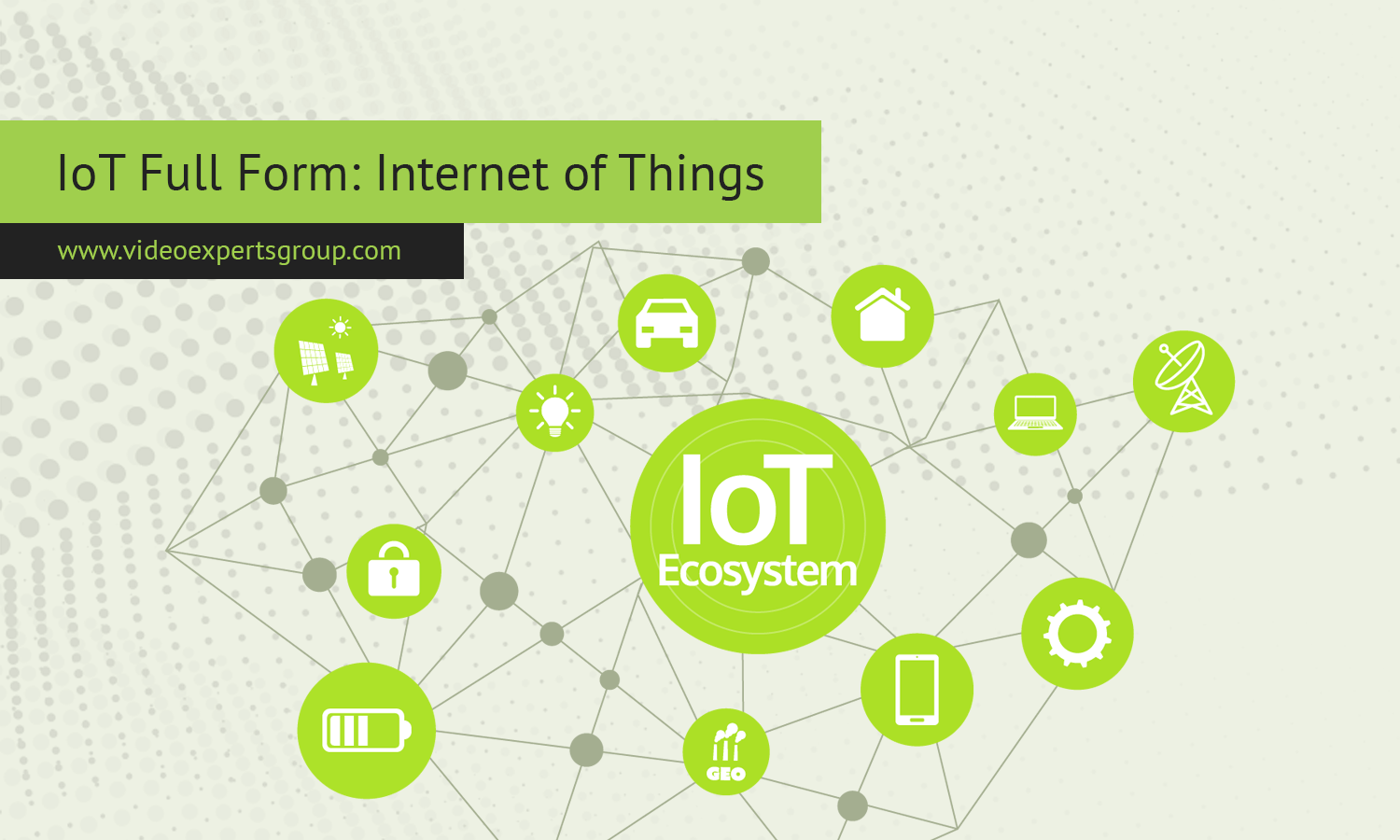
The term IoT, short for Internet of Things, describes a vast network of physical devices connected to the internet. These devices — ranging from smartphones and smartwatches to sensors and appliances — collect and exchange data, helping automate tasks and improve decision-making. The idea behind IoT is simple: everyday objects can become “smart” when they share information with each other through the internet, making systems more efficient and our lives more convenient.
Meaning
The Internet of Things refers to the interconnection of computing devices embedded in ordinary objects, enabling them to send and receive data without human intervention. This technology allows physical items to sense, communicate, and act based on collected information. For example, a smart thermostat can learn your temperature preferences and automatically adjust heating or cooling to save energy. At a larger scale, IoT powers smart cities, industrial automation, and connected healthcare systems.
IoT Applications
IoT technology has found its place in almost every industry and aspect of modern life. Some of the most notable applications include:
- Smart Homes: Devices such as smart lights, thermostats, and speakers improve comfort, security, and energy efficiency.
- Healthcare: Wearable devices monitor heart rate, blood pressure, and sleep, providing real-time health insights.
- Transportation: Connected vehicles share data to enhance navigation, safety, and fleet management.
- Agriculture: Smart sensors monitor soil conditions, irrigation, and crop health to increase yield and reduce waste.
- Industrial IoT (IIoT): Manufacturing and logistics companies use IoT systems to track equipment performance and streamline operations.
- Smart Cities: Sensors help manage traffic, waste, and utilities, creating more sustainable and efficient urban environments.
IoT Devices
IoT devices come in many forms, from simple sensors to complex machines. Common examples include:
- Smart thermostats and lighting systems
- Security cameras and smart doorbells
- Fitness trackers and medical wearables
- Smart refrigerators and washing machines
- Industrial robots and machine sensors
- Connected cars and drones
Each device collects data through sensors, processes it locally or in the cloud, and takes action based on the analysis. This process helps optimize performance, predict issues, and enhance user experience.
Benefits
The Internet of Things offers a wide range of benefits to individuals, businesses, and governments. Key advantages include:
- Automation and Efficiency: Tasks are performed automatically, saving time and reducing human error.
- Cost Savings: Predictive maintenance and optimized operations lower expenses.
- Improved Decision-Making: Real-time data provides valuable insights for better choices.
- Enhanced Safety and Security: IoT-enabled systems can detect threats and respond quickly.
- Sustainability: Energy and resource monitoring help reduce environmental impact.
FAQs
