What is a Network IP Camera?
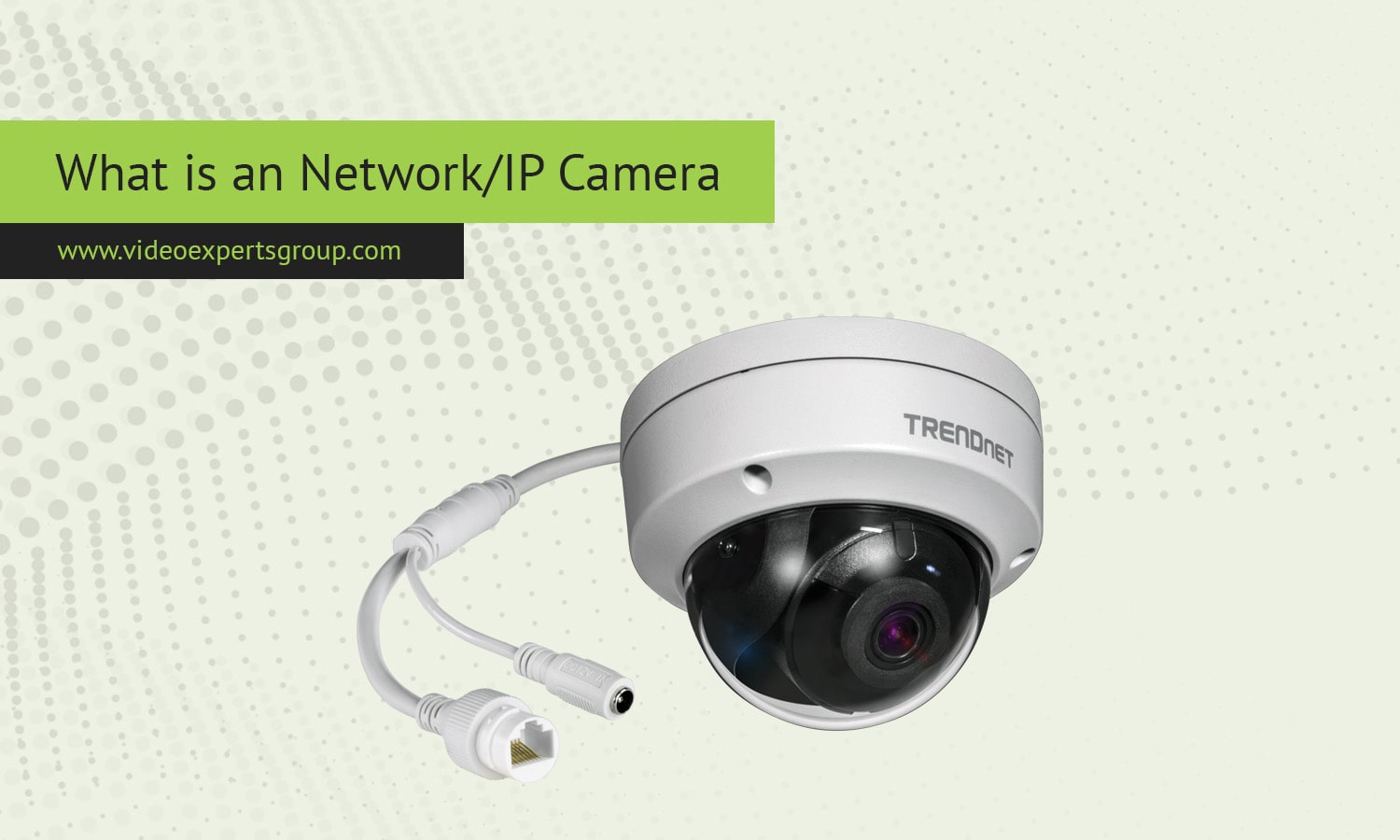
Video surveillance has evolved far beyond traditional analog systems. Today, most modern security solutions rely on network based technologies that offer better image quality, remote access, and smarter features. One of the most important components of these systems is the Network IP camera. Found in homes, businesses, and public spaces, Network IP cameras have become a standard choice for reliable and scalable video monitoring.
Meaning
A Network IP camera, also known as an Internet Protocol camera, is a digital video camera that captures footage and transmits it over a computer network. Instead of sending analog signals to a recorder, the camera processes video internally and delivers it as digital data using standard network protocols.
Each Network IP camera has its own IP address, which allows it to communicate directly with network devices such as routers, switches, network video recorders, or servers. This design makes IP cameras independent devices that do not rely on a central analog controller to function.
Key features
- High resolution digital video capture.
- Unique IP address for direct network communication.
- Support for wired Ethernet connections.
- Remote access through computers and mobile devices.
- Advanced compression for efficient bandwidth usage.
- Built in motion detection and alerts.
- Compatibility with network video recorders and cloud storage.
Many Network IP cameras also support additional functions such as night vision, audio input, and intelligent video analytics, depending on the model.
How Network IP camera works
A Network IP camera works by capturing video through its image sensor and converting it into a digital format. The camera compresses this data and sends it over the network using Ethernet cables or network switches. Because the processing happens inside the camera, it does not need a separate encoder.
The video stream can be viewed live or recorded on a network video recorder, a local server, or a cloud platform. Users can access the camera remotely by entering its IP address or through dedicated software and mobile apps.
Power is often supplied using Power over Ethernet technology, which allows both power and data to travel through a single network cable. This simplifies installation and reduces the need for additional wiring.
Common uses
Network IP cameras are widely used in commercial and industrial environments. Offices and retail stores use them to monitor entrances, sales floors, and storage areas. Warehouses and factories rely on IP cameras to improve safety and oversee operations.
In residential settings, Network IP cameras provide home security, baby monitoring, and property surveillance. Public spaces such as airports, schools, hospitals, and transportation hubs also depend on IP cameras for large scale security systems.
They are also common in smart city projects, where cameras are integrated with traffic monitoring, access control, and data analytics platforms.
Advantages
One of the main advantages of Network IP cameras is image quality. Because they capture and transmit digital video, they can deliver much higher resolutions than traditional analog cameras.
Scalability is another key benefit. New cameras can be added to the network without major infrastructure changes. Each camera operates independently, making system expansion easier.
Remote access and smart features also add value. Users can view live footage, receive alerts, and manage recordings from almost anywhere. Integration with other network systems allows for advanced security solutions.
Disadvantages
Despite their strengths, Network IP cameras also have some drawbacks. They generally cost more than basic analog cameras, especially models with advanced features.
They require proper network configuration and sufficient bandwidth. Poor network design can lead to delays, dropped frames, or reduced image quality.
Cybersecurity is another concern. Since IP cameras are connected to networks, they must be secured with strong passwords and regular updates to prevent unauthorized access.
IP camera vs. Wi-Fi camera
The terms IP camera and Wi-Fi camera are often confused, but they are not exactly the same. A Network IP camera typically refers to a camera connected through a wired Ethernet network. It offers stable performance, consistent bandwidth, and is commonly used in professional installations.
A Wi-Fi camera is a type of IP camera that connects wirelessly to the network. While Wi-Fi cameras are easier to install and more flexible in placement, they depend heavily on wireless signal quality.
Wired Network IP cameras are generally more reliable and secure, especially in large systems. Wi-Fi cameras are better suited for smaller setups or locations where running cables is difficult.
FAQs
