VTS (Vehicle Tracking System) Understanding
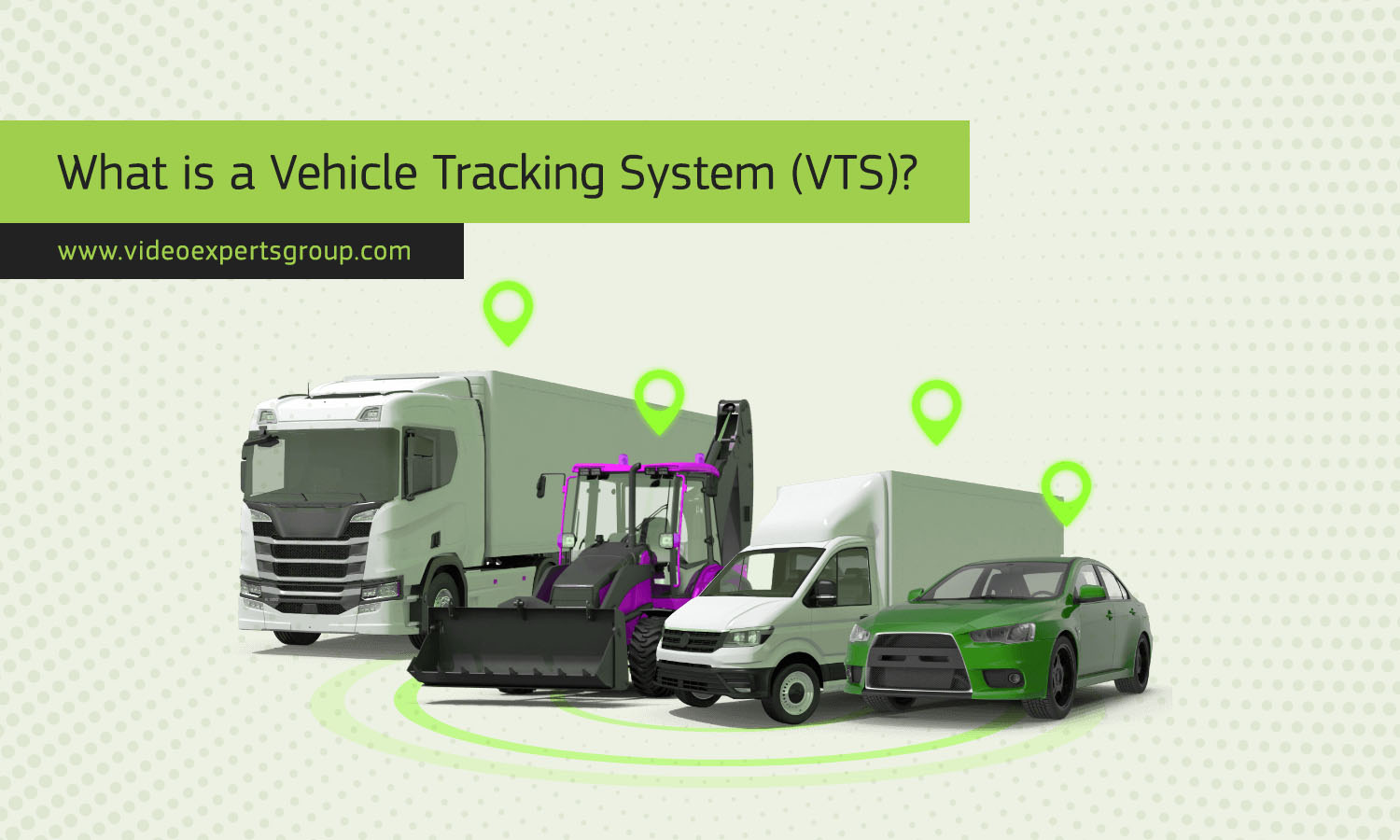
GPS vehicle tracking systems have moved far beyond simple location pins on a map. Today they are full-scale tools for safety, operations, compliance, and cost control. From single-car owners to global fleets with thousands of vehicles, GPS-based vehicle tracking systems, often called VTS, help answer one critical question at any moment: where is the vehicle and what is it doing right now? This article explains vehicle tracking systems in plain language, shows how they work behind the scenes, breaks down their core components, and reviews popular solution categories so you can understand which type fits your needs.
Meaning
A vehicle tracking system is a combination of hardware, software, and network services that collect and transmit data about a vehicle’s location, movement, and status. The system relies on signals from Global Positioning System satellites to calculate the vehicle’s position and then sends this information to a central platform where it can be viewed, analyzed, and stored.
In practice, a VTS does much more than show dots on a map. It can track speed, direction, stops, idle time, routes taken, engine data, fuel usage, and even driver behavior. For businesses, it becomes a real-time operations dashboard. For individual users, it adds peace of mind, theft recovery, and basic trip history.
How VTS works
A vehicle tracking system starts with a GPS tracking device installed in the vehicle. This device receives signals from multiple GPS satellites orbiting the Earth. By measuring how long the signals take to arrive, the tracker calculates its exact position.
Once the location is calculated, the tracker sends the data through a communication network, usually cellular, sometimes satellite for remote areas, or occasionally radio-based systems. The data is transmitted at set intervals or triggered by events such as ignition on, harsh braking, speeding, or entering a defined area.
The transmitted data reaches a backend server where it is processed and stored. Users access this information through a web dashboard or mobile app. From there, they can view live locations, replay routes, generate reports, and receive alerts. The entire process happens continuously, often updating every few seconds.
Key components
GPS tracking device
This is the physical unit installed in the vehicle. It includes a GPS receiver, a communication module, memory, and sometimes sensors. Trackers can be plug-and-play devices, hardwired units, or battery-powered options.
Communication network
Most modern VTS solutions use cellular networks to transmit data. In areas without reliable cellular coverage, satellite communication can be used. The choice of network affects coverage, cost, and update frequency.
Backend server and software
The server receives incoming data, processes it, and stores it securely. The software layer turns raw coordinates into maps, reports, alerts, and insights that users can understand and act on.
User interface
This is the web portal or mobile app where users interact with the system. A good interface makes it easy to find vehicles, review history, set alerts, and export reports without technical knowledge.
Sensors and integrations
Advanced systems connect to vehicle sensors, cameras, fuel probes, or onboard diagnostics ports. These integrations expand the system from simple tracking into full fleet management.
Benefits
- Real-time visibility into vehicle locations and movement.
- Improved driver safety through speed, braking, and behavior monitoring.
- Lower fuel and maintenance costs by reducing idle time and inefficient routes.
- Faster response to theft, breakdowns, or emergencies.
- Accurate records for compliance, billing, and reporting.
- Better customer service through reliable arrival times and route transparency.
For many organizations, the biggest benefit is control. Instead of guessing where vehicles are or relying on phone calls, managers see the full picture instantly.
Top VTS solutions
Best Overall
Verizon Connect – A widely recognized all-in-one fleet GPS tracking and management platform that offers robust real-time vehicle location, route optimization, driver behavior insights, compliance support, and deep analytics. It scales from small fleets to large enterprises and is often recommended for full fleet operations where both tracking and management are needed.
LiveViewGPS – A versatile option trusted by both businesses and individual users, combining real-time tracking with flexible installation options and a straightforward interface that suits mixed fleets.
Best for Safety
Azuga – A safety-focused fleet management platform that combines GPS tracking with driver behavior monitoring, AI-powered dash cams, scoring systems, and gamification to improve driver habits and reduce accident risk. It is designed to help teams coach drivers toward safer conduct on roads.
Samsara – A comprehensive solution that offers deep safety tools such as AI-integrated video telematics, real-time incident detection, and behavior analytics, making it ideal for fleets where safety is a top priority.
Best for Commercial/Trucking
Motive (formerly KeepTruckin) – Known for strong regulatory compliance features including ELD (electronic logging device), hours-of-service tracking, IFTA reporting, and integration with truck operations. It supports long-haul fleets with specialized trucking needs.
Geotab – A scalable commercial fleet solution with powerful analytics and customizable dashboards, often chosen for large trucking operations that need deep data reporting and integration with third-party systems.
Best for Small Businesses
US Fleet Tracking – A cost-effective GPS fleet platform that offers essential real-time tracking, alerts, and reporting with straightforward pricing and an easy-to-use interface, suitable for small and growing fleets.
GPSTrackit – Recommended for new users and small businesses that want simple setup, solid tracking, and reliable alerts with minimal complexity and predictable pricing.
Best for Construction
Teletrac Navman – A fleet tracking system with strong tools for heavy equipment and off-road asset visibility, geofencing job sites, and monitoring utilization across construction projects. Users appreciate the detailed reporting tied to equipment productivity and usage patterns.
Motive – Also fits construction fleets due to its compliance and mobile asset tracking capabilities, helping site managers control vehicles and heavy machinery efficiently.
Best for Affordable
OneStep GPS – A budget-friendly GPS tracking solution that provides real-time location updates, smart alerts, and easy installation without long contracts. Its low cost and simple interface make it a good choice for small firms watching their expenses.
SpaceHawk GPS – A straightforward and affordable vehicle tracking system noted in fleet user discussions for reliable real-time updates and geofencing at a lower entry-cost point than many enterprise systems.
FAQs
