What is PSIM? Meaning, Software Vendors
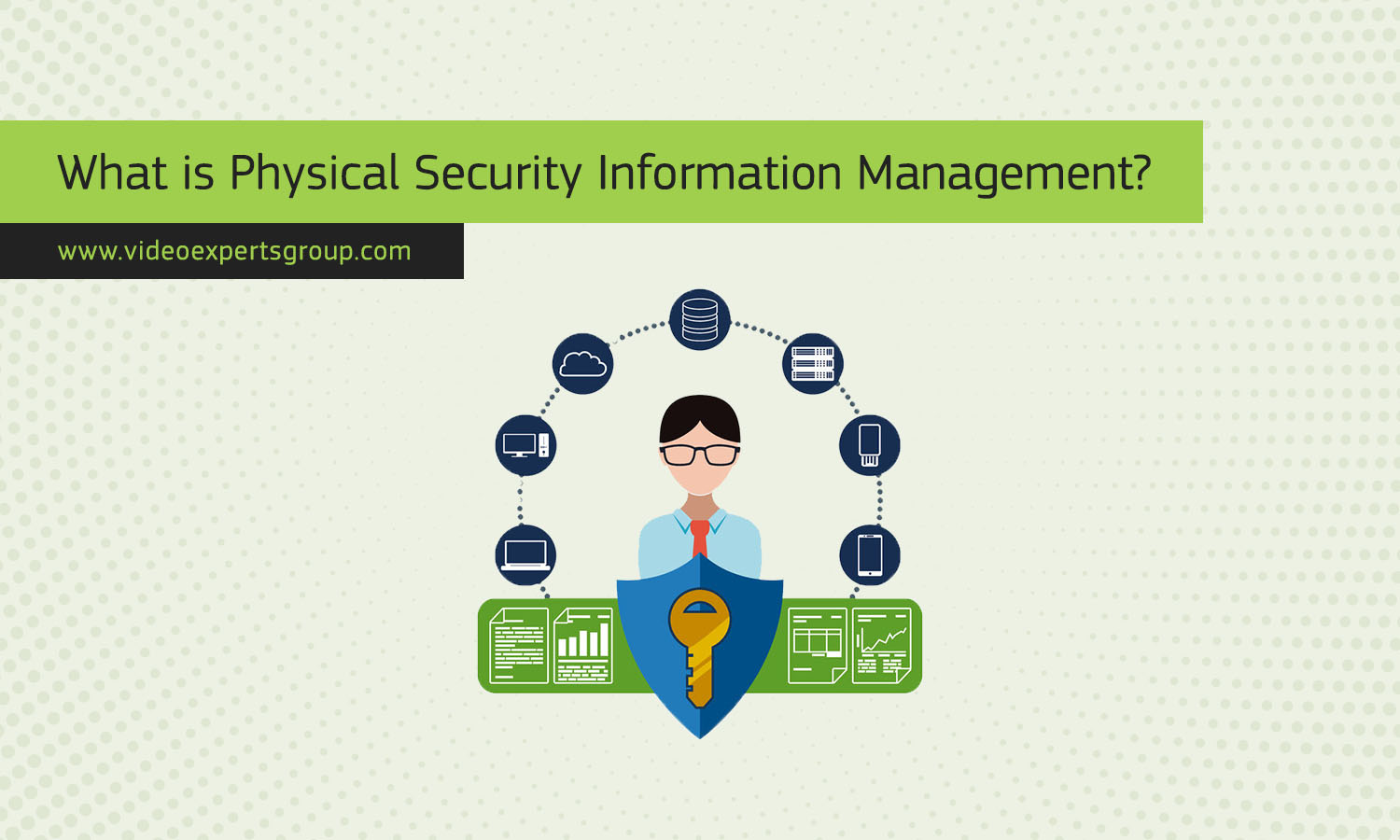
Modern security environments are becoming more complex every year. Organizations rely on video surveillance, access control, intrusion detection, fire alarms, and many other systems to protect people and assets. When these systems operate independently, security teams often struggle with fragmented information and slow response times. Physical Security Information Management, commonly known as PSIM, was created to solve this challenge by bringing multiple security technologies together into a single operational view.
Meaning
PSIM stands for Physical Security Information Management. It is a category of software designed to collect, process, and manage data from different physical security systems through one centralized interface. Instead of switching between multiple applications, operators can monitor events, follow procedures, and respond to incidents from a single platform.
At its core, PSIM acts as a coordination layer. It does not usually replace existing security systems but connects to them. By normalizing data from cameras, access readers, sensors, and alarms, PSIM helps security teams understand what is happening in real time and decide what actions to take.
Key functions
- Integration of video surveillance, access control, alarms, and sensors.
- Real-time event monitoring and correlation.
- Incident management with step-by-step response workflows.
- Centralized dashboards and situational awareness views.
- Automated alerts and notifications.
- Reporting, auditing, and compliance support.
- Map-based visualization of assets and events.
One of the most valuable functions of PSIM is event correlation. For example, when an access door is forced open, the system can automatically display nearby camera feeds, trigger alerts, and guide the operator through predefined response steps.
Benefits
The main benefit of PSIM is improved situational awareness. By combining data from multiple sources, security teams gain a clearer understanding of incidents as they unfold. This reduces confusion and helps prevent missed or delayed responses.
PSIM also improves efficiency. Operators spend less time navigating separate systems and more time focusing on decision-making. Automated workflows ensure that procedures are followed consistently, which is especially important in high-risk or regulated environments.
Another important benefit is scalability. As organizations grow and add new security technologies, PSIM provides a structured way to integrate them without overloading staff with additional tools.
Common users
PSIM solutions are typically used by organizations with complex security requirements and large physical footprints. These include airports, seaports, public transportation networks, and smart cities, where many systems must work together seamlessly.
Critical infrastructure operators such as utilities, data centers, and energy facilities also rely on PSIM to protect assets and ensure continuity. Large enterprises, campuses, hospitals, and government facilities are other common users, particularly where centralized command and control centers are in place.
PSIM software vendors
The PSIM market includes a range of specialized software vendors that focus on physical security integration and management. These vendors typically offer flexible platforms that support a wide variety of third-party systems.
Well-known PSIM software vendors include companies that focus on enterprise security management, critical infrastructure protection, and command center operations. Their solutions differ in terms of scalability, supported integrations, user interface design, and deployment models. Some platforms are optimized for large national or city-wide deployments, while others are designed for corporate or campus-level security operations.
When evaluating PSIM vendors, organizations usually consider factors such as integration capabilities, ease of use, customization options, vendor support, and long-term development roadmap.
FAQs
