Video Analytics in CCTV: Meaning, Types, Benefits
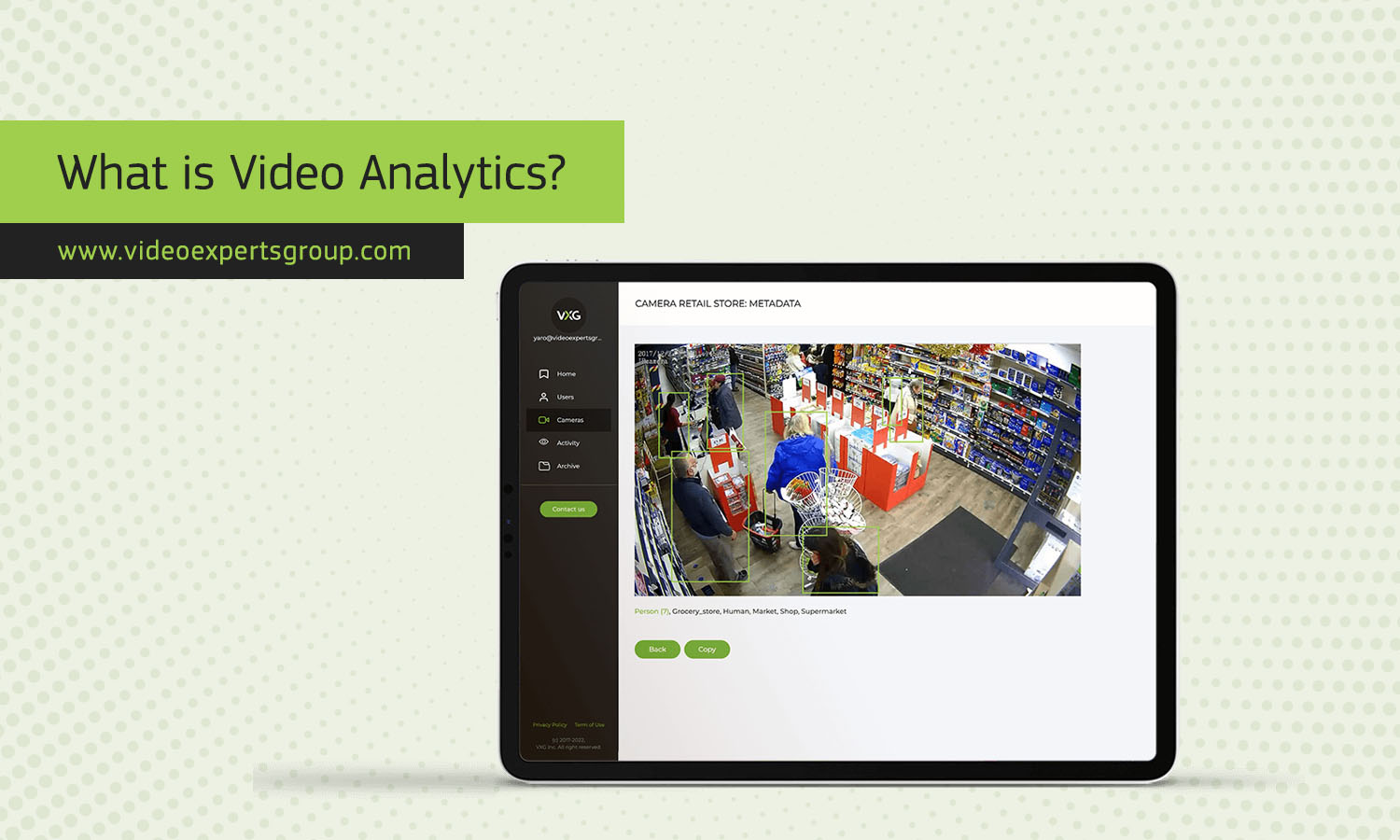
Video analytics has become one of the most important developments in modern CCTV systems. Traditional video surveillance relied heavily on human operators watching multiple screens, which was time-consuming and prone to errors. Video analytics changes this approach by allowing cameras and recording systems to automatically analyze video streams, detect events, and provide actionable insights. Today, video analytics is widely used not only for security, but also for safety, operations, and business intelligence.
Meaning
Video analytics in CCTV refers to the use of software algorithms to automatically analyze video footage captured by surveillance cameras. The system identifies patterns, behaviors, objects, or events of interest without constant human monitoring. Instead of simply recording video for later review, analytics-enabled systems can understand what is happening in real time or during playback.
In practical terms, video analytics transforms CCTV from a passive recording tool into an active monitoring solution. It can recognize motion types, detect specific objects, track people or vehicles, and trigger alerts when predefined rules are violated. This makes surveillance more proactive, accurate, and scalable.
How it works
Video analytics works by processing video streams through specialized software, which may run inside the camera, on a local recorder, or on a centralized server. The process usually follows several key steps.
- Video capture. Cameras continuously capture visual data in the form of video frames.
- Preprocessing. The system improves image quality, reduces noise, and adjusts for lighting changes to ensure accurate analysis.
- Feature detection. Algorithms identify key elements such as shapes, movement patterns, colors, or trajectories.
- Classification. Detected elements are classified as people, vehicles, objects, or background activity.
- Rule evaluation. The system compares detected behavior against predefined rules, such as crossing a virtual line or staying in an area too long.
- Action and alerting. When a rule is triggered, the system can generate alerts, record clips, display notifications, or integrate with other security systems.
Modern video analytics often uses artificial intelligence and machine learning, allowing the system to improve accuracy over time and reduce false alarms caused by shadows, weather, or irrelevant motion.
Benefits
The adoption of video analytics in CCTV brings a wide range of advantages for security teams and organizations.
- Improved security. Automated detection helps identify threats faster and reduces response time.
- Reduced human workload. Operators no longer need to watch screens continuously, allowing them to focus on critical events.
- Fewer false alarms. Intelligent filtering distinguishes between real threats and harmless activity.
- Scalability. One operator can manage dozens or hundreds of cameras with analytics support.
- Operational insights. Analytics can provide data on crowd flow, vehicle usage, or customer behavior.
- Cost efficiency. Early detection of incidents can prevent losses and reduce long-term security costs.
These benefits make video analytics valuable not only for security, but also for safety management and business optimization.
Types
Video analytics includes a variety of functions, each designed to detect specific events or behaviors. The most common types include the following.
Motion detection
Detects movement within a defined area. Basic motion detection is often used to trigger recording or alerts when activity occurs.
Object detection and classification
Identifies and categorizes objects such as people, vehicles, or unattended items, enabling more precise monitoring.
Line crossing and intrusion detection
Uses virtual lines or zones to detect when someone enters or exits a restricted area.
Facial recognition
Analyzes facial features to identify or verify individuals based on stored images, commonly used in access control and investigations.
License plate recognition
Automatically reads vehicle license plates for parking management, traffic control, or security checks.
Behavior analysis
Detects unusual actions such as loitering, running, or crowd formation, which may indicate potential risks.
People counting and heat mapping
Counts individuals and analyzes movement patterns, often used in retail and public spaces.
Examples
Video analytics is used across many industries and environments.
- Retail stores use people counting and heat maps to understand customer behavior and optimize store layouts.
- Airports rely on intrusion detection and behavior analysis to enhance passenger safety.
- Parking facilities use license plate recognition for automated access and billing.
- Smart cities deploy traffic analytics to monitor congestion and improve road safety.
- Warehouses apply analytics to detect unauthorized access and improve operational safety.
These examples show how video analytics extends beyond traditional security and supports smarter decision-making.
FAQs
