ADSL: Meaning, Advantages, Disadvantages, Comparison
Before fiber and high speed cable reached many areas, ADSL was the technology that brought always on internet into homes using the same phone lines people already had. Even today, in smaller towns and rural regions, ADSL still connects millions of users. It is not the fastest option anymore, but it remains important because it is widely available and relatively affordable. Understanding how ADSL works and how it compares to other DSL types helps you decide whether it still fits your needs or if it is time to upgrade.
Meaning
ADSL stands for Asymmetric Digital Subscriber Line. It is a type of DSL broadband technology that delivers internet over traditional copper telephone lines. The word asymmetric means the download speed is higher than the upload speed. This design reflects typical home internet use, where people download far more data than they upload, such as when streaming video, browsing websites, or downloading files.
DSL Technologies
DSL technology encompasses a few variations, each designed for specific use cases or environments. The primary DSL types include:
-
ADSL (Asymmetric Digital Subscriber Line): ADSL is the most common form of DSL for residential use. It offers higher download speeds than upload speeds, which is ideal for activities like streaming, browsing, and downloading content, as users typically consume more data than they upload.
-
SDSL (Symmetric Digital Subscriber Line): In contrast to ADSL, SDSL provides equal download and upload speeds. This is more suitable for business environments where file sharing, video conferencing, or uploading large amounts of data are essential.
-
VDSL (Very High Bitrate Digital Subscriber Line): VDSL offers faster speeds than both ADSL and SDSL, with higher download and upload rates. VDSL is capable of supporting more demanding services, like HD video streaming and online gaming, but is often only available in areas close to the service provider's infrastructure.
-
HDSL (High Bitrate Digital Subscriber Line): HDSL is typically used in business and enterprise settings to deliver high-speed connections over short distances. It is an older form of DSL and is gradually being replaced by faster technologies like VDSL.
How ADSL works
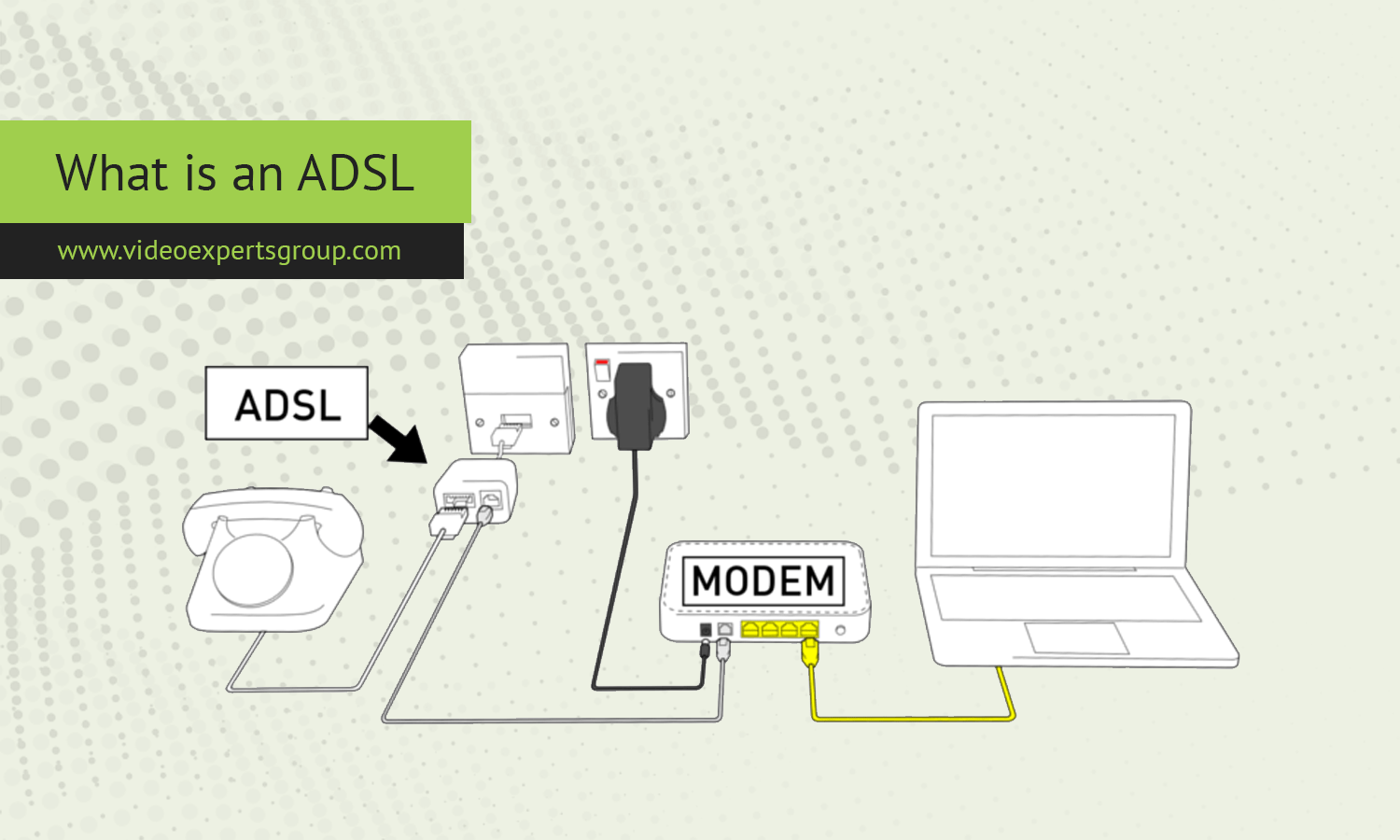
ADSL uses higher frequency bands on a copper phone line to transmit digital data, while lower frequencies remain available for voice calls. This allows users to talk on the phone and use the internet at the same time without interference. A small device called a splitter or microfilter separates voice signals from data signals inside the home. On the provider side, the line connects to equipment in the telephone exchange known as a DSLAM, which aggregates many subscriber lines and routes traffic to the wider internet. ADSL divides the available frequency spectrum into many small channels and adjusts how much data each channel carries depending on line quality. The closer you are to the exchange and the better the condition of the copper line, the higher the possible speed.
Key details
- Asymmetric speeds - Download rates are much higher than upload rates.
- Uses existing copper lines - No need for new cables in many cases.
- Distance sensitive - Speed drops as the distance from the exchange increases.
- Always on connection - No dial up process is required.
- Shared infrastructure - Performance can vary depending on network congestion.
- Typical speeds - Often from a few megabits per second up to around 24 Mbps on ADSL2+ under good conditions.
Advantages
- Wide availability, especially in areas without fiber or cable
- Lower cost compared to many high speed alternatives
- Simple installation using existing phone wiring
- Stable enough for browsing, email, and standard video streaming
- Allows simultaneous phone and internet use
Disadvantages
- Slower speeds compared to modern fiber and cable connections
- Upload speeds are limited, which affects cloud backups and large file sharing
- Performance depends heavily on distance from the exchange
- Copper lines are more prone to interference and signal loss
- May struggle with multiple high resolution streams at once
ADSL vs. SDSL
SDSL stands for Symmetric Digital Subscriber Line. The main difference is that SDSL offers equal upload and download speeds, while ADSL favors downloads. SDSL is often used by businesses that need to upload large amounts of data, host servers, or run video conferencing systems that depend on strong upstream performance. However, SDSL lines are typically more expensive and less common for residential use. ADSL remains more practical for typical households where downloading content is the main activity.
ADSL vs. VDSL
VDSL, or Very high bit rate Digital Subscriber Line, is a newer DSL technology that delivers much higher speeds than ADSL, especially over short distances. VDSL can support fast HD streaming, online gaming, and heavy home internet use more comfortably. The trade off is that VDSL performance drops sharply with distance and may require upgraded infrastructure closer to the user, such as street cabinets with fiber backhaul. ADSL works over longer distances from the exchange but at lower speeds, making it more suitable in areas where advanced infrastructure is not yet deployed.
FAQs
