Cloud vs Data Center: Which is Better for CCTV?
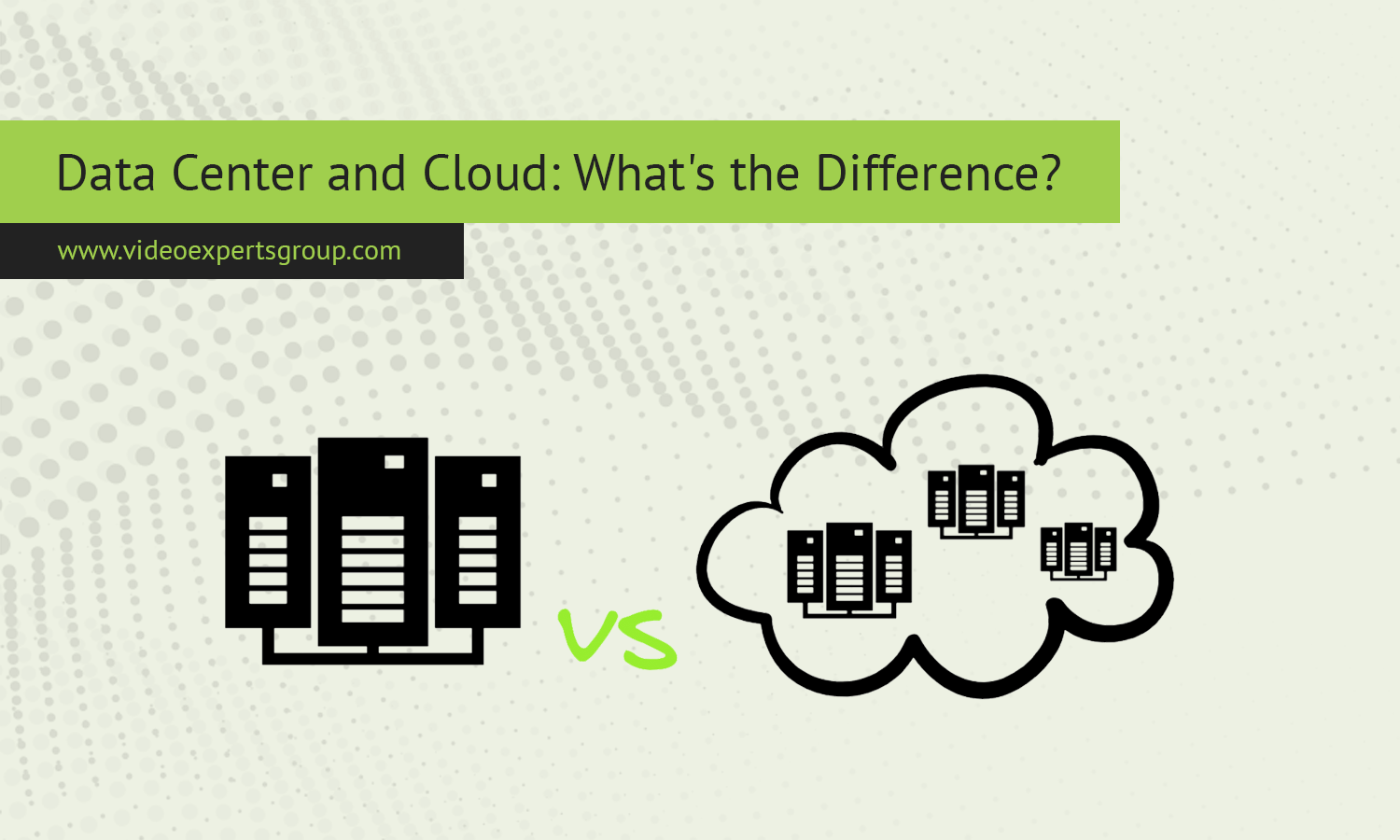
The rapid growth of video surveillance systems has pushed organizations to rethink where they store and process their CCTV footage. Modern security demands flexibility, uninterrupted access, and reliable data protection, which has sparked an ongoing debate: should businesses rely on cloud-based CCTV or stick to traditional data center hosted infrastructure? Each option has its own benefits and compromises, so the right choice depends on the scale of the installation, security requirements, network capacity, budget, and long term operational planning. This article compares both models in detail to help you understand how they work and which one better suits different CCTV environments.
Understanding Cloud Based CCTV Systems
Cloud based CCTV uses remote servers to store, process, and manage video footage. Instead of keeping hardware on site, organizations rely on cloud platforms that provide scalable storage and centralized access to recordings and live streams. This model has grown popular thanks to the flexibility it offers and its ability to support a large number of cameras without heavy local infrastructure.
Cloud CCTV systems typically operate through internet connected cameras that upload video directly to a cloud environment. Many modern cameras can encode and compress footage at the source, reducing bandwidth usage and improving overall performance. The cloud platform handles storage, retention policies, backups, and software updates, making the system easier to maintain.
Key features often include:
- Remote access through web or mobile applications.
- Automatic updates and regular security patches.
- Scalable storage that grows with the number of cameras.
- Built in redundancy to prevent data loss.
- Optional AI features such as motion detection, analytics, and event based recording.
Cloud systems work well for organizations that need easy deployment and predictable costs. However, they depend on internet connectivity, which means bandwidth planning is important, especially for high resolution cameras.
How Data Center Hosted CCTV Works
Data center hosted CCTV relies on on premises infrastructure where recording servers, network video recorders, and storage systems are physically located. This approach offers full control over hardware and data, making it a good fit for organizations that want maximum oversight or must follow strict security policies.
In this setup, CCTV cameras record footage to local servers situated either within the building or in an owned data center facility. The organization handles hardware maintenance, storage upgrades, backup planning, and security configurations. While this can require more resources, it also ensures that footage remains inside controlled environments and does not rely on remote servers.
Some advantages of data center hosted CCTV include:
- Full ownership of hardware and infrastructure.
- No dependency on external cloud providers.
- Local network recording with minimal impact on internet bandwidth.
- Potentially higher performance for high resolution or continuous recording.
- Easier compliance with certain regulations that restrict offsite data storage.
On the other hand, the organization must manage storage expansion, hardware replacement cycles, and redundant systems to prevent failures. This makes data center CCTV ideal for environments with dedicated IT staff and the need for strict control.
Key Differences Between Cloud and Data Center CCTV
Although both systems handle video storage and retrieval, they differ in several important ways. These differences can directly influence performance, cost efficiency, and operational workflow.
1. Storage location
Cloud CCTV stores footage in remote servers managed by a provider, while data center CCTV stores it locally on physical hardware owned by the organization. This difference affects data access, redundancy planning, and compliance.
2. Deployment and setup
Cloud platforms offer fast deployment with minimal hardware requirements. Data center CCTV needs rack space, cooling, uninterruptible power supplies, and networking equipment, which makes installation more complex.
3. Accessibility
Cloud CCTV offers seamless remote access, making it easy to manage footage from different locations. Data center systems can support remote access but often require VPNs or additional security setups.
4. Maintenance
Cloud providers handle software updates and storage management. Data center systems require ongoing monitoring, hardware upkeep, and manual upgrades.
5. Data control
Organizations with strict policies may prefer local infrastructure, while those prioritizing convenience and scalability may lean toward cloud solutions.
Cost, Scalability, and Performance Comparison
Choosing between cloud and data center CCTV often comes down to total cost of ownership, performance expectations, and long term scalability. Each approach impacts budgets differently and suits different operational strategies.
Cost factors
Cloud CCTV typically follows a subscription model, where organizations pay for storage, bandwidth, and optional features. This spreads costs over time and eliminates large upfront investments. Data center hosting requires purchasing servers, storage arrays, software licenses, and backup solutions. While the initial cost is higher, long term expenses may be lower for large scale installations.
Scalability
Cloud platforms make scaling easy. Organizations can add new cameras without significant changes to the infrastructure. Data center systems scale more slowly due to hardware limitations, which may require periodic upgrades or additional servers.
Performance
Data center CCTV usually offers lower latency because video traffic stays within the local network. This is useful for real time monitoring, especially with dozens of high resolution streams. Cloud CCTV can experience delays if the internet connection is weak, but high quality connections can deliver performance close to local systems.
Which CCTV Storage Option Is Best for Your Needs?
The right choice depends on the organization’s priorities and resources. For businesses looking for simplicity, fast setup, and remote accessibility, cloud CCTV provides a modern and flexible approach. It is suitable for multi site operations, retail chains, small businesses, and organizations without large IT departments.
Data center hosted CCTV remains a strong option when complete control over data is essential, or when recording large amounts of footage that could strain internet connections. It is ideal for critical infrastructure, government facilities, and enterprises with strict internal policies.
Many organizations choose a hybrid model, where essential footage is stored locally while additional recordings or long term archives are kept in the cloud. This combination provides both reliability and scalability.
FAQs
