What is LPDDR? Meaning, Comparison
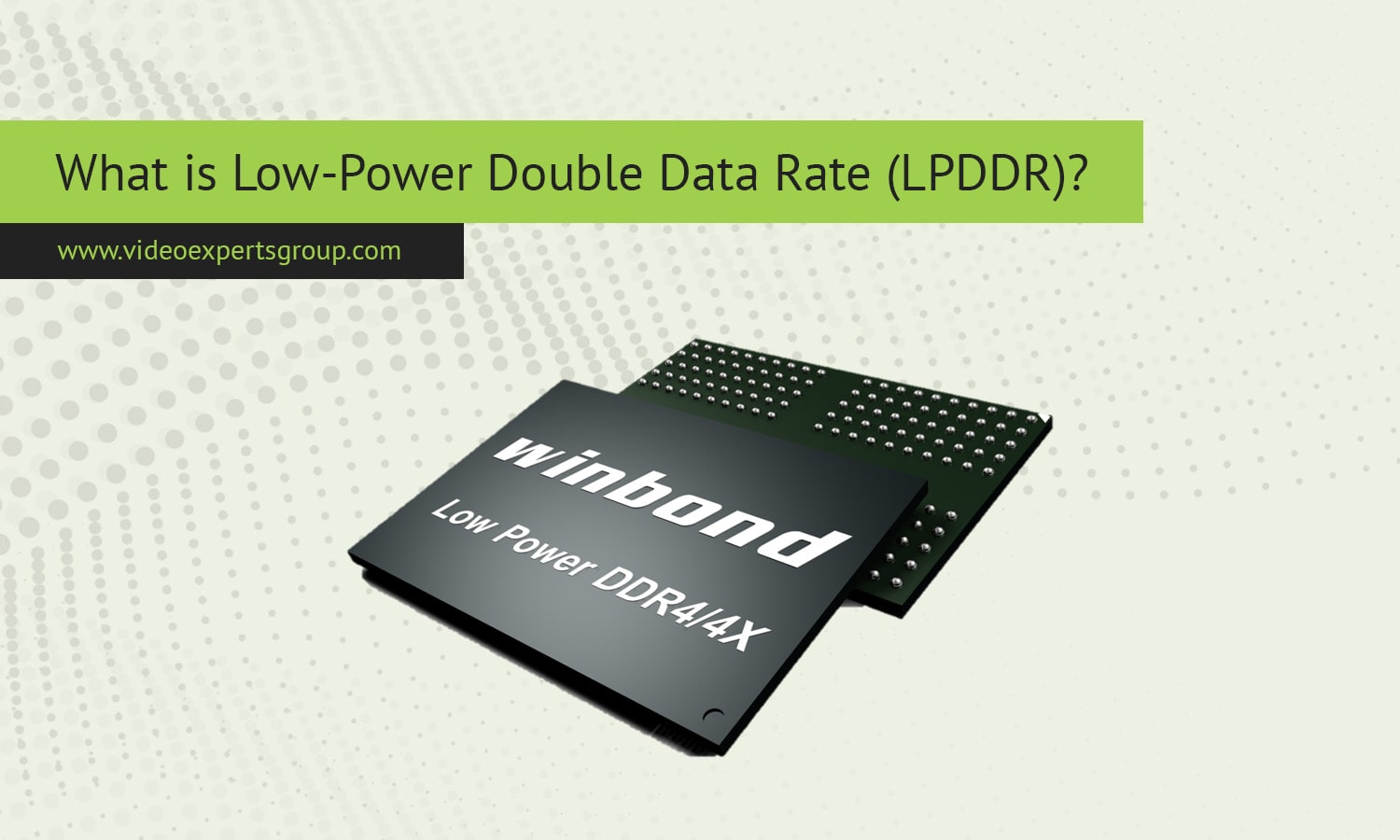
Modern devices are expected to be fast, responsive, and energy efficient at the same time. Smartphones last all day on a small battery, laptops run silently without large cooling systems, and embedded devices perform complex tasks in compact enclosures. A key technology behind this balance is LPDDR memory. It is designed specifically for systems where power efficiency matters just as much as performance.
Meaning
LPDDR stands for Low Power Double Data Rate memory. It is a type of dynamic random access memory developed for mobile and energy-sensitive devices. Like standard DDR memory, LPDDR transfers data on both the rising and falling edges of the clock signal, which improves bandwidth without increasing clock speed. The main difference lies in how LPDDR is optimized to reduce power consumption.
LPDDR is commonly found in smartphones, tablets, ultrabooks, wearables, and automotive systems. Over time, multiple generations have been released, such as LPDDR2, LPDDR3, LPDDR4, LPDDR4X, and LPDDR5. Each generation improves speed, efficiency, and power management while keeping heat output low.
Key characteristics
LPDDR memory is shaped by the needs of compact and battery-powered devices. Its design priorities differ from those of desktop or server memory.
- Lower operating voltage compared to standard DDR, which directly reduces energy use.
- Advanced power-saving states that allow memory to sleep when not actively used.
- High bandwidth relative to power consumption, especially in newer LPDDR generations.
- Typically soldered directly onto the motherboard to save space and improve signal integrity.
- Optimized for predictable workloads rather than constant heavy multitasking.
These characteristics make LPDDR an ideal choice for systems where efficiency and compact design outweigh the need for user-upgradable memory.
How LPDDR works
LPDDR operates on the same basic principles as other DRAM types. Data is stored in memory cells that must be refreshed regularly to retain information. What sets LPDDR apart is how it manages power at every stage of operation.
The memory controller dynamically adjusts voltage, frequency, and refresh behavior based on workload. When the system is idle or performing light tasks, LPDDR can enter deep sleep modes that dramatically reduce power draw. When performance is needed, it quickly ramps up bandwidth without a noticeable delay.
Newer LPDDR standards also use techniques such as per-bank refresh and fine-grained clock control. These features allow only the necessary parts of memory to remain active, while unused sections stay in low-power states. This approach helps extend battery life while maintaining smooth user experiences.
LPDDR vs. DDR
LPDDR and DDR memory serve different purposes, even though they share similar roots. DDR memory is designed for desktops, laptops, and servers where performance and capacity are priorities.
LPDDR uses lower voltages and aggressive power management, which makes it more energy efficient. DDR, on the other hand, operates at higher voltages and focuses on sustained performance over long periods. DDR modules are usually removable and upgradeable, while LPDDR is soldered directly onto the device.
In terms of performance, modern LPDDR versions can match or even exceed the bandwidth of older DDR generations. However, DDR still dominates scenarios that require large memory capacities, user upgrades, or continuous heavy workloads.
LPDDR vs. HBM
High Bandwidth Memory, or HBM, targets a very different segment than LPDDR. HBM is designed for extreme bandwidth and is commonly used in high-end graphics cards, accelerators, and data center hardware.
LPDDR prioritizes low power usage and compact integration, while HBM focuses on delivering massive data throughput. HBM achieves this by stacking memory layers vertically and placing them close to the processor using advanced packaging. This design is powerful but expensive and complex.
In contrast, LPDDR is far more cost-effective and suitable for mass-market devices. While it cannot match HBM in raw bandwidth, it excels in efficiency and practicality for everyday computing.
FAQs
