Mixed Reality (MR): Definition, Examples, Comparison
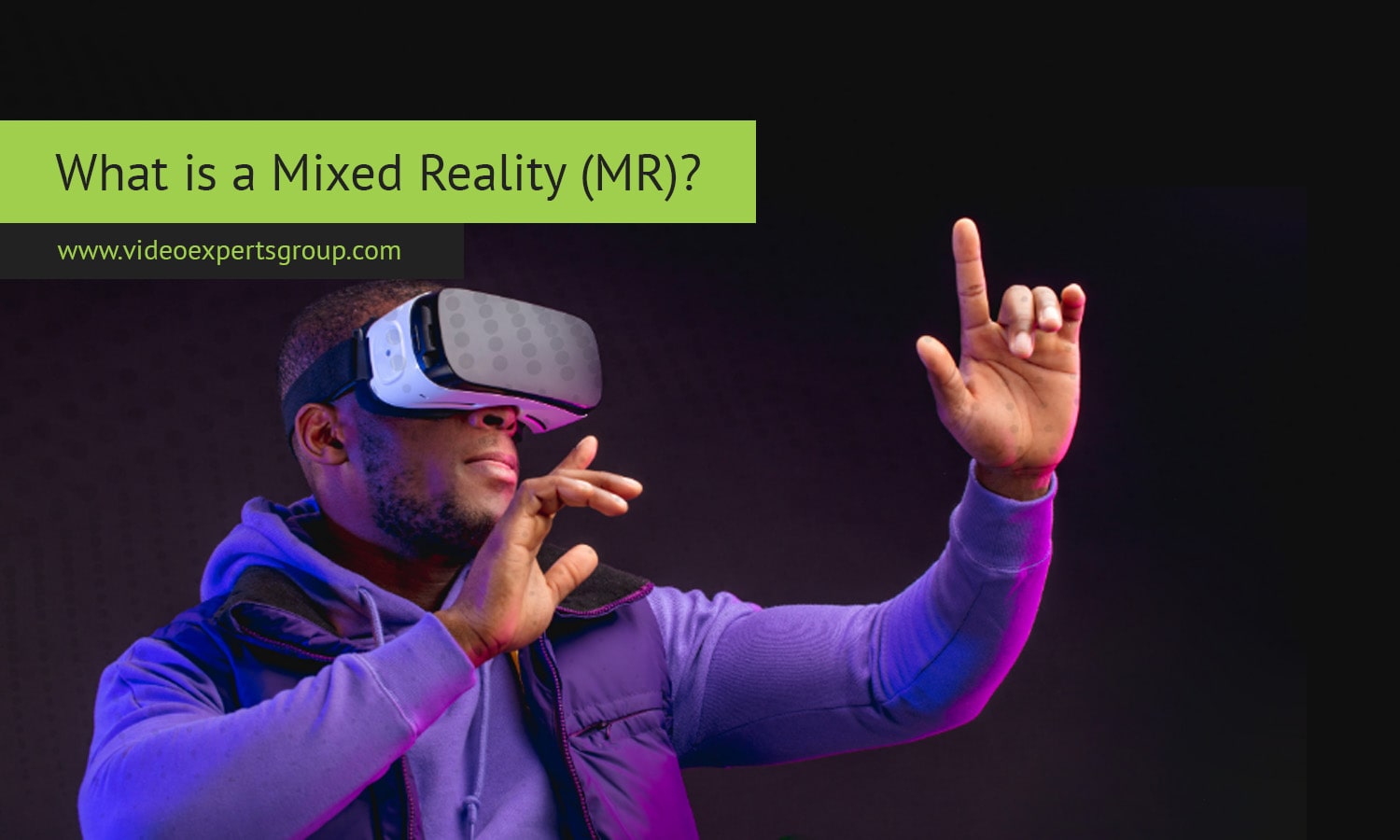
Mixed Reality is rapidly becoming one of the most exciting technologies shaping the future of digital interaction. It blends physical and digital worlds in a way that allows users to interact with virtual objects as if they truly exist in their environment. From industrial training to gaming and healthcare, MR is redefining how people perceive and engage with information. As hardware improves and software ecosystems expand, mixed reality is moving from experimental use cases into mainstream adoption.
Definition
Mixed Reality, often abbreviated as MR, is a technology that merges real and virtual environments, enabling physical and digital objects to coexist and interact in real time. Unlike traditional augmented reality, MR anchors digital elements to the physical world in a way that allows interaction, depth perception, and spatial awareness. Devices such as the Microsoft HoloLens 2 are commonly used to deliver these experiences.
Key features
One of the defining features of mixed reality is spatial mapping, which allows devices to understand the physical environment and place digital objects accordingly. Another important feature is real-time interaction, where users can manipulate holograms using gestures, voice, or controllers. MR systems also provide persistent digital content that remains anchored in the same location even when users move around. Advanced tracking and environmental awareness ensure that virtual objects behave realistically, including proper scaling, lighting, and occlusion.
How MR works
Mixed Reality relies on a combination of hardware and software technologies. Head-mounted displays or smart glasses capture the physical environment using cameras and sensors. These inputs are processed using computer vision and depth sensing to create a digital map of the surroundings. The system then overlays and anchors virtual objects within that space. Software frameworks like Microsoft Mesh enable shared MR experiences where multiple users can interact with the same digital content. The result is a seamless blend of physical and virtual worlds that respond dynamically to user actions.
Benefits
Mixed Reality offers several advantages across industries. It enhances learning and training by providing immersive, hands-on simulations without physical risks. In manufacturing and maintenance, MR can guide workers step by step with visual overlays, reducing errors and improving efficiency. In healthcare, it supports surgical planning and visualization. MR also enables remote collaboration, allowing teams to interact with 3D models as if they were physically present. Overall, it improves engagement, reduces costs, and accelerates decision-making processes.
Limitations
Despite its potential, mixed reality still faces several challenges. Hardware devices can be expensive and may not yet offer the comfort needed for prolonged use. Field of view limitations can affect immersion, and battery life remains a concern. Developing MR applications requires specialized skills and tools, which can increase costs. Additionally, there are privacy and security concerns related to continuous environment scanning and data collection. These factors can slow down widespread adoption, especially in smaller organizations.
Examples
Mixed Reality is already being used in various real-world scenarios. In education, students can explore complex concepts through interactive 3D models. In healthcare, surgeons use MR to visualize anatomy during procedures. Companies like Siemens use MR for equipment maintenance and training. In entertainment, MR gaming experiences allow players to interact with virtual characters in their own living spaces. Retailers are also experimenting with MR to let customers visualize products in their homes before purchasing.
Mixed Reality vs. Virtual Reality
Mixed Reality and Virtual Reality are often confused, but they differ significantly. Virtual Reality, delivered through devices like the Meta Quest 3, creates a fully immersive digital environment that replaces the real world entirely. Users are isolated from their surroundings and interact only with virtual elements. In contrast, MR blends digital content with the real world, allowing users to remain aware of their physical environment while interacting with virtual objects. This makes MR more suitable for practical applications such as training, design, and collaboration.
Mixed Reality vs. Augmented Reality
While both MR and AR overlay digital content onto the real world, the level of interaction is what sets them apart. Augmented Reality typically adds simple visual elements, such as filters or information overlays, without deep interaction or spatial awareness. Applications like Pokémon GO are good examples of AR. Mixed Reality goes further by enabling digital objects to interact with the environment and users in a realistic way. MR systems understand depth, surfaces, and context, making the experience far more immersive and functional.
FAQs
