What is a Virtual Reality (VR)?
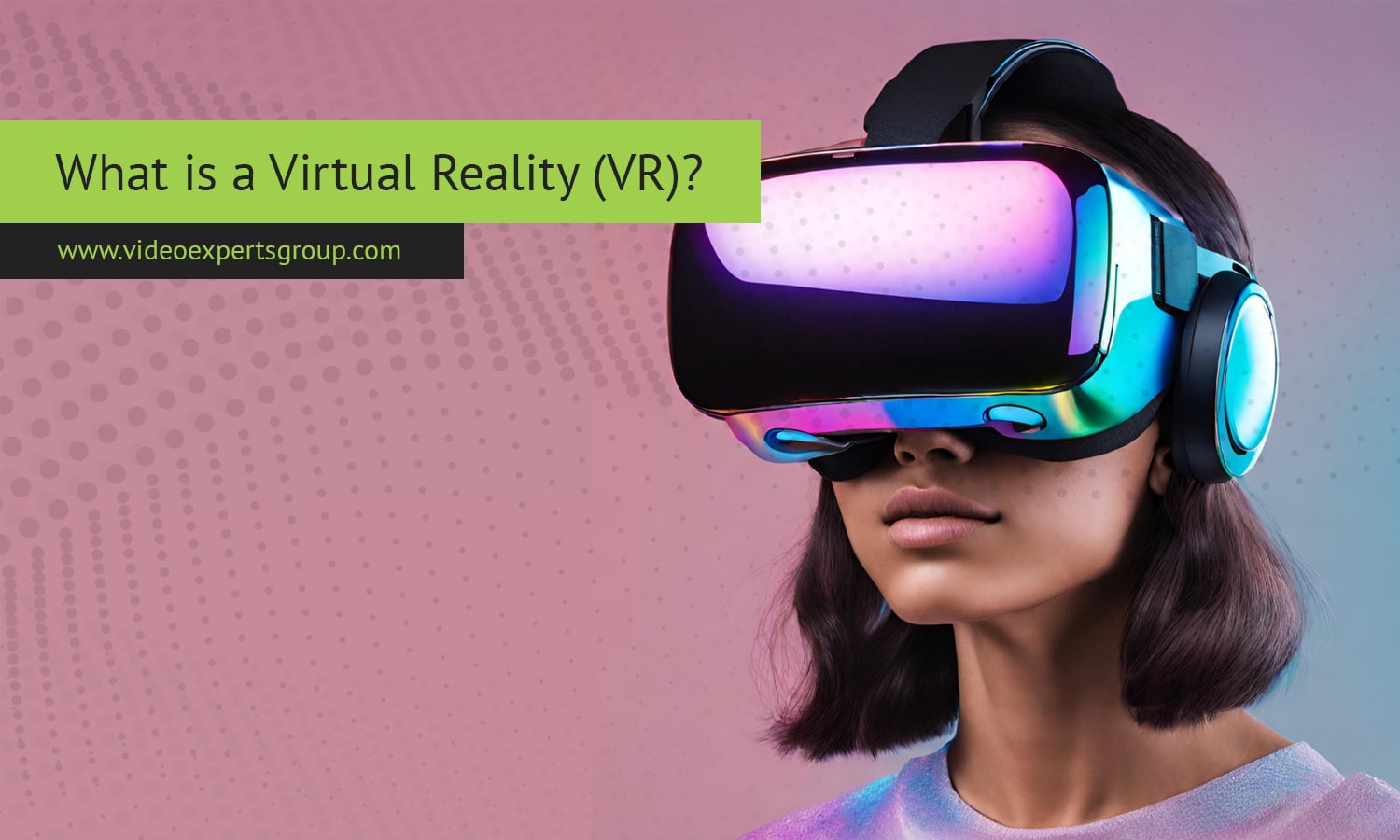
Virtual Reality has moved far beyond science fiction. What once appeared as bulky headsets and simple graphics has evolved into rich, interactive experiences used in education, medicine, design, and entertainment. VR changes how people experience digital content by surrounding their senses with a simulated environment. Instead of watching a screen, users feel present inside the experience, which creates a stronger sense of involvement and realism.
Meaning
Virtual Reality is a technology that creates a simulated environment where users feel as if they are physically present in a digital space. By wearing a VR headset, users are visually and often audibly isolated from the real world and placed into a computer-generated setting. This environment responds to head movement, body position, and sometimes hand gestures, making interaction feel natural.
The main goal of VR is immersion. Unlike traditional media, VR surrounds the user in all directions and reacts instantly to their actions. This sense of presence is what makes VR unique and powerful, especially for training, learning, and storytelling.
How VR works
Virtual Reality systems rely on a combination of hardware and software working together in real time. The most recognizable part is the VR headset, which contains displays placed close to the eyes. These displays show slightly different images to each eye, creating a sense of depth and three-dimensional space.
Sensors inside the headset track head movement such as turning, tilting, and leaning. This data is sent to the VR software, which instantly adjusts the view so the environment moves naturally with the user. Many systems also use hand controllers or hand-tracking cameras to capture gestures and interaction.
Behind the scenes, powerful graphics engines render the virtual world at high frame rates to avoid motion discomfort. Spatial audio adds realism by matching sound direction and distance to what the user sees. Together, these elements create a convincing illusion of being inside another place.
Applications
Virtual Reality is used across many fields, not just gaming. In education, VR allows students to visit historical locations, explore the human body, or perform virtual experiments. These experiences help learners understand complex topics through direct interaction.
In healthcare, VR supports medical training, therapy, and rehabilitation. Doctors and surgeons practice procedures in realistic simulations, while patients use VR for pain management or physical therapy exercises. In architecture and engineering, VR helps designers walk through buildings before they are constructed.
Businesses use VR for employee training, safety simulations, and remote collaboration. Entertainment remains a major area, with VR games, virtual concerts, and immersive storytelling experiences that place users at the center of the action.
Benefits
One of the biggest benefits of Virtual Reality is deep engagement. VR captures attention and encourages active participation, which improves learning and memory retention. Users are not passive viewers but active participants.
VR also provides a safe environment for practice and experimentation. Dangerous, expensive, or rare situations can be simulated without real-world risk. This makes VR especially valuable for training pilots, surgeons, and emergency responders.
Another advantage is accessibility. VR allows people to experience places and activities that may be difficult or impossible in real life, such as traveling to remote locations or rehearsing complex tasks repeatedly.
Virtual Reality vs. Mixed Reality
Virtual Reality and Mixed Reality differ mainly in how they relate to the physical world. VR completely replaces the real environment with a digital one. When wearing a VR headset, users do not see their surroundings and interact only with virtual objects.
Mixed Reality blends digital and physical elements together. In MR, virtual objects are anchored to the real world and can interact with physical surfaces and spaces. While VR focuses on full immersion, Mixed Reality focuses on combining realities into a shared experience.
Virtual Reality vs. Augmented Reality
Augmented Reality adds digital elements to the real world instead of replacing it. AR experiences are often viewed through smartphones, tablets, or smart glasses, allowing users to remain aware of their surroundings.
Virtual Reality creates a completely separate environment, making it better suited for simulations and immersive storytelling. AR is ideal for quick information, navigation, and real-time guidance. The key difference lies in immersion versus enhancement.
FAQs
