What is the RG-59 Coaxial Cable Connector Used For?
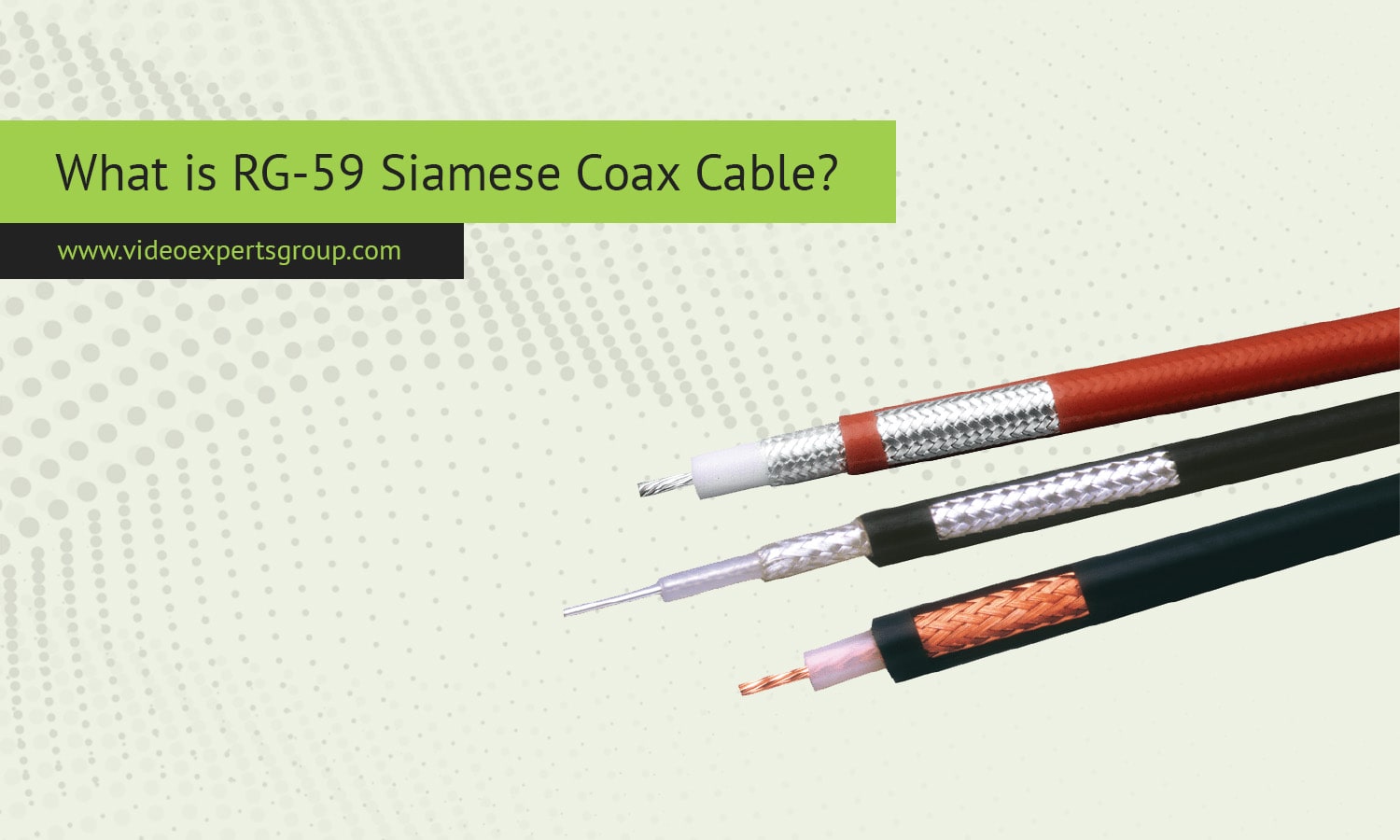
Even with the rise of digital and wireless technologies, coaxial cables continue to serve an important role in many video and signal transmission systems. One of the most recognizable examples is RG-59, a coaxial cable type that has been widely used for decades. The RG-59 coaxial cable connector, while simple in appearance, is a critical component that ensures reliable signal transfer between the cable and connected equipment. Understanding where and why this connector is used helps installers and system designers choose the right solution for each application.
Meaning
An RG-59 cable is a connector specifically designed to terminate RG-59 coaxial cable and connect it to compatible devices. RG-59 cable is a relatively thin coaxial cable optimized for short-distance signal transmission, particularly at lower frequencies. The connector ensures proper contact between the cable’s center conductor, dielectric insulation, and shielding, maintaining signal integrity.
The role of the connector is not only mechanical but also electrical. A well-fitted RG-59 connector helps preserve impedance consistency and reduces signal reflections, which is especially important in analog video and baseband signal applications.
Key features
- Designed for the smaller diameter of RG-59 coaxial cable.
- Lightweight and easy to install.
- Supports short-distance and low-frequency signal transmission.
- Provides basic shielding against external interference.
- Available in crimp, compression, and twist-on styles.
- Commonly paired with BNC or F-type interfaces, depending on use.
These features make RG-59 connectors practical for installations where flexibility and ease of routing matter more than long-distance performance.
Key uses
The RG-59 coaxial cable connector is most commonly used in analog video applications. It has long been a standard choice for closed-circuit television systems, especially in older or smaller CCTV installations where camera runs are relatively short.
RG-59 connectors are also used in some baseband video connections, studio equipment, and legacy audio-visual systems. In residential environments, they may still be found in older television or antenna setups, although newer systems often rely on different cable types.
Because RG-59 is more flexible and easier to handle than thicker coaxial cables, it is well suited for indoor installations with tight bends, wall cavities, or compact equipment racks.
RG-59 vs. RG-6
RG-59 and RG-6 are often compared because they serve similar purposes but differ significantly in performance. RG-59 is thinner and more flexible, which makes it easier to install in confined spaces. However, it has higher signal loss over distance and less shielding.
RG-6 is thicker, better shielded, and designed to handle higher frequencies and longer cable runs. As a result, RG-6 connectors are larger and more robust than RG-59 connectors. Modern digital TV, satellite, and broadband systems typically favor RG-6.
RG-59 and its connectors remain useful for short analog video runs and specific low-frequency applications. Choosing between them depends on distance, signal type, and installation requirements.
FAQs
