RG-6 Coax Cable: Features, Key Uses, Comparison
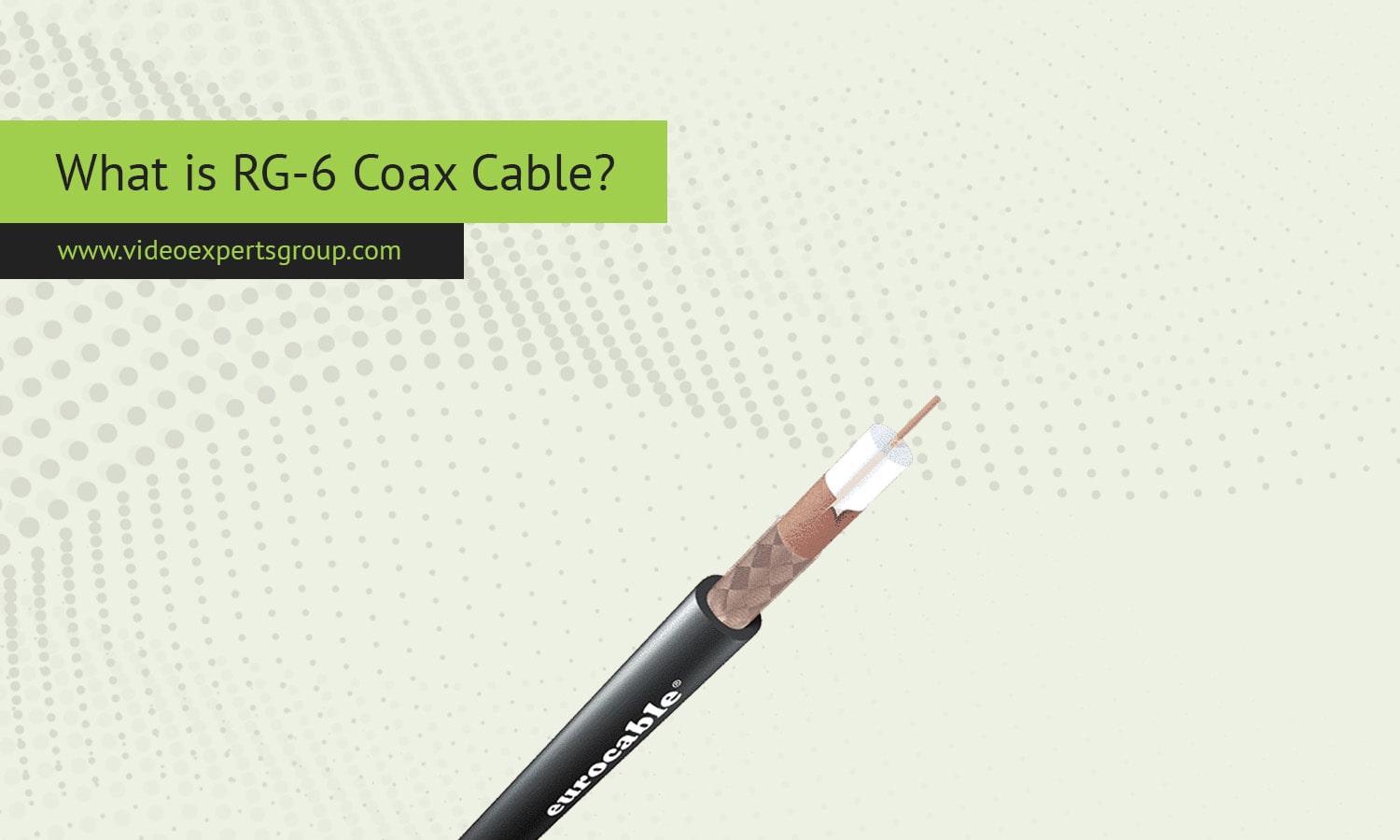
Coaxial cables continue to play an important role in home and commercial signal distribution. From television and broadband internet to satellite and video systems, reliable connections are essential for maintaining signal quality. The RG-6 coaxial cable connector is one of the most commonly used components in these setups. While small in size, it has a major impact on performance, durability, and long-term reliability.
Meaning
An RG-6 cable is a connector designed specifically to terminate RG-6 coaxial cable and connect it to devices such as televisions, modems, splitters, and amplifiers. RG-6 cable is a standard coaxial type used for radio frequency signal transmission, and its connector ensures proper electrical contact between the cable’s core, shielding, and the connected equipment.
The connector plays a critical role in preserving signal strength and preventing interference. A poorly matched or low-quality connector can introduce signal loss, noise, or intermittent connectivity issues, even if the cable itself is in good condition.
Key features
- Designed to fit the diameter and structure of RG-6 coaxial cable.
- Maintains consistent impedance for stable signal transmission.
- Provides shielding continuity to reduce interference.
- Available in compression, crimp, and twist-on designs.
- Compatible with common RF interfaces such as F-type ports.
- Durable construction suitable for indoor and outdoor use.
Modern RG-6 connectors are often engineered for ease of installation while still delivering professional-level performance. Compression-style connectors, in particular, are valued for their secure fit and resistance to moisture.
Key uses
The RG-6 coaxial cable connector is widely used in residential and commercial environments. One of its primary uses is in cable television installations, where it connects wall outlets, set-top boxes, and TVs. It is also standard in broadband internet setups, linking cable modems to service provider lines.
Satellite television systems rely on RG-6 connectors to carry signals from the dish to receivers. In addition, RG-6 connectors are commonly used in closed-circuit video systems, including some security and surveillance installations.
Because RG-6 offers good shielding and lower signal loss compared to thinner cables, its connectors are suitable for both short indoor runs and moderate outdoor connections, provided weather-rated components are used.
RG-6 vs. RG-59
RG-6 and RG-59 are both coaxial cable types, but they are designed for different performance needs. RG-59 is thinner and more flexible, which makes it easier to route in tight spaces. However, it has higher signal loss over distance and less shielding.
RG-6, by contrast, is thicker and better shielded. It supports higher frequencies and maintains signal quality over longer distances. As a result, RG-6 connectors are slightly larger and more robust than RG-59 connectors.
For modern TV, internet, and satellite systems, RG-6 and its matching connectors are generally preferred. RG-59 is more commonly found in older installations or specific low-frequency video applications.
FAQs
