Dome Camera: Features, Benefits, Comparison
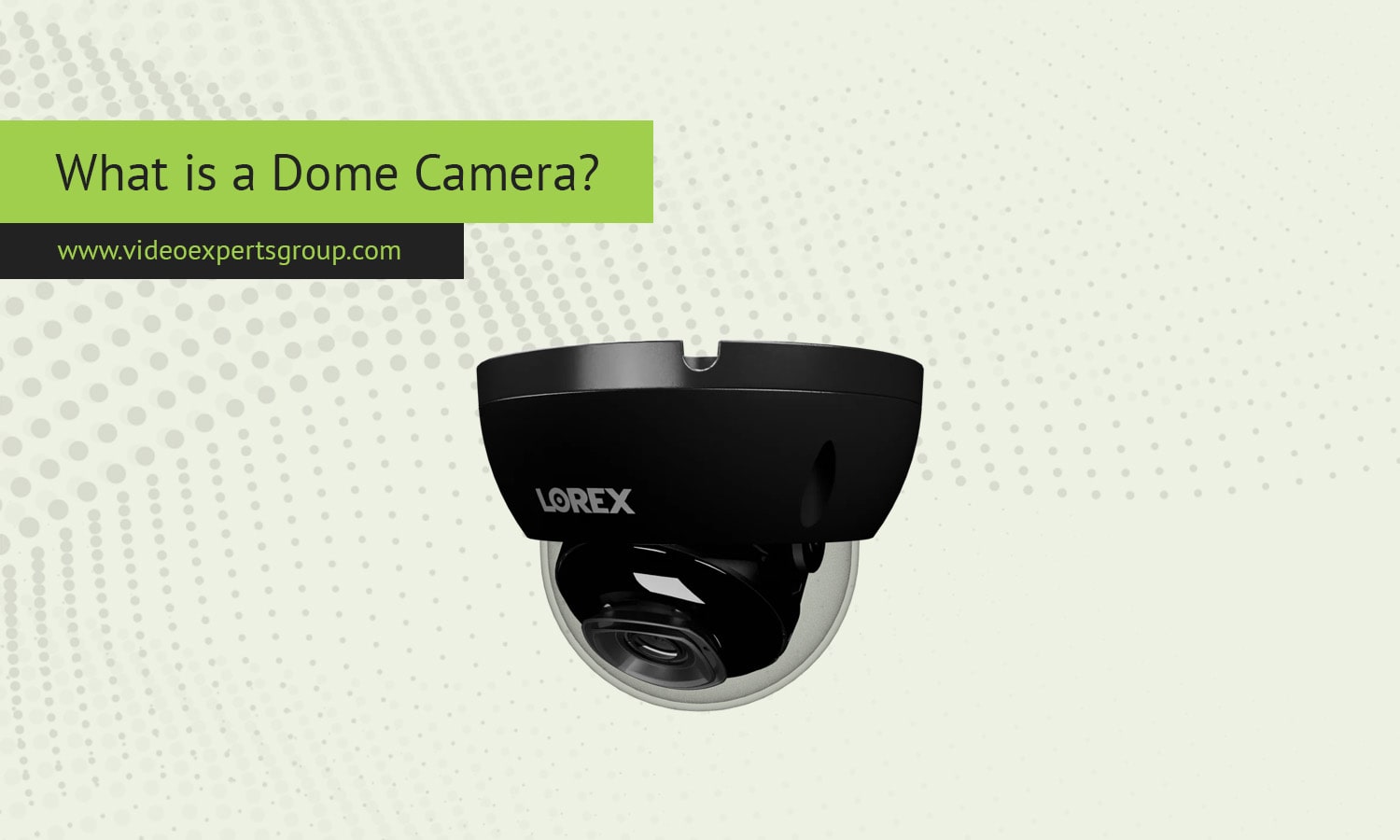
Dome cameras are among the most recognizable security devices in public and commercial spaces. You see them on ceilings in stores, offices, schools, and transit areas, often blending into the architecture. Their rounded enclosure protects the optics and wiring while keeping the viewing direction less obvious to casual observers. This mix of discretion and durability has made dome cameras a standard choice in many surveillance projects.
Meaning
A dome camera is a fixed or motorized security camera housed inside a transparent or tinted hemispherical cover. The lens and sensor sit within the dome, mounted on an internal bracket that can be adjusted or driven by motors in PTZ versions. The outer shell shields the optics from dust, impact, and tampering. Because the dome obscures the exact aim of the lens, people nearby cannot easily tell where the camera is pointed, which can discourage unwanted behavior.
How Dome Camera Works
The camera base attaches to a ceiling or wall surface, and the dome bubble locks over the internal module. Inside, the image sensor and lens capture light through the clear cover. Infrared or white LEDs may surround the lens for night illumination. The processor controls exposure, color, noise reduction, and compression before sending video to a recorder or network system. Many dome cameras use PoE, so a single Ethernet cable supplies both power and data.
In fixed models, the installer sets the viewing angle by adjusting the internal mount before closing the dome. In PTZ dome cameras, motors allow remote pan, tilt, and zoom through software control. Some domes include anti-reflection coatings or foam rings around the lens to reduce internal glare from the cover, improving night performance.
Features
- Protective dome cover: Shields lens and wiring from dust and impact.
- Vandal resistant designs: Metal housings and tamper screws for public areas.
- Fixed or PTZ options: Static coverage or remote directional control.
- Infrared or color night modes: LEDs enable low light visibility.
- Wide dynamic range: Handles mixed lighting near doors and windows.
- Compact ceiling mount form: Blends into interiors.
- PoE connectivity: Single cable installation.
- Analytics support: Motion detection, intrusion zones, and object classification.
Benefits
- Vandal resistance: Enclosed design resists tampering and redirection.
- Discreet appearance: Low profile housing fits public interiors.
- Protected optics: Less exposure to dust and physical contact.
- Flexible placement: Ceiling mounting gives wide coverage.
- Ambiguous viewing direction: Dome tint hides lens orientation.
- Long service life: Internal components are sheltered from environment.
These advantages make dome cameras common in retail floors, schools, transport hubs, and hospitality sites where equipment must be both unobtrusive and resilient.
Dome Camera vs. Bullet Camera
Bullet cameras use a tubular body with a visible lens at the front and a mounting arm behind. They are easy to spot and often act as a deterrent because people can see exactly where they point. Bullets also support longer lenses and sunshades, which helps in outdoor scenes such as parking lots or perimeters. However, their exposed shape can be redirected or damaged if mounted within reach.
Dome cameras sit flush against surfaces and protect the lens behind a hard cover. This makes them better suited for public interiors or low mounting heights where tampering risk is higher. Domes are less conspicuous but may experience glare or dust on the bubble, which can affect night clarity. Bullets remain stronger for long range outdoor viewing, while domes excel in protected, high traffic areas.
Dome Camera vs. Turret Camera
Turret cameras use an open ball-and-socket module without a surrounding bubble. This eliminates internal reflections and usually improves infrared night image contrast. Turrets are also easier to aim because the lens direction is visible during setup. They are popular for entrances, small outdoor zones, and general indoor coverage.
Dome cameras add a protective shell over the lens, increasing vandal resistance and hiding the viewing angle. This makes them preferable in schools, transit stations, and retail ceilings where equipment may be touched or struck. The tradeoff is potential glare or dust buildup on the dome surface, which requires periodic cleaning. In short, domes prioritize protection and discretion, while turrets prioritize optical clarity and quick alignment.
FAQs
