PoE Switch: Meaning, Types, Standards, Comparison
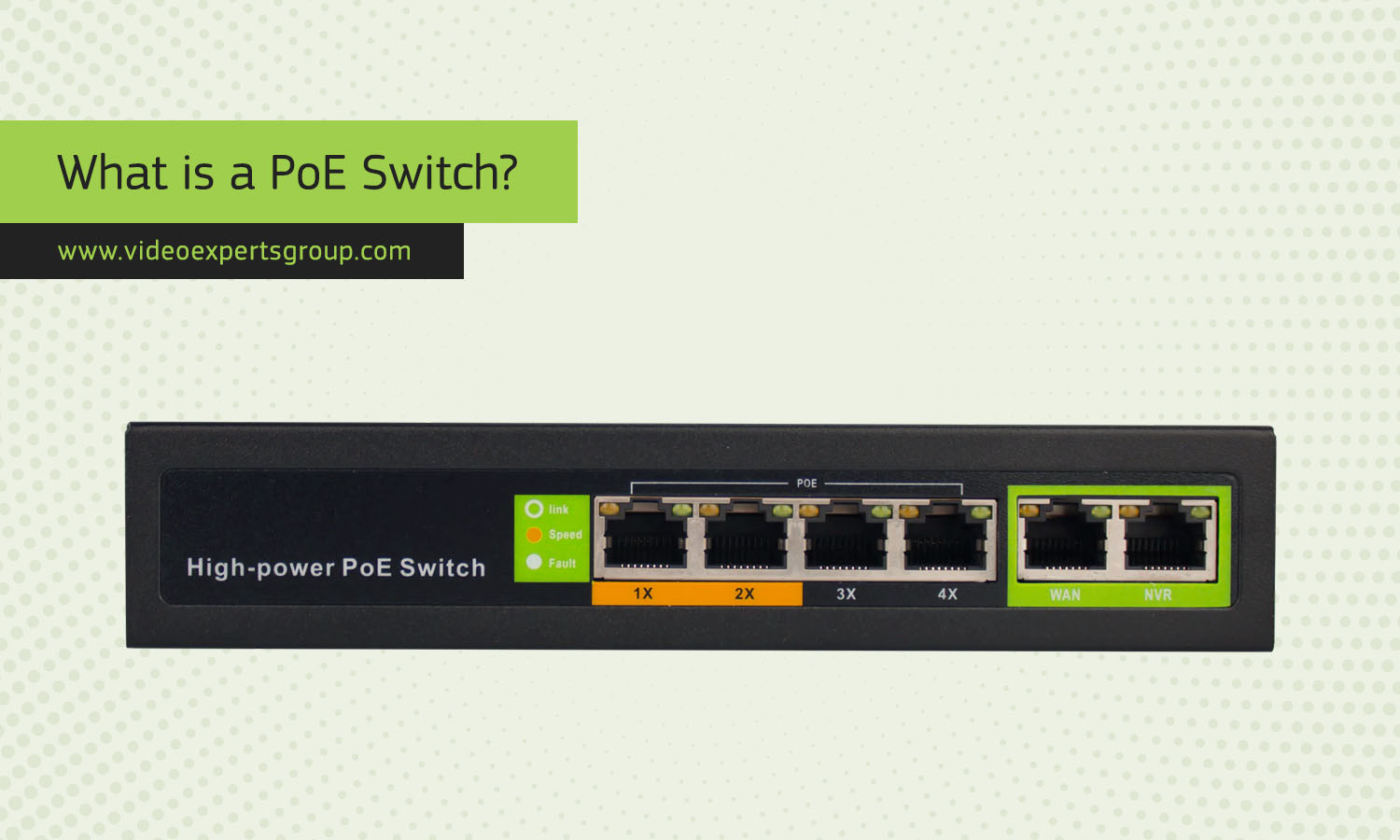
PoE Switch is a key topic for anyone planning or upgrading a CCTV system. Modern video surveillance relies on stable power delivery, clean network design, and easy scalability. A PoE switch simplifies all of this by combining data transmission and power supply into a single Ethernet cable, reducing clutter and making installations more flexible.
In CCTV projects, PoE switches are widely used in homes, offices, warehouses, and outdoor facilities. They allow cameras to be placed exactly where they are needed, not just where a power outlet happens to be available. Understanding how a PoE switch works and how it compares to other components such as NVRs helps avoid costly mistakes and improves long-term reliability.
Meaning
A PoE switch, or Power over Ethernet switch, is a network switch that can supply electrical power and data to connected devices using standard Ethernet cables. In a CCTV context, those devices are typically IP cameras, but they may also include wireless access points or intercoms.
Instead of running a separate power cable to each camera, a PoE switch sends low-voltage power directly through the same cable that carries video and network traffic. This approach simplifies wiring, reduces installation time, and creates a more organized surveillance setup.
For CCTV systems, a PoE switch often acts as the central hub that connects cameras to a network video recorder, a server, or cloud storage. It ensures that each camera receives consistent power while maintaining stable data transmission.
How PoE Switch Works
A PoE switch operates by detecting whether a connected device supports PoE before delivering power. When an IP camera is plugged in, the switch performs a handshake process to confirm compatibility and determine how much power the camera requires.
Once confirmed, the switch supplies power over specific wire pairs within the Ethernet cable while simultaneously handling data traffic. This process is automatic and continuous, allowing cameras to remain powered as long as the switch is active.
In CCTV installations, this means cameras start up immediately when connected, can be rebooted remotely by restarting a port, and remain protected by centralized power management.
Types
PoE switches used in CCTV systems come in several common types, each suited to different project sizes and budgets.
- Unmanaged PoE switches are simple plug-and-play devices. They are popular in small CCTV setups where advanced configuration is not required.
- Managed PoE switches offer control over bandwidth, power allocation, and network security. They are preferred in professional or large-scale surveillance systems.
- Smart or semi-managed PoE switches provide limited management features, balancing cost and control.
- Industrial PoE switches are built for harsh environments, supporting wide temperature ranges and outdoor installations.
PoE Standards & Power Levels
PoE switches follow standardized power levels to ensure compatibility between devices. These standards define how much power can be delivered over Ethernet.
- PoE (802.3af) supports basic IP cameras with modest power needs.
- PoE+ (802.3at) delivers higher power, suitable for cameras with infrared LEDs or motorized lenses.
- PoE++ (802.3bt) supports advanced cameras with heaters, powerful IR illumination, or multiple sensors.
In CCTV systems, choosing the right PoE standard is critical. A camera that requires more power than the switch can deliver may function inconsistently or fail to start at all.
Advantages
PoE switches offer several clear advantages in CCTV installations.
- Simplified cabling with power and data in one cable.
- Flexible camera placement without nearby power outlets.
- Centralized power control and easier maintenance.
- Cleaner and more professional installation appearance.
- Improved scalability when adding new cameras.
These benefits make PoE switches a preferred choice for modern IP-based surveillance systems.
Disadvantages
Despite their advantages, PoE switches also have limitations that should be considered.
- Higher upfront cost compared to non-PoE switches.
- Limited total power budget shared across all ports.
- Long cable runs may reduce available power.
- Failure of the switch can affect multiple cameras at once.
Proper planning and choosing a switch with sufficient power capacity can reduce most of these drawbacks.
PoE Switch vs. NVR
A common point of confusion in CCTV systems is the difference between a PoE switch and an NVR. A PoE switch focuses on network connectivity and power delivery. It supplies electricity to cameras and forwards video data across the network.
An NVR, or network video recorder, is responsible for recording, storing, and managing video footage. Some NVRs include built-in PoE ports, effectively combining both roles in a single device.
In small systems, an NVR with built-in PoE may be sufficient. In larger or more flexible installations, a separate PoE switch allows cameras to be distributed across the network and provides better scalability and redundancy.
FAQs
