What is a Smart IP Camera?
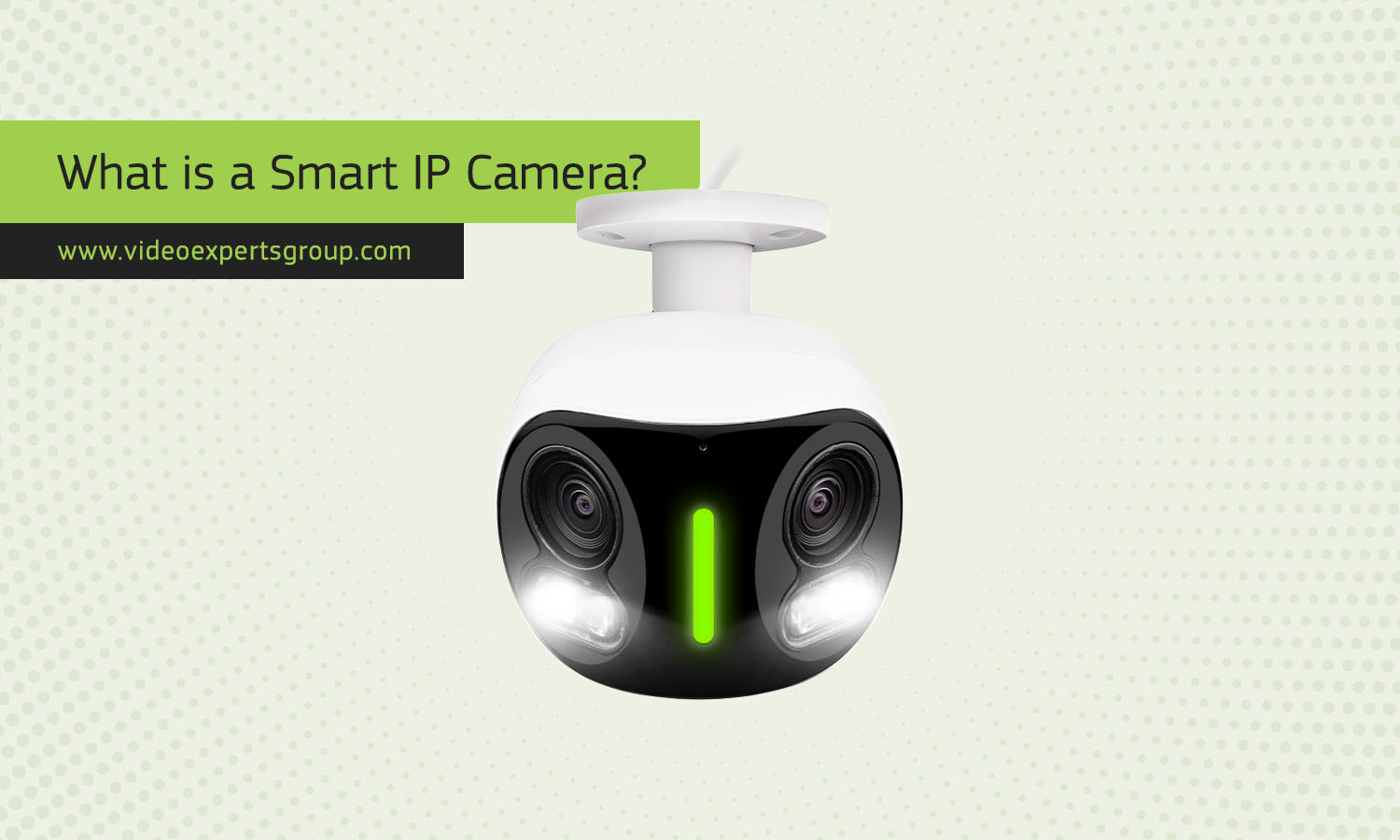
Video surveillance has changed a lot in the past decade. Cameras are no longer just recording devices that store footage for later viewing. Today, many systems can analyze what they see, send alerts in real time, and connect directly to cloud services and mobile apps. At the center of this shift is the smart IP camera. This type of camera combines network connectivity with built-in processing power, allowing it to do much more than traditional analog CCTV cameras. Whether used in homes, offices, stores, or industrial sites, smart IP cameras are now a key part of modern security systems.
Meaning
A smart IP camera is a network-based video camera that connects to the internet or a local network and includes intelligent software features. The term IP stands for Internet Protocol, which means the camera sends and receives data over a network rather than through a coaxial cable like older CCTV systems. The word smart refers to the camera’s ability to process video data on its own using built-in analytics. Instead of simply recording everything, it can recognize motion, detect people or vehicles, and trigger actions such as notifications or alarms.
Unlike basic IP cameras, smart models use onboard processors and artificial intelligence based algorithms to interpret what is happening in the scene. This reduces false alarms and helps users focus on real events rather than endless hours of video.
Key features
- High resolution video, often in Full HD, 4MP, 4K, or higher for clear identification of faces and objects.
- Motion detection that distinguishes between general movement and human or vehicle activity.
- Video analytics such as line crossing detection, intrusion detection, and object removal alerts.
- Two way audio support with built-in microphone and speaker for communication.
- Night vision using infrared LEDs or low light color technology.
- Remote access through mobile apps or web browsers.
- Cloud storage or network video recorder integration.
- Smart notifications that send push alerts, emails, or app messages.
- Encryption and password protection to improve data security.
How it works
A smart IP camera captures video through its image sensor, just like any digital camera. The video is converted into digital data and compressed using codecs such as H.264 or H.265 to reduce bandwidth use. What makes the camera smart is its internal processor. This processor runs video analytics software that examines each frame. It looks for patterns that match specific rules, for example, a person entering a restricted area or a car stopping in a no parking zone.
Once an event matches the defined conditions, the camera can take action. It may send an alert to a phone, start recording at a higher frame rate, trigger a siren, or upload clips to the cloud. The camera communicates over Ethernet or WiFi, and many models support Power over Ethernet, which allows a single cable to provide both data and power.
Footage can be stored locally on a memory card, on a network video recorder, or in a cloud service. Users can log in remotely to view live video, search recordings, or adjust settings. This combination of edge processing and network connectivity is what sets smart IP cameras apart.
Advantages
- Better accuracy in detecting real threats compared to basic motion detection.
- Faster response because alerts are sent instantly when specific events occur.
- Reduced storage needs since cameras can record only when meaningful activity happens.
- Remote monitoring from anywhere with an internet connection.
- Scalability, making it easy to add more cameras to the same network.
- Integration with smart home or building systems such as alarms and access control.
- Improved evidence quality thanks to high resolution and advanced image processing.
Disadvantages
- Higher cost than basic analog or simple IP cameras.
- Dependence on network stability and bandwidth.
- Cybersecurity risks if passwords and firmware are not managed properly.
- More complex setup that may require technical knowledge.
- Privacy concerns when cameras use cloud storage or advanced analytics.
FAQs
