What is a Cube Camera? Definition, Features & Benefits
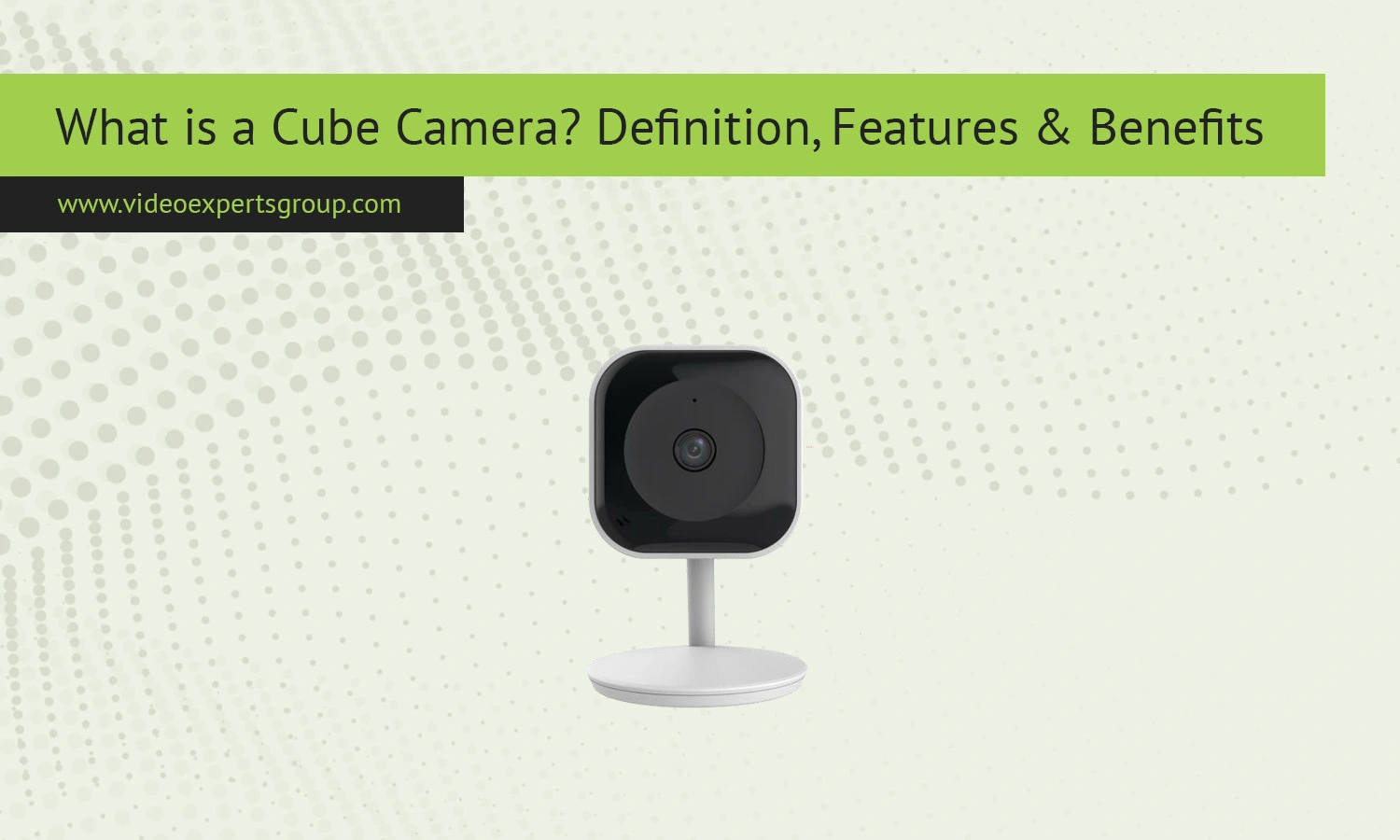
Cube cameras have become one of the most recognizable forms of modern indoor surveillance. Their compact shape, simple installation, and smart features make them a popular choice for homes, small businesses, and temporary monitoring setups. While they may look minimal on the outside, cube cameras often pack advanced capabilities such as motion detection, audio communication, and cloud or local storage. This article explores what cube cameras are, how they work, and whether they are the right solution for your security needs.
Definition
A cube camera is a small, box-shaped security camera typically designed for indoor use. It is characterized by its compact cubic form factor, flat base, and forward-facing lens. Most cube cameras are standalone devices that can be placed on a desk, shelf, or mounted on a wall without complex installation.
Unlike larger surveillance cameras, cube cameras often integrate multiple features into a single unit, including motion sensors, microphones, speakers, and storage options. They are commonly used in residential environments, retail stores, and offices where ease of use and flexibility are more important than heavy-duty outdoor performance.
Key Features
Integrated PIR Sensors
Many cube cameras include Passive Infrared (PIR) sensors, which detect motion based on changes in heat signatures rather than pixel movement. This significantly reduces false alarms caused by shadows, lighting changes, or moving objects like curtains. PIR sensors are particularly useful in indoor environments where accuracy matters, such as monitoring pets, children, or restricted areas.
Two-Way Audio
Two-way audio allows users to both listen and speak through the camera using a mobile app or desktop interface. This feature is commonly used for communicating with family members, greeting visitors, or warning intruders. Built-in microphones and speakers are typically optimized for close-range clarity, making them ideal for indoor use.
Edge Storage
Edge storage refers to saving video recordings directly on the camera itself, usually via a microSD card. This eliminates the need for constant cloud connectivity and provides an added layer of privacy. In case of internet outages, recordings can still be captured and stored locally.
Alarm I/O
Some advanced cube cameras offer alarm input and output (I/O) ports. These allow integration with external sensors or alarm systems. For example, the camera can trigger an alarm when motion is detected or receive signals from door sensors to start recording. This expands the camera’s functionality beyond simple video monitoring.
Technical Specifications to Consider
Resolution & Optics
Cube cameras typically range from HD (720p) to Full HD (1080p) and even 4MP or higher resolutions. Higher resolution means clearer images and better detail recognition, especially for faces or objects. Lens type and field of view are also important. Wide-angle lenses, often between 90 and 130 degrees, allow coverage of larger indoor areas.
Night Vision
Infrared (IR) LEDs are commonly used in cube cameras to enable night vision. These allow the camera to capture footage in complete darkness, usually within a range of 5 to 10 meters. Some models also feature smart IR adjustment to prevent overexposure when subjects are close to the lens.
Connectivity
Most cube cameras support Wi-Fi connectivity, making them easy to install without running cables. Some models also offer Ethernet ports for more stable connections. Compatibility with mobile apps, cloud services, and smart home systems is another key factor to consider when evaluating connectivity.
Benefits
Plug-and-Play Installation
One of the biggest advantages of cube cameras is their ease of setup. Most devices can be installed in minutes without professional assistance. Simply connect to power, configure via an app, and the camera is ready to use.
Discreet & Aesthetic
The small size and minimal design make cube cameras less intrusive than traditional surveillance systems. They blend well into home or office environments without drawing attention, which can be important for maintaining a comfortable atmosphere.
Cost-Effectiveness
Cube cameras are generally more affordable than larger or more specialized camera types. They offer a strong balance between price and functionality, making them accessible for users with limited budgets.
Versatility
These cameras can be easily repositioned as needed. Whether monitoring a baby’s room, a retail counter, or a temporary workspace, cube cameras provide flexible deployment options without permanent installation.
Common Use Cases
Retail/POS Monitoring
Cube cameras are often used to monitor point-of-sale areas in small shops. Their compact size allows them to be placed near cash registers without obstructing operations, while still capturing clear footage of transactions.
Apartment Security
In residential settings, cube cameras are ideal for monitoring entry points, living rooms, or hallways. Renters especially benefit from their non-invasive installation, as no drilling or wiring is required.
Remote Office Management
For small offices or remote teams, cube cameras help keep track of activity and ensure security without the need for complex surveillance systems. Managers can check live feeds or recorded footage from anywhere.
Limitations & Drawbacks
Despite their advantages, cube cameras are not suitable for every scenario. They are typically designed for indoor use and may lack weatherproofing for outdoor environments. Their compact size can also limit advanced features such as long-range zoom or high-powered night vision. Additionally, reliance on Wi-Fi can lead to connectivity issues in areas with weak signals. Storage capacity may also be limited compared to larger surveillance systems.
Cube Camera vs. Dome Camera
Dome cameras are usually mounted on ceilings and offer a wider coverage area with a more secure housing. They are harder to tamper with and often used in commercial settings. Cube cameras, on the other hand, prioritize portability and ease of installation. While dome cameras are better for permanent setups, cube cameras excel in flexibility and convenience.
Cube Camera vs. Bullet Camera
Bullet cameras are designed for outdoor use with long, cylindrical bodies and extended range capabilities. They are ideal for monitoring large areas such as parking lots or building perimeters. Cube cameras are more suited for indoor environments where space is limited and aesthetics matter. Bullet cameras offer better durability and range, while cube cameras provide simplicity and adaptability.
FAQs
