What is an Eye Camera? Definition and Key Features
Modern surveillance technology continues to evolve toward more discreet, flexible, and effective solutions. Among these innovations, the eye camera has gained attention for its compact form factor, versatile adjustment capabilities, and excellent performance in challenging lighting conditions. Whether used in residential or commercial environments, this type of camera offers a unique blend of functionality and subtle design that makes it suitable for a wide range of applications.
Meaning
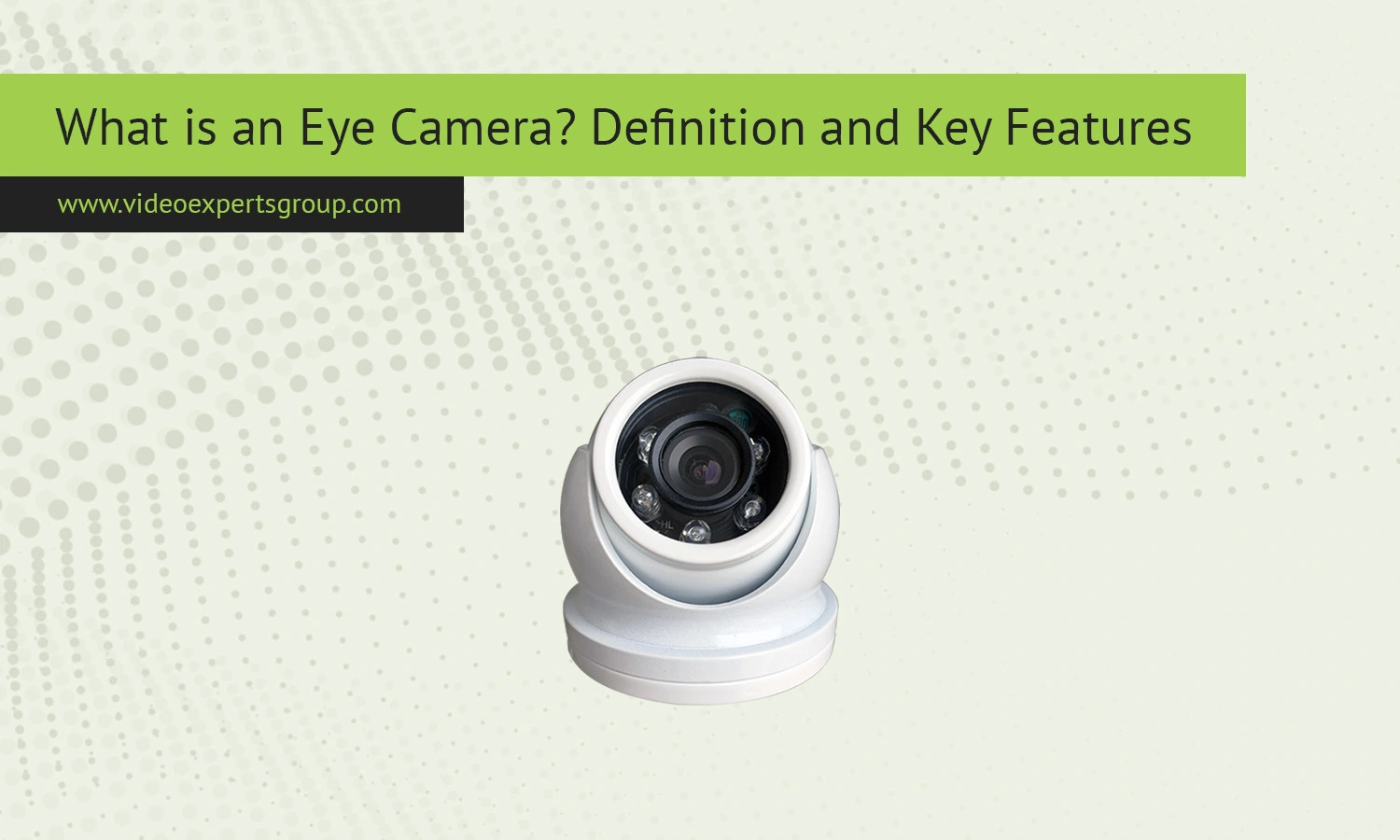
An eye camera is a compact surveillance camera designed to resemble the shape and movement flexibility of a human eye. It typically features a ball-and-socket style mounting system that allows precise positioning in multiple directions. This design enables users to adjust the viewing angle easily without needing to reposition the entire camera body.
Unlike traditional fixed cameras, eye cameras are engineered for adaptability. Their structure allows them to be mounted in tight or unconventional spaces while still maintaining optimal field of view. They are commonly used in both indoor and outdoor environments where discreet monitoring and flexible positioning are essential.
Key Features and Technical Advantages
3-Axis Adjustment
One of the defining characteristics of an eye camera is its 3-axis adjustment capability. This means the camera can be rotated horizontally, tilted vertically, and adjusted along its axis. Installers can fine-tune the viewing direction without uninstalling or repositioning the mount. This flexibility reduces installation time and ensures accurate coverage of critical areas.
From a practical standpoint, this feature is especially useful in environments where angles matter, such as entry points, corridors, or parking areas. It also allows for easy recalibration if the monitoring needs change over time.
Superior Night Vision (No IR Reflection)
Eye cameras are often designed to minimize infrared reflection, which is a common issue in dome cameras. Traditional dome covers can cause IR light to bounce back into the lens, resulting in glare or foggy footage at night. Eye cameras typically avoid this problem by eliminating or optimizing the protective dome structure.
The result is clearer nighttime footage with improved contrast and detail. This makes eye cameras particularly effective in low-light environments where reliable image quality is critical for identification and security purposes.
Weather Resistance
Many eye cameras are built with durable, weather-resistant housings that protect internal components from dust, moisture, and temperature fluctuations. These cameras often meet IP-rated standards, making them suitable for outdoor deployment.
Weather resistance ensures consistent performance regardless of environmental conditions. Whether installed under eaves, on exterior walls, or in semi-exposed areas, eye cameras are designed to operate reliably throughout the year.
Technical Specifications
Resolution Options
Eye cameras are available in a range of resolutions, from basic HD (720p) to Full HD (1080p), and increasingly up to 4K ultra-high definition. Higher resolution models provide sharper images and better zoom capabilities, which are crucial for identifying faces, license plates, or small details.
The choice of resolution depends on the intended use case. For general monitoring, 1080p is often sufficient, while high-security areas may benefit from 4K clarity.
Lens Types
These cameras can be equipped with fixed or varifocal lenses. Fixed lenses offer a consistent field of view, typically suited for monitoring specific zones. Varifocal lenses allow users to adjust the focal length, providing flexibility in framing and zoom.
Wide-angle lenses are common in eye cameras, enabling broader coverage with fewer devices. However, selecting the right lens depends on the distance and level of detail required.
Built-in Audio
Some eye cameras include built-in microphones or even two-way audio capabilities. This feature allows users to capture sound along with video or communicate remotely through the camera.
Audio functionality can be valuable in situations such as monitoring entrances, interacting with visitors, or enhancing overall situational awareness. However, users should always consider local laws regarding audio recording.
Use Cases
Residential Exteriors
Eye cameras are ideal for home security, particularly for monitoring front doors, backyards, and garages. Their compact design makes them less intrusive while still providing comprehensive coverage. Homeowners appreciate the ability to adjust angles easily without professional assistance.
Commercial Entries
In commercial settings, eye cameras are frequently used at entrances, reception areas, and access points. Their clean design blends well with modern architecture, while their adjustable positioning ensures that key areas are always in view.
Low-Light Environments
Due to their superior night vision performance, eye cameras are well-suited for poorly lit areas such as warehouses, parking lots, and alleys. The reduced IR reflection ensures clearer footage compared to many traditional camera designs.
Installation Tips (Reddit-Focused Advice)
Height Considerations
Users on forums often recommend installing eye cameras at a height of around 2.5 to 3 meters. This height strikes a balance between preventing tampering and capturing usable facial details. Mounting too high can reduce identification quality, while mounting too low increases the risk of vandalism.
Orientation
Proper orientation is critical. Avoid pointing the camera directly at strong light sources such as the sun or bright lamps, as this can reduce image clarity. Slight downward angles tend to provide better coverage and minimize glare. Many users also suggest testing the camera view at different times of day before finalizing the position.
Eye Camera vs. Dome Camera
While both eye and dome cameras are popular in surveillance systems, they differ significantly in design and performance. Dome cameras are enclosed in a protective cover, which can sometimes cause infrared reflection issues at night. Eye cameras, on the other hand, typically offer clearer nighttime images due to their exposed or optimized lens design.
In terms of flexibility, eye cameras have the advantage with their 3-axis adjustment. Dome cameras often require partial disassembly for repositioning. However, dome cameras may offer better protection against vandalism due to their enclosed structure.
Eye Camera vs. Fisheye Camera
Fisheye cameras are designed to capture ultra-wide, panoramic views, often covering 180 or 360 degrees. While this provides maximum coverage, it can introduce distortion and reduce detail in specific areas.
Eye cameras focus on targeted monitoring with adjustable angles and higher detail in a defined field of view. They are better suited for scenarios where clarity and direction control are more important than total coverage. In contrast, fisheye cameras are ideal for open spaces where a single device needs to monitor a large area.
FAQs
