Fisheye Camera Explained: Everything You Need to Know
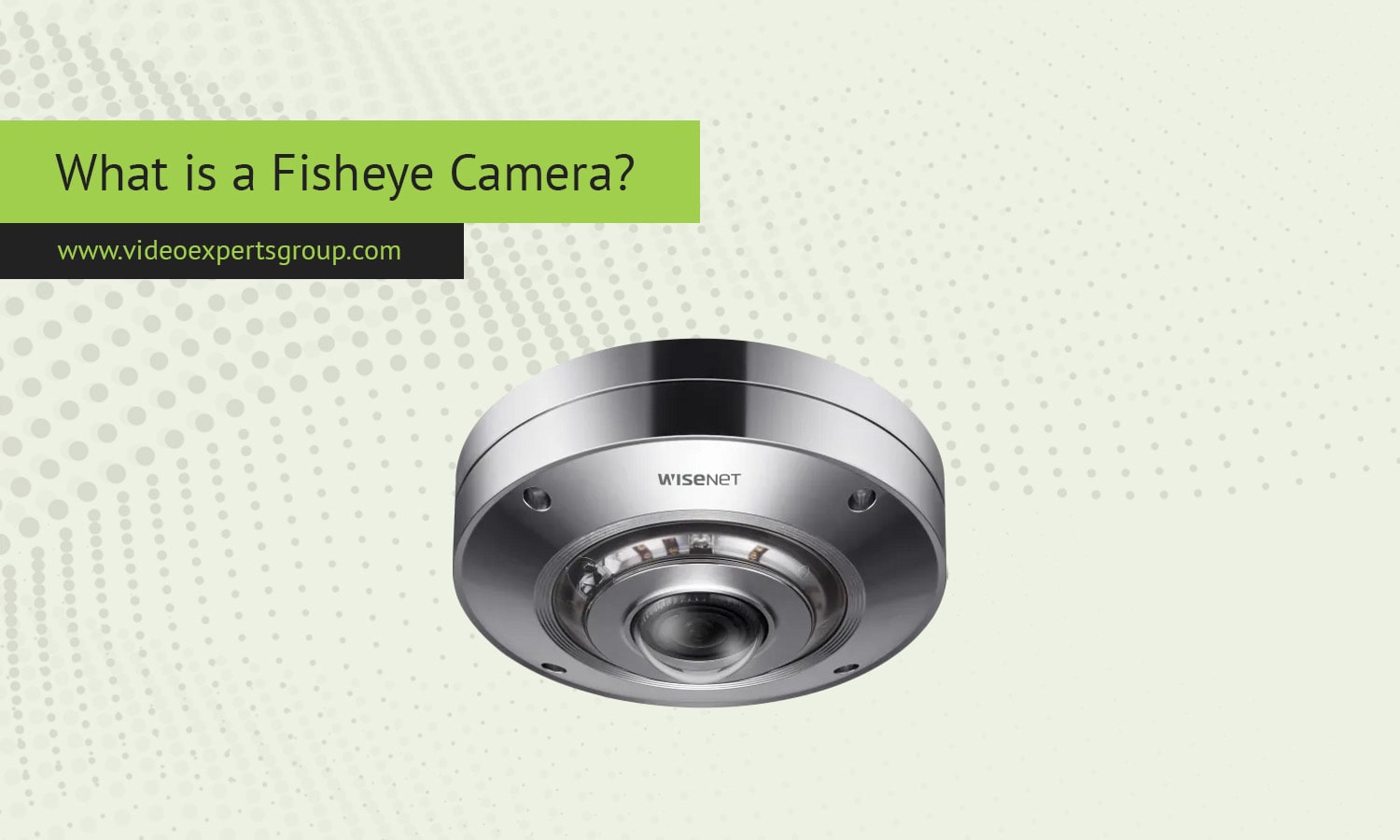
Fisheye cameras have become a popular choice in modern CCTV systems, especially in locations where wide-area coverage matters more than close-up detail. You may have seen them mounted on ceilings in retail stores, offices, airports, or warehouses, quietly monitoring large spaces with a single lens. At first glance, they look simple, but the technology behind them is quite specific and serves a very particular purpose in video surveillance.
This article explains fisheye cameras from a CCTV perspective, covering how they work, what makes them different, where they perform best, and how they compare to other common camera types. If you are planning a surveillance system or upgrading an existing one, understanding fisheye cameras can help you make smarter design decisions.
Meaning
A fisheye camera is a type of CCTV camera that uses an ultra-wide-angle lens to capture a very broad field of view, often up to 180 or 360 degrees. The name comes from the visual effect created by the lens, which resembles how a fish might see the world underwater, with curved edges and a wide perspective.
In surveillance, fisheye cameras are designed to monitor large areas using a single camera instead of multiple standard cameras. While the raw image appears distorted, software can digitally correct and display it in more familiar viewing modes.
Key Characteristics
Fisheye cameras have several defining traits that set them apart from other CCTV cameras.
- Ultra-wide field of view, typically between 180 and 360 degrees.
- Single fixed lens with no mechanical movement.
- High-resolution sensors to compensate for image stretching.
- Support for digital dewarping in video management software.
- Often ceiling-mounted for optimal coverage.
These characteristics make fisheye cameras especially useful for open spaces where situational awareness is more important than zoomed-in identification.
How Fisheye Camera Works
A fisheye camera works by using a specially designed lens that bends light at extreme angles. Instead of capturing a narrow, rectangular scene like a normal camera, the fisheye lens captures a circular or near-circular image that includes everything around the camera.
The raw video feed typically shows curved lines and stretched edges. To make the footage usable, CCTV software applies digital dewarping. This process mathematically corrects the distortion and presents the video in different viewing modes, such as panoramic view, quad view, or multiple virtual cameras. The camera itself remains static, while the software allows operators to pan, tilt, and zoom digitally.
Advantages
Fisheye cameras offer several benefits that make them attractive in specific surveillance scenarios.
- Wide-area coverage with a single camera.
- Reduced installation and maintenance costs.
- No blind spots when properly positioned.
- No moving parts, which improves reliability.
- Flexible viewing modes through software.
By replacing multiple standard cameras, fisheye models can simplify system design and reduce infrastructure complexity.
Disadvantages
Despite their strengths, fisheye cameras are not ideal for every situation.
- Lower pixel density at the edges of the image.
- Limited ability to capture fine details at long distances.
- Requires dewarping software for comfortable viewing.
- Not suitable for narrow corridors or long hallways.
Understanding these limitations helps avoid unrealistic expectations, especially when facial recognition or license plate capture is required.
Usage Examples
Fisheye cameras are commonly deployed in environments where wide visibility matters most.
- Retail stores for monitoring customer movement and preventing theft.
- Office lobbies and open workspaces.
- Warehouses and logistics centers.
- Airports, stations, and public buildings.
- Schools and university halls.
In these settings, a single fisheye camera can often replace several conventional cameras.
Fisheye Camera vs. Normal Camera
A normal CCTV camera captures a narrower field of view with minimal distortion. It is ideal for focusing on entrances, corridors, or specific targets. In contrast, a fisheye camera sacrifices image geometry for coverage, capturing everything around it at once.
Normal cameras are better for detail and identification, while fisheye cameras excel at monitoring overall activity and movement across large areas.
Fisheye Camera vs. Dome Camera
Dome cameras describe a physical form factor rather than a lens type. A dome camera can use a standard lens, varifocal lens, or even a fisheye lens. The key difference is functional, not visual.
A fisheye camera focuses on panoramic coverage, while a dome camera can be designed for many purposes. Some fisheye cameras are also dome-shaped, which can cause confusion when comparing the two.
Fisheye Camera vs. 360 Camera
In CCTV, fisheye cameras and 360 cameras are often closely related. Many fisheye cameras provide full 360-degree coverage when mounted on ceilings. However, not all 360 cameras use fisheye lenses, and not all fisheye cameras deliver a full spherical view.
The main difference lies in usage context. Fisheye cameras are designed specifically for surveillance systems, while 360 cameras can also refer to consumer devices used for immersive video or virtual reality.
FAQs
