RTSP Camera: Meaning, Features, Benefits
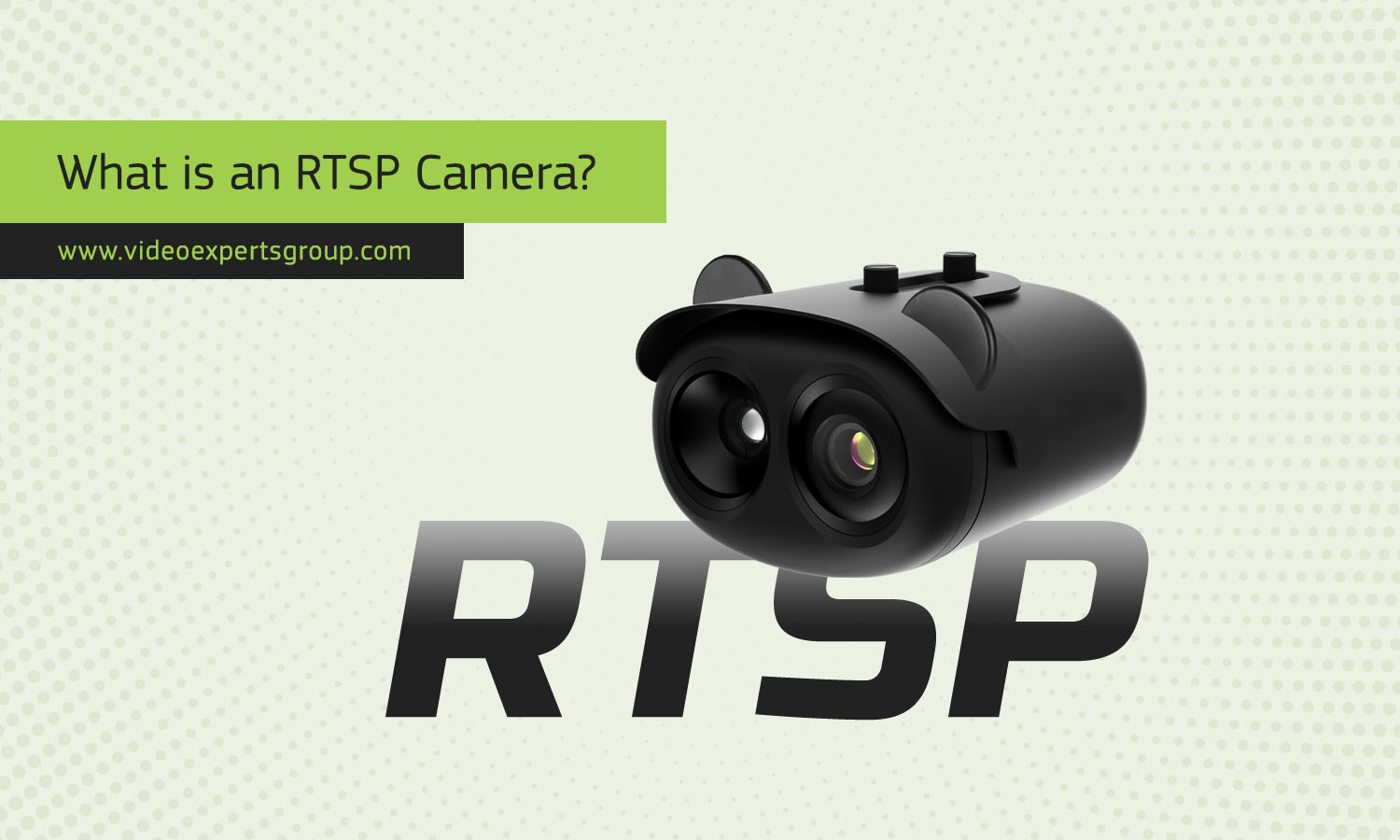
Video surveillance has evolved far beyond simple analog cameras and local recorders. Today, most modern security systems rely on digital video streams that can be viewed, recorded, and analyzed over local networks or the internet. One of the most important technologies behind this shift is RTSP. If you have ever streamed live video from an IP camera, network video recorder, or monitoring software, there is a strong chance you were using RTSP without even realizing it. Understanding what an RTSP camera is helps users choose compatible equipment, design flexible surveillance systems, and troubleshoot streaming issues more effectively.
Meaning
An RTSP camera is a network-based video camera that uses the Real Time Streaming Protocol to deliver live video and audio streams to compatible devices and software. RTSP is not a video codec itself. Instead, it is a control protocol that manages how media streams are delivered from a camera to a client, such as a computer, mobile app, video management system, or network video recorder.
In practical terms, an RTSP camera allows users to access a live feed over an IP network using a standardized streaming address, often called an RTSP URL. This makes RTSP cameras highly flexible and interoperable, since many third-party applications and surveillance platforms support the protocol. RTSP cameras are commonly used in professional CCTV installations, enterprise security systems, and advanced home surveillance setups.
How RTSP camera works?
An RTSP camera works by capturing video through its image sensor, encoding that video using a compression standard such as H.264, H.265, or MJPEG, and then making the stream available through an RTSP server running inside the camera firmware.
When a user or software wants to view the live feed, it sends an RTSP request to the camera using a specific URL that includes the camera’s IP address, port number, and stream path. RTSP handles commands such as play, pause, stop, and teardown, allowing precise control over the streaming session.
Once the session is established, the actual video and audio data is usually transmitted using RTP, which is optimized for real-time delivery. This separation between control and data allows RTSP cameras to deliver smooth live video while giving clients the ability to manage the stream efficiently. RTSP can work over local networks for low latency viewing or over the internet when properly configured with port forwarding or secure tunneling.
Key features
- Standardized streaming protocol supported by many devices and platforms
- Real-time video and audio transmission with low latency
- Compatibility with popular video management software and NVRs
- Support for multiple video streams with different resolutions and bitrates
- Flexible network access over LAN and WAN environments
- Integration with motion detection, recording, and analytics systems
Benefits
One of the main benefits of RTSP cameras is interoperability. Because RTSP is widely adopted, users are not locked into a single brand or ecosystem. An RTSP camera from one manufacturer can often be used with recording software or monitoring platforms from another.
Another important advantage is real-time performance. RTSP is designed specifically for live media delivery, making it suitable for security applications where immediate response is critical. Latency is generally lower compared to some cloud-based streaming methods.
RTSP cameras also offer flexibility in system design. They can be integrated into small home networks or large enterprise infrastructures, scaled easily, and combined with advanced analytics such as facial recognition, object detection, or license plate recognition. For installers and system integrators, RTSP simplifies deployment and long-term maintenance.
Common Uses
RTSP cameras are used across a wide range of environments due to their reliability and compatibility. In commercial security, they are commonly installed in offices, warehouses, retail stores, and shopping centers to provide continuous monitoring and evidence recording.
In public infrastructure, RTSP cameras are used for traffic monitoring, public safety surveillance, and city-wide CCTV systems. Their ability to integrate with central monitoring platforms makes them ideal for large-scale deployments.
RTSP cameras are also popular among advanced home users who want more control than basic consumer cameras provide. They are often used in smart homes, home labs, and DIY security setups where local recording, custom automation, or integration with open-source software is required.
FAQs
