360 Vision Technology Login: Default IP, Username, Password, Port

Cameras 11 minutes
360 Vision Technology Login: Default IP, Username, Password, Port

Security cameras are essential for protecting homes and businesses. 360 Vision Technology is a well known brand that offers a range of surveillance cameras used in many installations. When you set up your camera, you often need to know the default network settings like the IP address, username, password and communication ports. These defaults help you access the camera for the first time, change settings, update firmware, and connect to recording systems. This article explains what those defaults are, what they mean, and answers common questions about them.

Default IP

360 Vision Technology cameras often come with a default IP address so that you can find them on a local network when you first power them on. A common default IP for many models is 192.168.1.10 or something similar within the 192.168.1.x range. This address allows you to open a browser or setup program and connect directly to the camera. If your router uses a different network range, you might need to adjust your computer’s network settings temporarily to match the camera’s subnet in order to see it. Once connected, you can change the camera’s IP address to match your router’s network scheme.

Default Username

The default username for many 360 Vision Technology cameras is often admin. This is a simple and widely used username for initial access. Because this is widely known, it is highly recommended that you change the username or add additional user accounts with unique names after you set up the device. Using a strong unique username helps reduce unauthorized access attempts.

Default Password

Out of the box, the default password for these cameras can be admin as well or left blank on some models. In other cases manufacturers require a password to be set during first use. If the password is left blank, you will be prompted to create a new one when you first log in. A strong, unique password that combines letters, numbers, and symbols makes your camera more secure. Avoid using easily guessed passwords like 12345 or the camera’s brand name.

Default Port

Default ports tell other devices how to connect to services on the camera. For web access, 360 Vision Technology cameras often use port 80 for HTTP and port 443 for HTTPS. These are standard web ports and allow you to view the camera in a browser. For video streams, other ports such as 554 for RTSP can be used. If your camera is behind a router and you want remote access, you can forward the necessary port numbers on your router. Consider using nonstandard ports and secure services to increase security.

ONVIF uplink

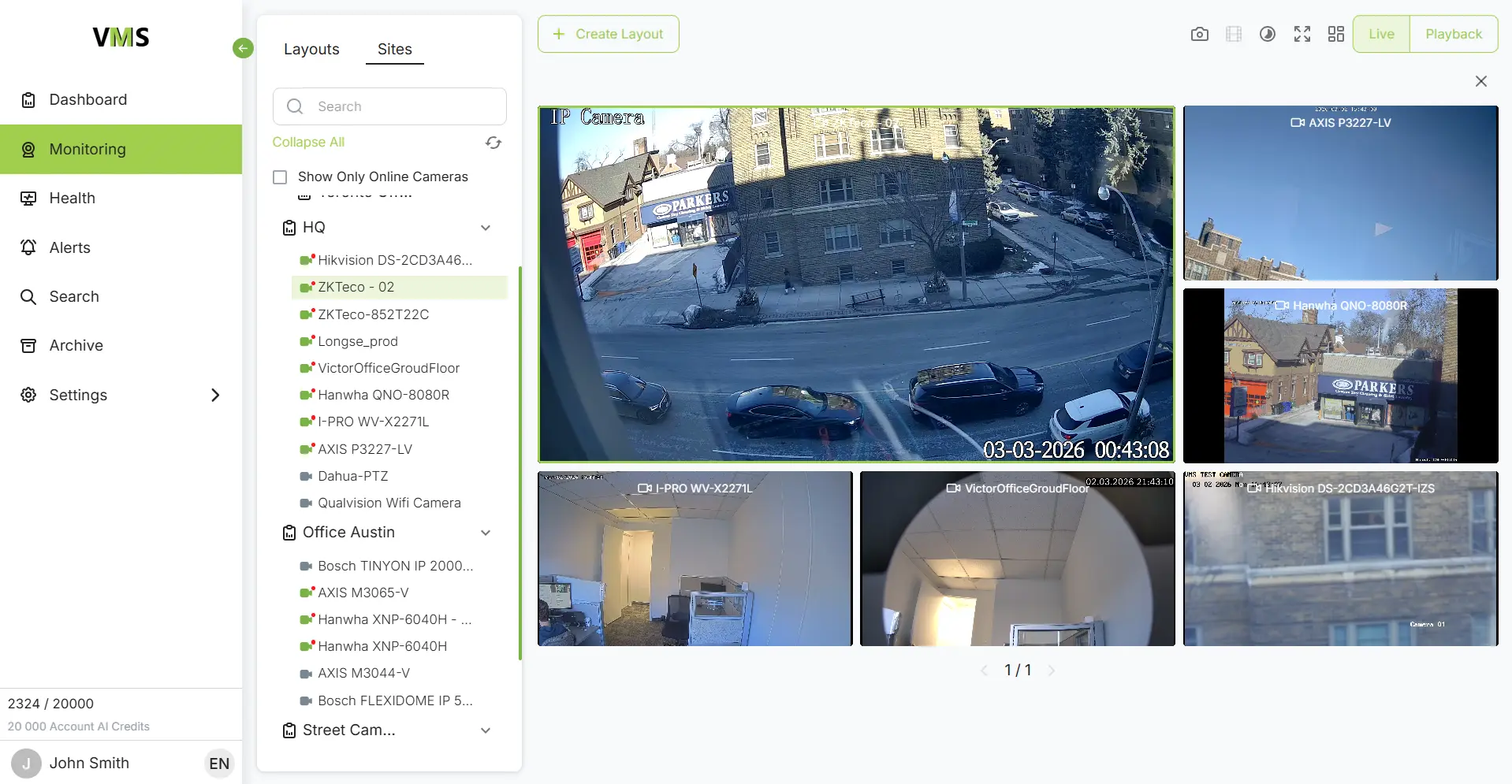
Connect 360 Vision Technology cameras to VXG Cloud VMS with GenAI for free

Learn more

FAQs

If the camera is not reachable at the default address, ensure it is powered and connected by ethernet or Wi-Fi. Make sure your computer is on the same network range. You may need to set your computer’s IP manually to match the network range temporarily.
Yes, after logging in for the first time you should change both the username and password in the camera’s settings to help protect it from unauthorized access.
The most common port for streaming video using the RTSP protocol is 554, but check your camera’s manual or settings because this can vary by model.
Most models have a small reset button on the device. Press and hold it for the number of seconds specified in the manual to reset settings including IP, username, and password back to defaults.
Using default credentials is not secure. Change them immediately after setup to reduce the risk of unauthorized access.
Remote access requires proper network forwarding or a cloud service setup. Your router must forward the appropriate ports and your internet connection must allow external connections to your local network.
Yes. Use strong unique credentials, update firmware, disable unused services, and place the camera behind secure networks to protect it.

Follow us on

VXG Cloud Video Management System

Cloud VMS with GenAI

for Security, VSaaS, VMS,
Telecom

  • Cloud storage
  • Generative AI
  • Fully scalable
  • White-label
Get demo