CCTV: Meaning, CCTV Camera, Popular Brands
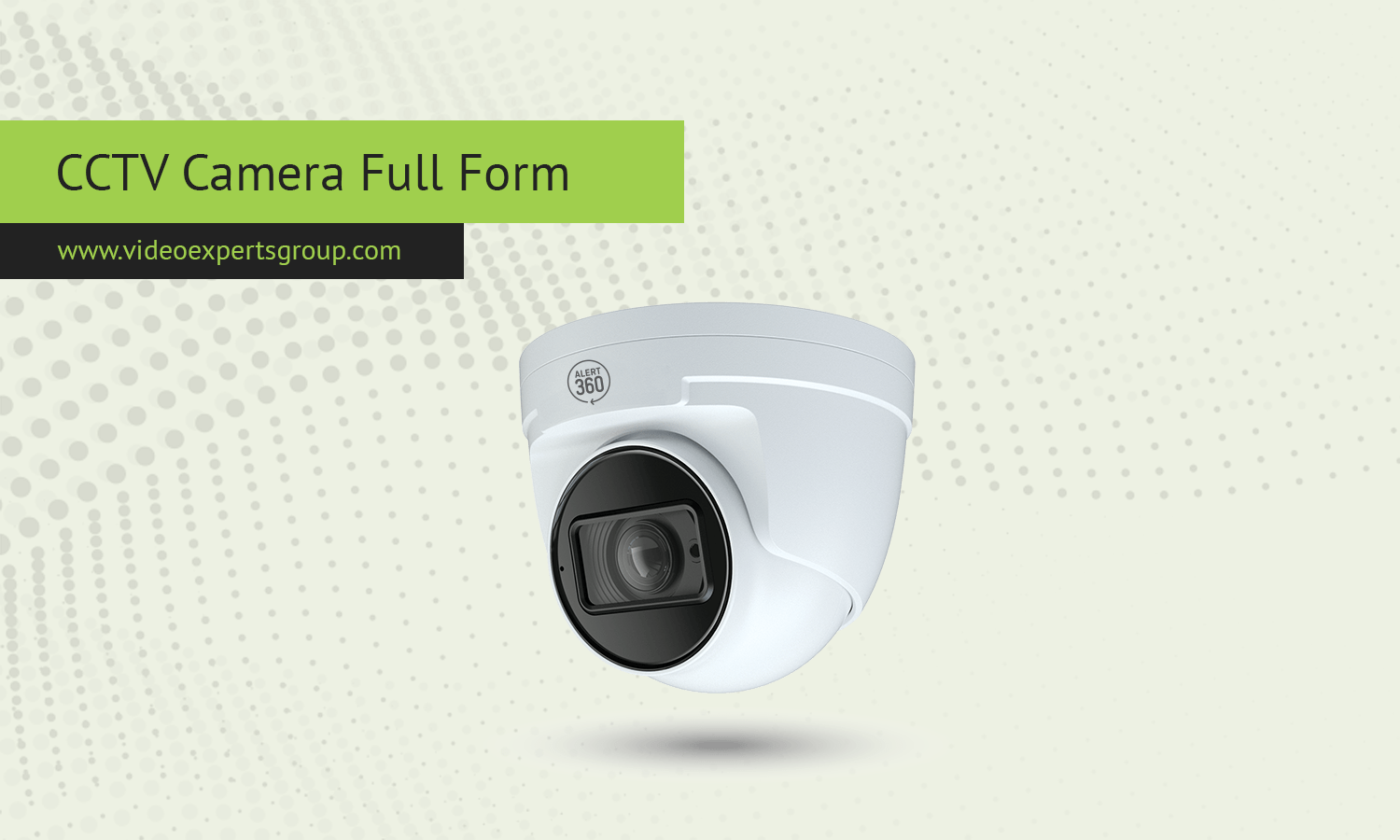
Closed-circuit television, commonly known as CCTV, has become a familiar part of daily life. From small shops and apartment buildings to airports and city streets, CCTV cameras quietly monitor spaces to improve safety, control access, and record events. While many people recognize the cameras themselves, fewer understand what CCTV really means, how the system works behind the scenes, and why different camera types exist. This article explains the CCTV full form, its meaning, working principle, and the main types of CCTV cameras used today.
Meaning
The CCTV is Closed-Circuit Television. The term "closed-circuit" refers to the fact that the video signal is transmitted to a limited and specific set of monitors or recording devices, rather than being broadcast publicly like traditional television.
In simple terms, CCTV is a video surveillance system that uses cameras to capture live footage of a location and sends that footage to screens, recorders, or network storage for monitoring and review. Unlike open television broadcasts, CCTV systems are designed for private or controlled use, making them suitable for security, observation, and evidence collection.
CCTV systems can operate continuously or only when triggered by motion or specific events. They may record footage locally on a digital video recorder or network video recorder, or store it remotely using secure servers. Over time, CCTV has evolved from basic black-and-white cameras into advanced systems with high-definition video, night vision, audio recording, and intelligent analytics.
What Is CCTV Used For?
CCTV is primarily used for security and monitoring, but its role extends far beyond crime prevention. Common uses include monitoring entrances and exits, supervising staff and operations, managing traffic, documenting incidents, and enhancing personal safety in homes and public areas.
Modern CCTV systems are also used for process control in factories, crowd management in large venues, and compliance monitoring in regulated industries. The goal is not only to deter unwanted behavior but also to provide accurate visual records when events need to be reviewed.
How CCTV Works
A CCTV system works by capturing video through cameras and transmitting that video to a designated viewing or recording system. While the technology can vary, the basic workflow remains similar across most installations.
First, a CCTV camera captures visual data using an image sensor. This sensor converts light into an electronic signal. Depending on the camera type, the signal may be analog or digital.
Next, the video signal is transmitted. In traditional systems, analog signals travel through coaxial cables to a digital video recorder, where they are converted into digital format and stored. In modern IP-based systems, cameras process video digitally and send it over an Ethernet network to a network video recorder or server.
The recorded footage is then stored for a defined period, which may range from a few days to several months, depending on storage capacity and settings. Users can view live video in real time or play back recorded footage through monitors, computers, or mobile devices.
Many CCTV systems also include additional features such as motion detection, alerts, infrared illumination for low-light conditions, and remote access. These features allow users to respond quickly to unusual activity and manage security even when they are not physically present.
What Are the Types of CCTV Cameras?
CCTV cameras come in various forms, designed for different environments and security needs. Below are the most common types of CCTV cameras:
- Dome Cameras: These are typically used indoors, with a dome-shaped casing that hides the direction the camera is pointing. They are ideal for 360-degree surveillance.
- Bullet Cameras: Named for their cylindrical shape, bullet cameras are often used for long-distance viewing and are suitable for outdoor surveillance due to their weather-resistant housing.
- Turret Cameras: These cameras have a ball-and-socket design, offering flexibility in positioning. They are popular in both indoor and outdoor environments and are also known for night-vision capabilities.
- Pan-Tilt-Zoom (PTZ) Cameras: PTZ cameras allow users to remotely control the pan (horizontal movement), tilt (vertical movement), and zoom, making them ideal for large areas that need comprehensive surveillance.
- Fisheye Cameras: Fisheye cameras provide a wide-angle, 360-degree view of a room or area, making them useful for monitoring large, open spaces.
- Infrared/Night Vision Cameras: These cameras are equipped with infrared LEDs that allow them to capture footage in low-light or complete darkness. They are commonly used for outdoor night-time surveillance.
- Network/IP Cameras: These cameras transmit data over a network (typically via Ethernet), allowing for high-resolution video and remote access. They are more flexible than analog systems and are a common choice for modern CCTV systems.
- Wireless Cameras: Wireless cameras transmit their video signal wirelessly to a receiver, making them easier to install than wired systems. However, they may require batteries and can be susceptible to interference.
Popular CCTV Camera Brands
Several reputable brands specialize in CCTV cameras, offering a variety of models for both home and business use. Here are some of the leading names in the industry:
- Hikvision: One of the largest CCTV manufacturers in the world, Hikvision offers a wide range of affordable cameras with advanced features such as AI-based analytics and high-resolution imaging.
- Dahua: Similar to Hikvision, Dahua is known for producing high-quality, reliable CCTV cameras and systems. Their products are widely used in commercial and industrial applications.
- Axis Communications: Axis specializes in network/IP cameras and is known for innovation in surveillance technology, providing high-definition cameras suitable for professional-grade security systems.
- Bosch Security Systems: Bosch offers high-performance cameras with features like video analytics, weather-resistant designs, and excellent low-light performance. They are widely used in public infrastructure projects.
- Sony: Sony's CCTV cameras are recognized for their superior image quality, especially in low-light conditions. They are often used in settings where high-resolution footage is critical.
- Lorex: Lorex specializes in consumer-grade surveillance systems and offers affordable, easy-to-install cameras for homeowners and small businesses. They offer wireless and wired models.
- Nest: Known for smart home integration, Nest (now part of Google) offers wireless CCTV cameras that integrate seamlessly with other smart home devices. They are ideal for residential use.
- Swann: Swann provides DIY security camera solutions for homes and small businesses. Their systems are easy to set up and come with user-friendly apps for remote monitoring.
These cameras are designed to capture clear images in low-light or complete darkness using infrared LEDs. They are essential for outdoor surveillance and locations that require 24-hour monitoring.
FAQs
